33 Shocking Global and National Food Waste Statistics (2025)

Astonishingly, countries around the world contribute to approximately 931 million tons of food waste each year, with households accounting for 61% of it. These alarming food waste statistics reflect a growing challenge with environmental, economic and social costs.
Food waste occurs from production to consumption and substantially impacts our planet and communities.
Understanding what contributes to food waste helps us take practical steps to reduce it at home. By examining how it happens both in the U.S. and globally, we can find small, realistic ways to make a difference.
Food waste statistics in the U.S.
Despite food production and distribution advancements, food waste remains a significant issue in the United States. Here’s a closer look at food waste statistics in the U.S.
- It’s estimated that Americans waste between 30-40% of their food each year. (U.S. FDA)
- In 2023, food waste cost American consumers nearly $338 billion. (ReFED)
- Food loss in the U.S. accounted for 16.2 trillion gallons of water used in 2023, which is equivalent to every American showering seven times a day for a year. (ReFED)
- In 2024, 7 million tons of food from national retailers went unsold. (Pacific Coast Collaborative)
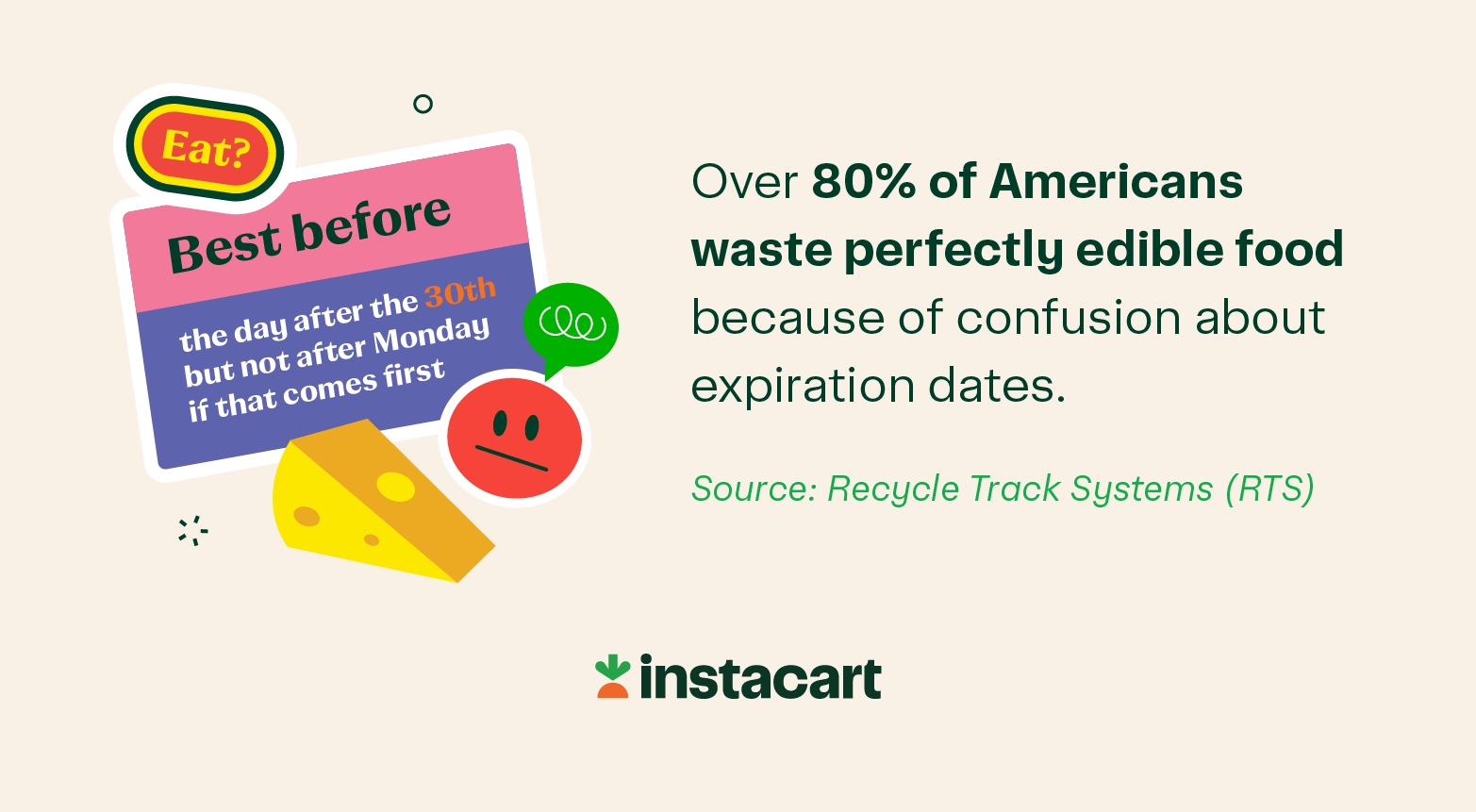
- Over 80% of Americans waste perfectly edible food because of confusion about expiration dates. (Recycle Track Systems)
- Nearly one in seven (18 million) American households face food insecurity, yet millions of pounds of food are wasted each year. (USDA)
- Food waste in U.S. restaurants and foodservice businesses amounts to over 17 million tons annually. (ReFed)
- U.S. grocery stores waste about 30 percent of food yearly. (Recycle Track Systems)
- Approximately 16% of total food waste in the U.S. occurs on farms. (NCLS)
- Each year, the average American family of four loses $3,000 to uneaten food. (U.S. EPA)
Global food waste statistics
Food waste is an ongoing issue worldwide, affecting countries at all levels of development. Understanding food waste distribution across different regions and countries is necessary to address this global challenge. Let’s review how food waste impacts communities worldwide.
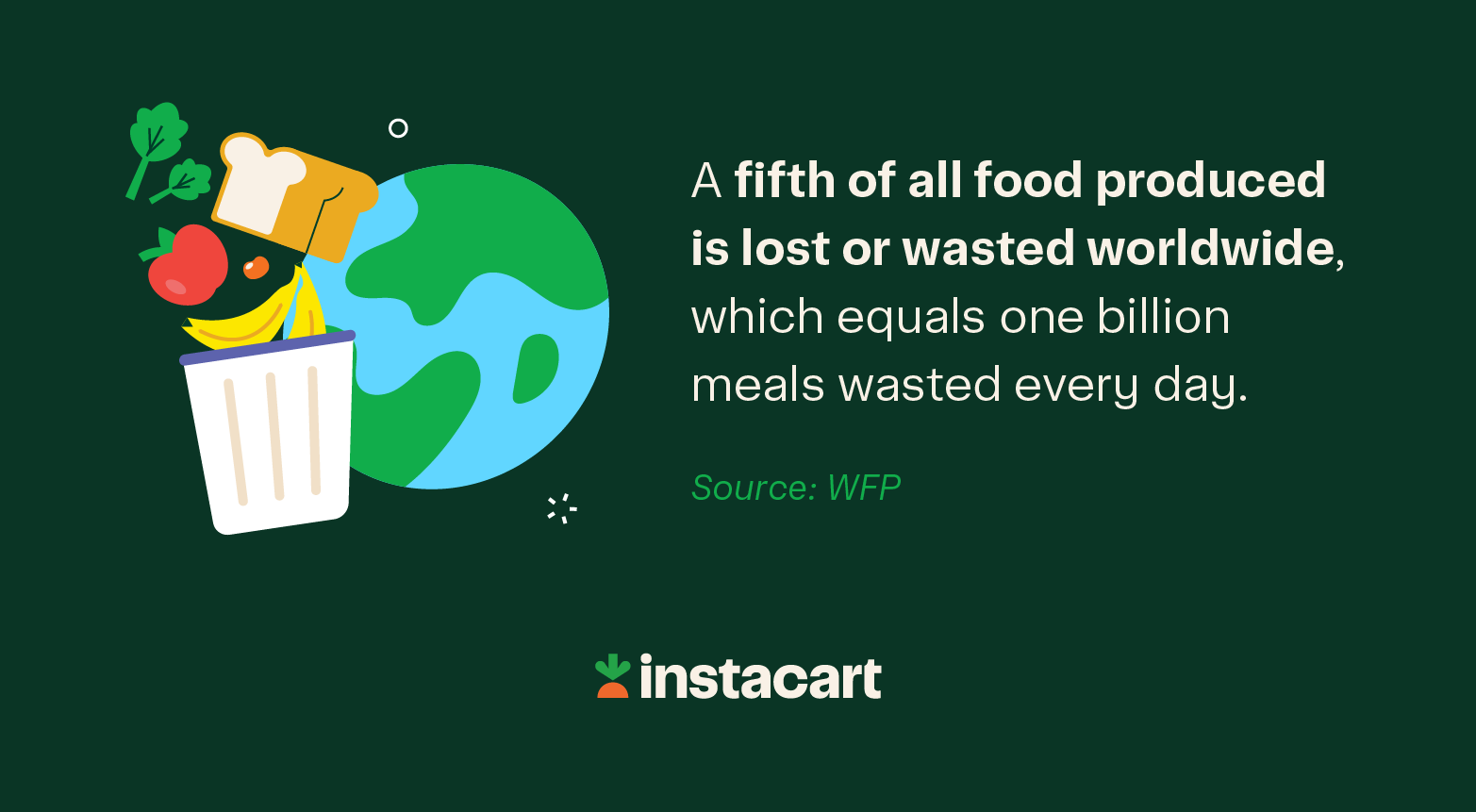
- A fifth of all food produced is lost or wasted worldwide, which equals 1 billion meals wasted every day. (WFP)
- Households waste enough edible food each day to provide 1.3 meals for every person living with hunger worldwide. (UN)
- Households, food service and retail account for 19% of the total global food waste. (UN)
- People waste about the same amount of food per person, no matter their income level. (UN Environment Programme)
- Over 13% of food produced globally is lost between harvest and retail. (UN)
Environmental food waste statistics
Food waste has a significant and detrimental impact on the environment. It contributes to climate change by releasing greenhouse gases and worsens water scarcity due to the resources needed for food production. Here’s an overview of how food waste affects the environment.
- Food waste produces nearly 10% of global greenhouse gases. (United Nations Environment Programme)
- About 1.4 billion hectares of land, or roughly one-third of global agricultural land, are used to grow food that is ultimately wasted. (Geneva Environment Network)
- Food waste accounts for nearly one-quarter of solid waste found in landfills. (Royal Society of Chemistry)
- When food waste decomposes in landfills under anaerobic conditions, it produces methane, a powerful greenhouse gas. One pound of food waste produces nearly four pounds of methane. (EPA)
- Food waste in landfills can contaminate groundwater by leaching nutrients and contaminants, which pollute water sources. (EPA)
- Hotter countries often experience higher food waste due to difficulties in preserving, preparing and distributing food. (WFP)
- Hotter climates tend to generate more food waste — both at home and after harvest — where high temperatures affect storing, processing, and transporting food. (UN Environment Programme)
- Globally, food waste is responsible for five times the greenhouse gas emissions of aviation. (Waste and Resources Action Programme)
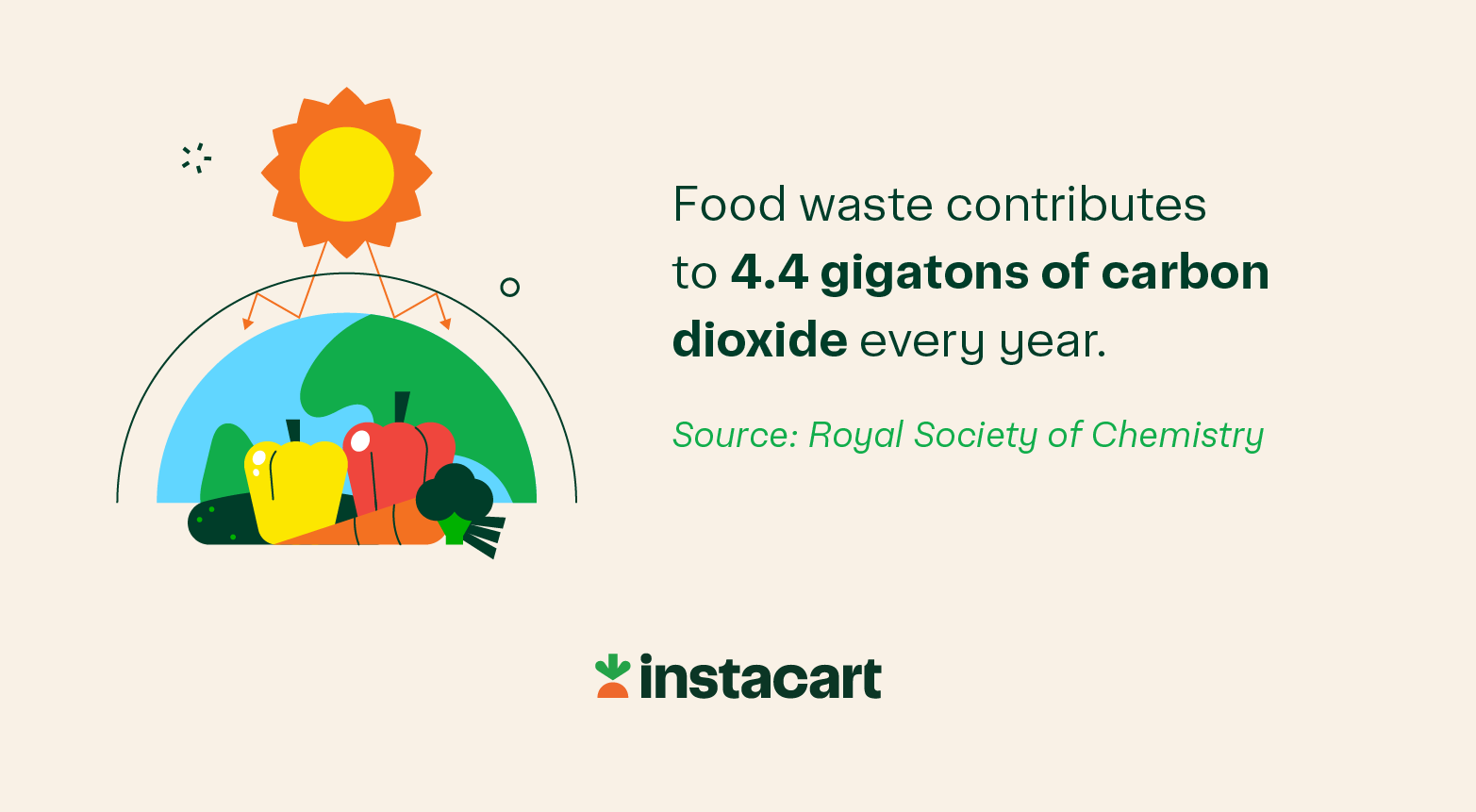
- Food waste contributes to 4.4 gigatons of carbon dioxide every year. (Royal Society of Chemistry)
Economic impact of food waste
Food waste substantially impacts the economy, affecting both businesses and consumers. Financial losses arise from wasted food, increased disposal costs and reduced revenue. The following statistics highlight the economic consequences of food waste.
- Food waste costs Americans $408 billion a year. (RTS)
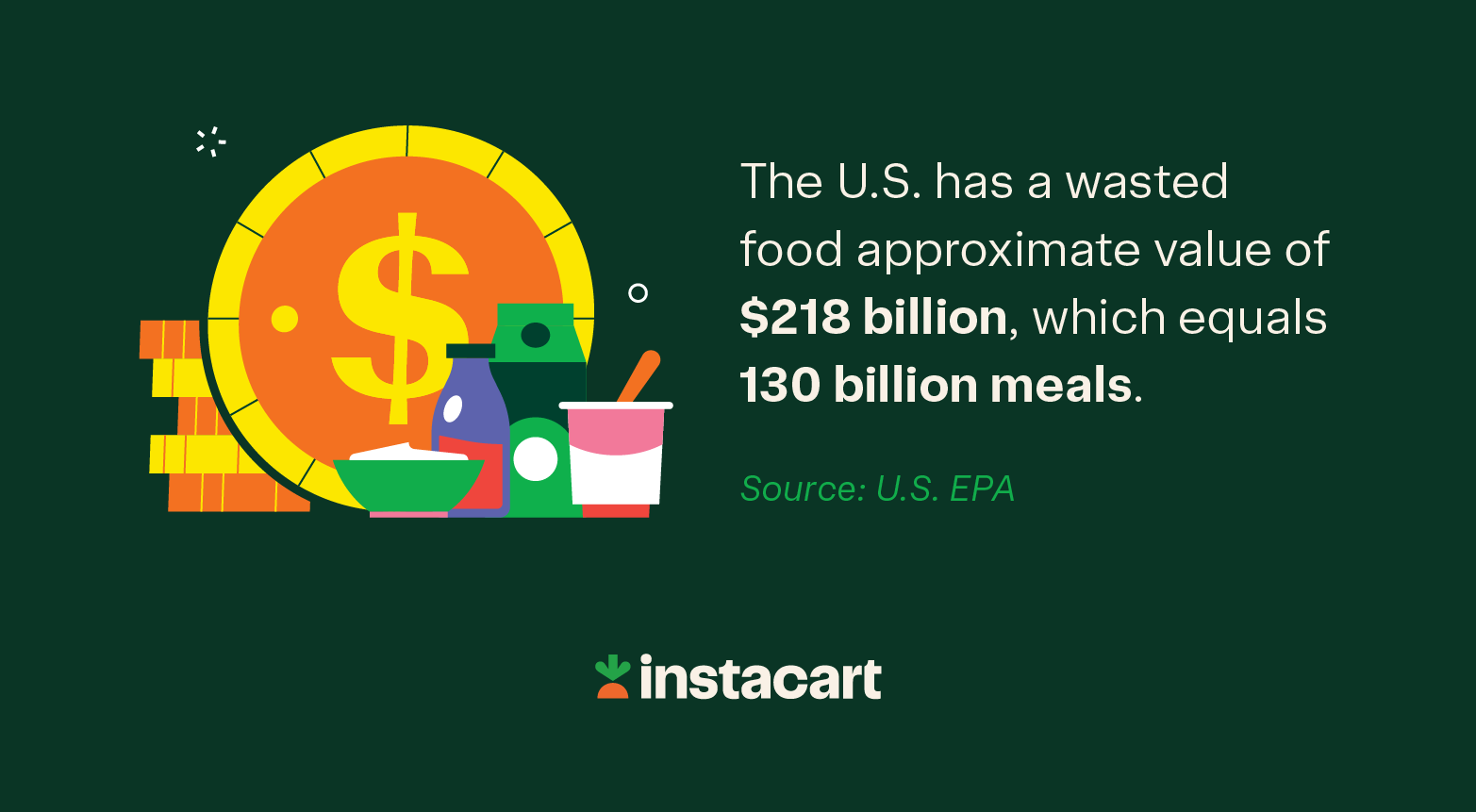
- In the U.S., food waste equates to about $218 billion per year. (U.S. EPA)
- The average American family of four throws away $1,600 worth of produce annually. (RTS)
- The total food waste and loss cost approximately $1 trillion for the global economy. (WFP)
- Reducing food waste can strengthen food security, boost economic efficiency and help to combat climate change. (U.S. EPA)
Social implications of food waste
Food waste has significant social implications, particularly concerning hunger, inequality and consumer behavior (such as overbuying and impulsive purchasing). The following statistics shed light on the social consequences of food waste.

- Americans frequently overestimate their food needs, leading to excessive purchases. (RTS)
- Many people underutilize leftovers and toss food scraps that could still be used. (RTS)
- The average American household throws away over six cups of food every week. (MITRE)
- While 87% of households admitted to wasting edible food weekly, only a third were aware that reducing food waste could save them about $1,500 per year. (MITRE)
How to reduce food waste
Ready to make a difference? Reducing food waste is easier than you might think. With a few simple changes, you can save money on groceries, protect the environment and support a more sustainable food system. Let's dive into some practical tips.
- Meal planning: List out the meals for the week and plan the exact ingredients you need to reduce food waste. You can always repurpose leftovers instead of wasting food.
- Smart shopping: Create a grocery shopping list to avoid buying items on impulse. You can also order your groceries online to minimize spontaneous purchases.
- Portion control: Use a serving size calculator to accurately determine how much food you and your family need. Buying an appropriate amount of food will reduce food waste.
- Proper storage: Store items at the ideal temperature and humidity to prolong their shelf life. Use airtight containers to prevent food from drying out, becoming contaminated or absorbing odors.
- Food labeling: Label perishable items with the date of purchase to track their freshness. Use the "first in, first out" (FIFO) method to ensure older items are consumed before newer ones.
- Composting: Composting organic waste reduces landfill waste, creates nutrient-rich soil and helps improve soil health. Set up a compost bin or pile, add a variety of organic materials and maintain suitable moisture and temperature levels.
- Freezing and preserving: Learn techniques like canning, freezing and dehydrating to preserve food and extend its shelf life. Properly freeze meals in airtight containers or bags to enjoy them later.
Grab it now on Instacart


Reduce food waste with Instacart
Now that you’re more familiar with food waste statistics, it’s time to take meaningful steps to minimize its negative effects. Reducing food waste can positively impact the environment and economy. Implementing strategies like meal planning, proper storage and composting can play a crucial role.
Ready to start reducing food waste in your community? Shop through Instacart to meal plan and reduce overbuying. You can get all the ingredients you need for the week and receive a sustainable grocery delivery. Together, we can work toward creating a more earth-friendly food system.

Mel Hull
Author
Mel is a seasoned content strategist and food writer with over a decade of experience helping brands tell compelling stories. Inspired by her hometown of Houston, TX, she brings her love of bold flavors and Southern hospitality to the table. In the kitchen, she loves baking (especially banana bread!) and experimenting with Tex-Mex dishes.

Heather Matley
Editor
Heather Matley is an editor at Instacart whose passion for food and cooking has inspired her work on everything from grocery guides to recipe development. With over eight years of experience in editing, content creation, and search engine optimization, she strives to empower readers with the most effective tools, guides, and ideas to transform their home cooking.

Instacart Recommends
View most recent posts →