84 Fun Food Facts

Ever wonder if what you thought was a fruit is actually a veggie, or if your favorite sweet treat has a wild origin story? Get ready to have your mind blown with these incredible food facts.
Whether you’re a trivia buff, a curious cook or just looking for a light read between grocery hauls, these quirky food facts will surprise and delight even the most seasoned snackers. There’s always something new to learn in the culinary world!
Fruit facts
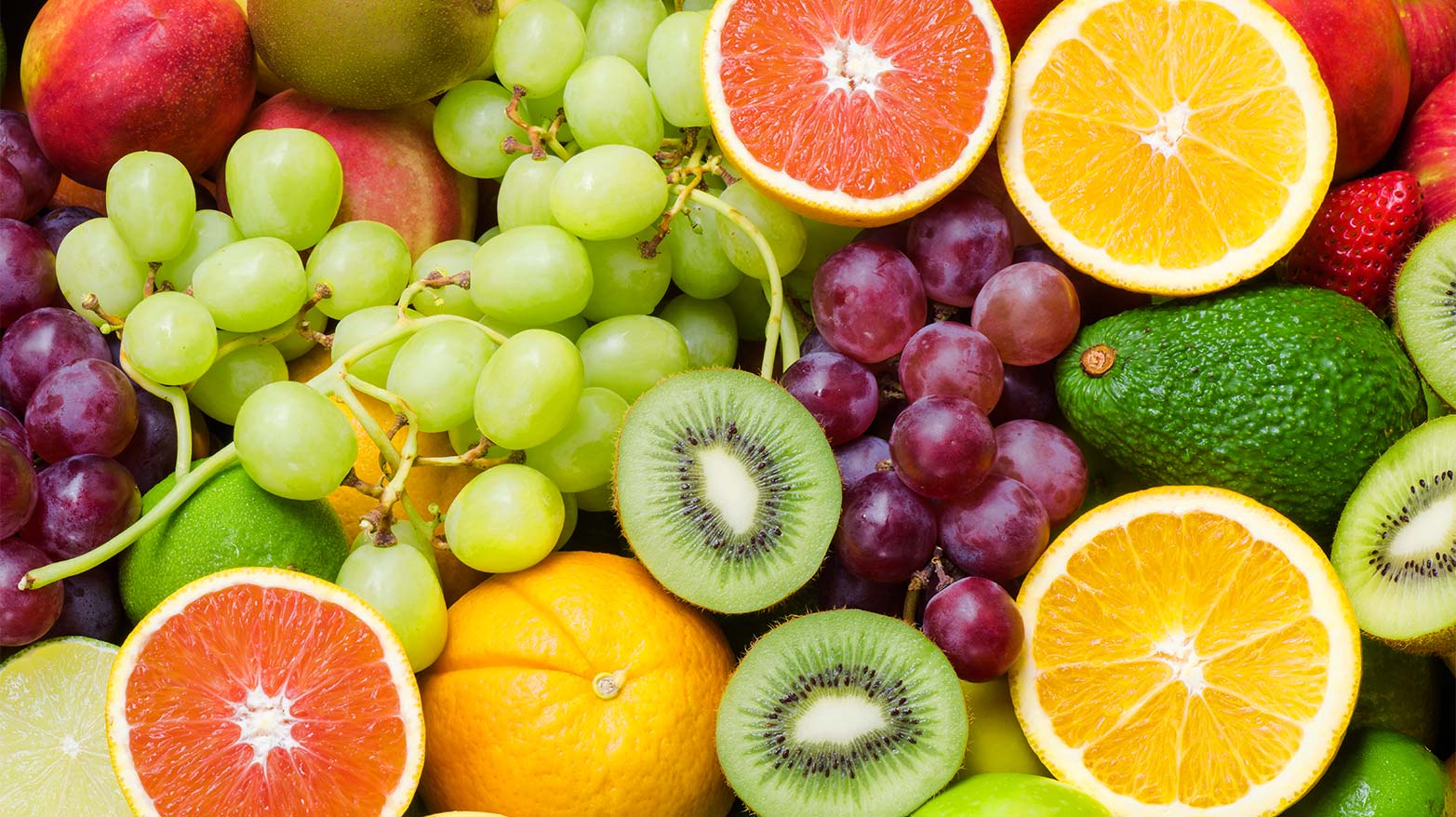
Get ready to peel back the layers and discover some astonishing truths that’ll make you look twice at your fruit bowl.
1. Bananas, pumpkins and lemons are berries
Botanically speaking, bananas, pumpkins and lemons meet all the criteria to be classified as berries: They develop from a single flower with one ovary, and they have a soft skin, fleshy middle and contain seeds. (The bananas we eat today have been specially bred over the years to be seedless.)
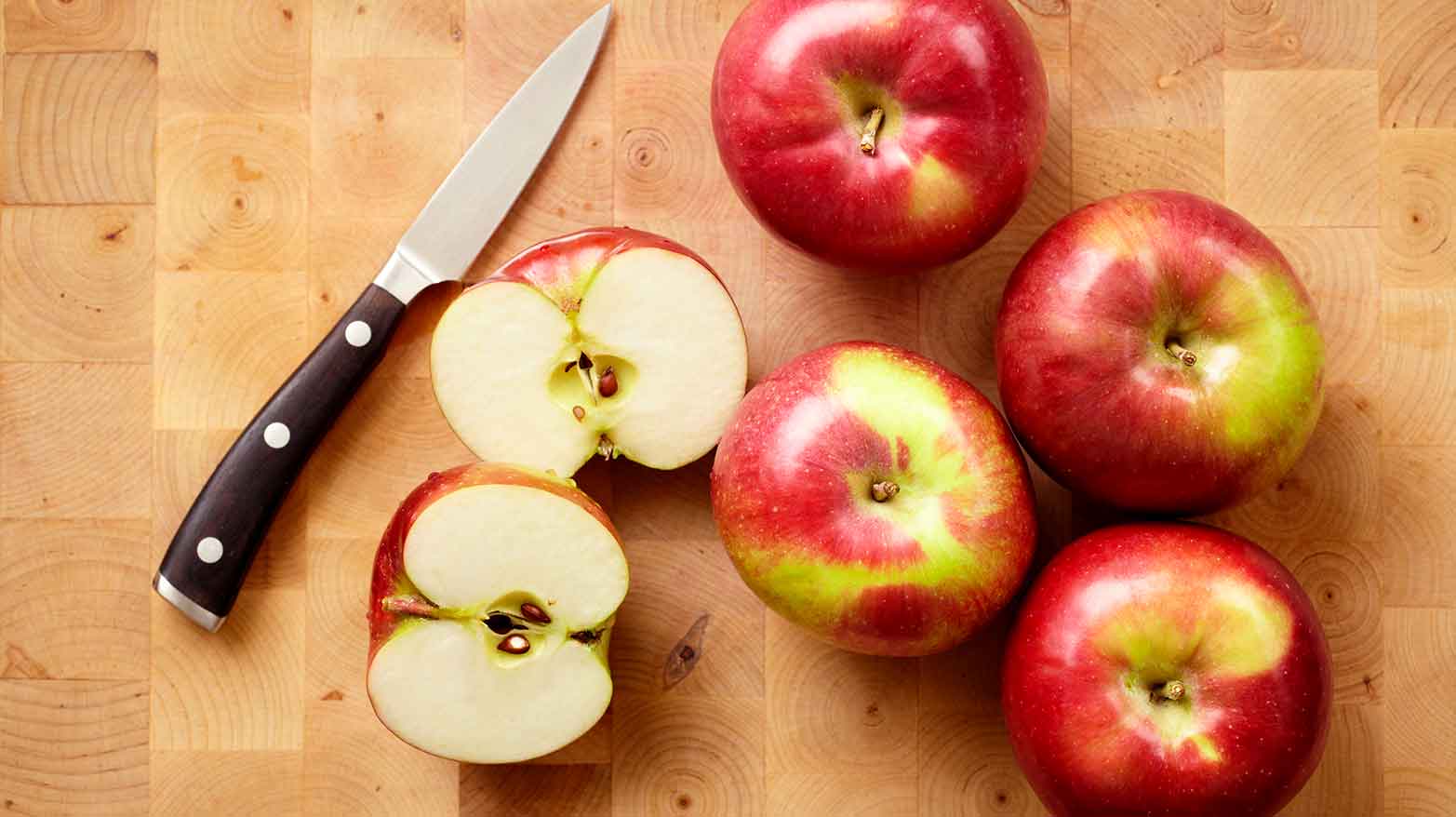
2. Apples can give you more energy than coffee
An apple a day might perk you up better than your morning cup of joe. Apples are high in natural sugars like fructose, which release slowly into your bloodstream and provide a steady stream of energy without the caffeine crash or jitters. The fiber can also help keep blood sugar levels stable.
3. Raspberries and strawberries aren’t actually berries
Despite their names, raspberries and strawberries are not true berries. In botanical terms, real berries stem from one flower with one ovary and contain seeds. Strawberries and raspberries form from a flower with multiple ovaries, technically making them “aggregate fruits” with each tiny external “seed” being a separate fruitlet. Another fun fact: Raspberries and strawberries are also members of the rose family.
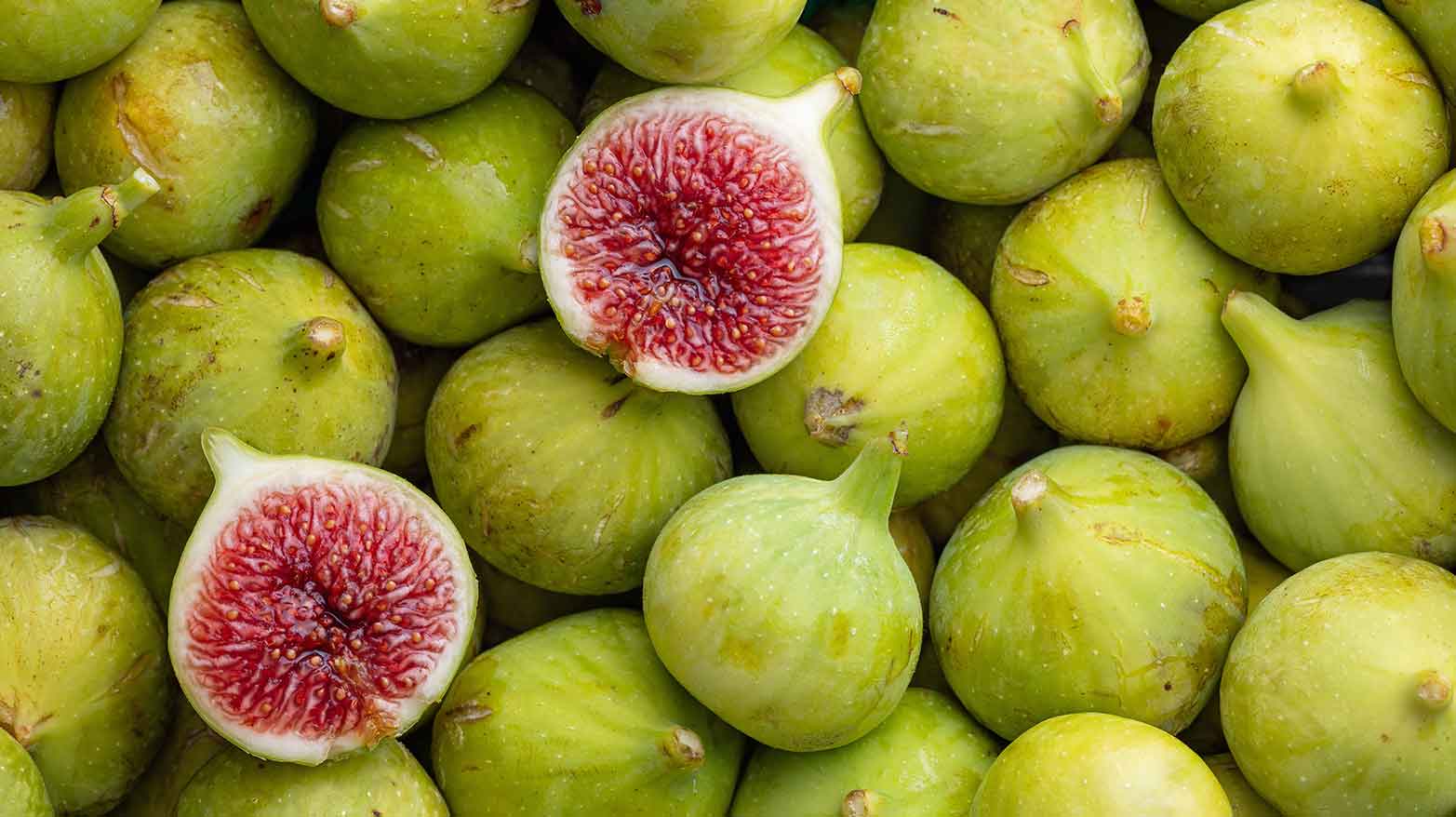
4. Figs aren’t fruits, they’re flowers
That sweet, chewy fig isn’t a fruit in the traditional sense. It’s actually an inverted flower. The fleshy part you eat is called a “syconium,” a special cluster of flowers blooming inside the fig's protective casing. These flowers later develop into the fig’s crunchy little seeds. Tiny wasps play a crucial role in pollinating them.
5. Cranberries are bouncy
You can tell if a cranberry is ripe by seeing if it bounces. This unique characteristic is due to four tiny air pockets inside the berry. During harvesting, ripe cranberries are often sorted by being bounced down a series of barriers called “bounce boards.” Only the bounciest (and therefore ripest) ones make it to the packing house.
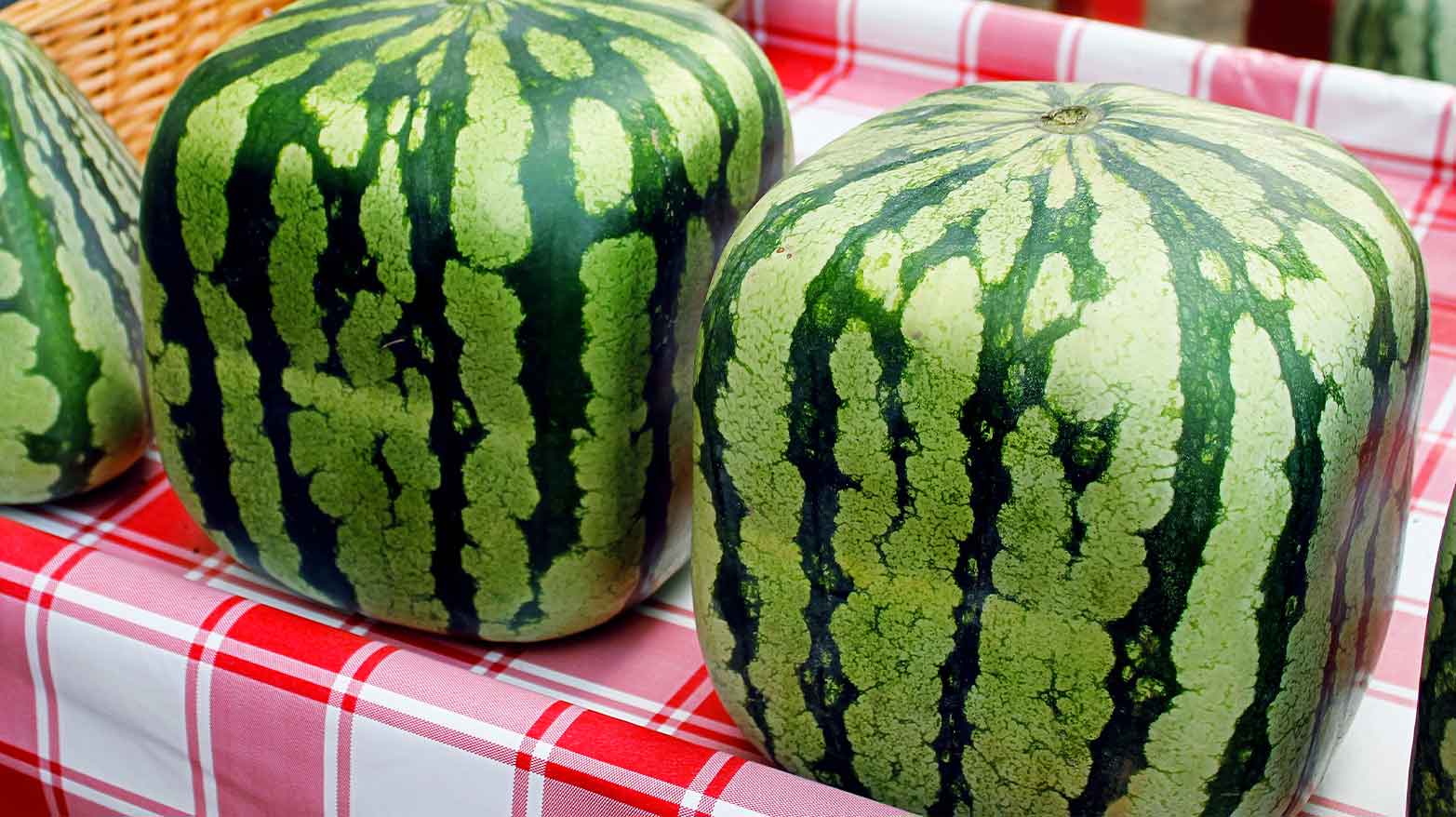
6. Japan grows square watermelons
In Japan, you can find watermelons that are perfectly square. They aren’t genetically modified but grown in special box-shaped molds that force the fruit to grow into perfect cubes. This practice started in the 1980s to make the melons easier to stack and store, though they’re often more expensive and primarily used for decorative purposes since they’re harvested before ripening.
7. Apples are 25% air
That crisp, satisfying crunch when you bite into an apple is due to the air content. Apples are made up of about 25% air by volume, which also explains why they float in water. Air also helps them stay fresh longer by preventing bruising during transport.
Grab it now on Instacart


8. A group of bananas is known as a “hand”
When you see bananas still attached to their stem, that cluster is called a “hand.” Each individual banana on that hand is referred to as a “finger.” A single banana plant can produce multiple hands, forming what’s known as a “bunch.”
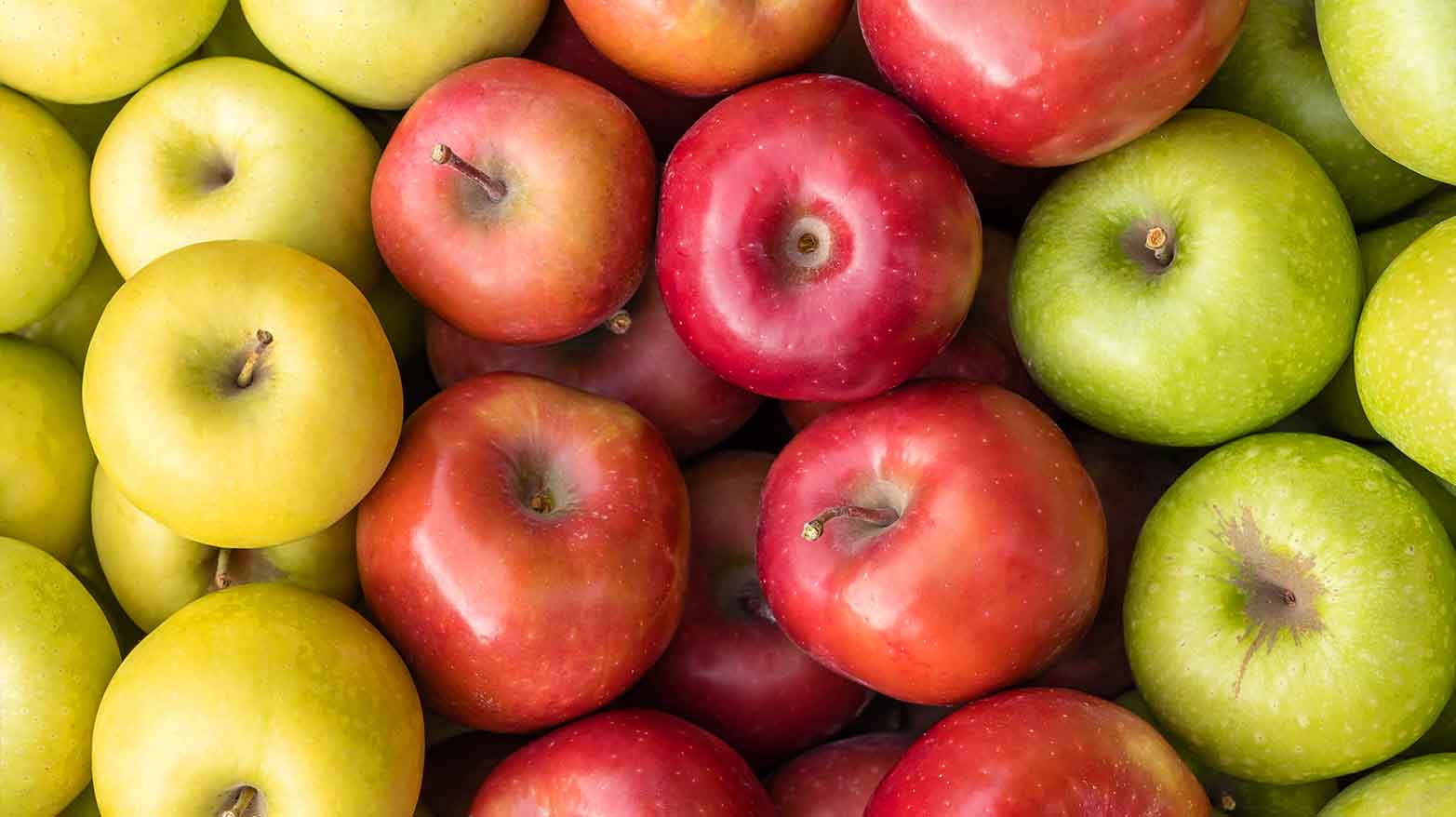
9. There are over 7,500 kinds of apples
From crisp Galas to tart Granny Smiths, the world of apples is incredibly diverse. There are over 7,500 known varieties of apples grown worldwide, each with its own unique flavor, texture and ideal use. Around 2,500 are grown in the United States.
10. One apple tree can grow up to 400 apples per year
A single mature apple tree can yield between 300 and 400 apples a year, depending on its variety and growing conditions. That’s an awful lot of pies, snacks and cider! This impressive output highlights why apple orchards are such a vital part of global agriculture.
11. Oranges can be green
The oranges you see in stores today are typically bright orange, but did you know that oranges, especially in warmer tropical climates like Vietnam and Thailand, often start out green and can remain green even when fully ripe? This is due to higher temperatures preventing chlorophyll breakdown. The orange color is often a result of colder temperatures or ethylene gas treatment for artificial ripening during shipping.
12. Bananas are slightly radioactive
Bananas contain potassium-40, a naturally occurring radioactive isotope. Don’t worry, though: The amount is so minuscule that it poses no health risk whatsoever. In fact, many common foods contain trace amounts of naturally occurring radioactive elements. The radioactivity in a banana is so low that you'd need to eat tens of thousands in a single sitting to experience any adverse effects.
13. There are over 1,000 kinds of watermelons
While the classic red-fleshed watermelon is a summer staple, there are over 1,000 different watermelon varieties grown around the world in various sizes, shapes, colors and sweetness levels. Some have yellow or orange flesh, others have striped or speckled rinds and a few are even seedless.
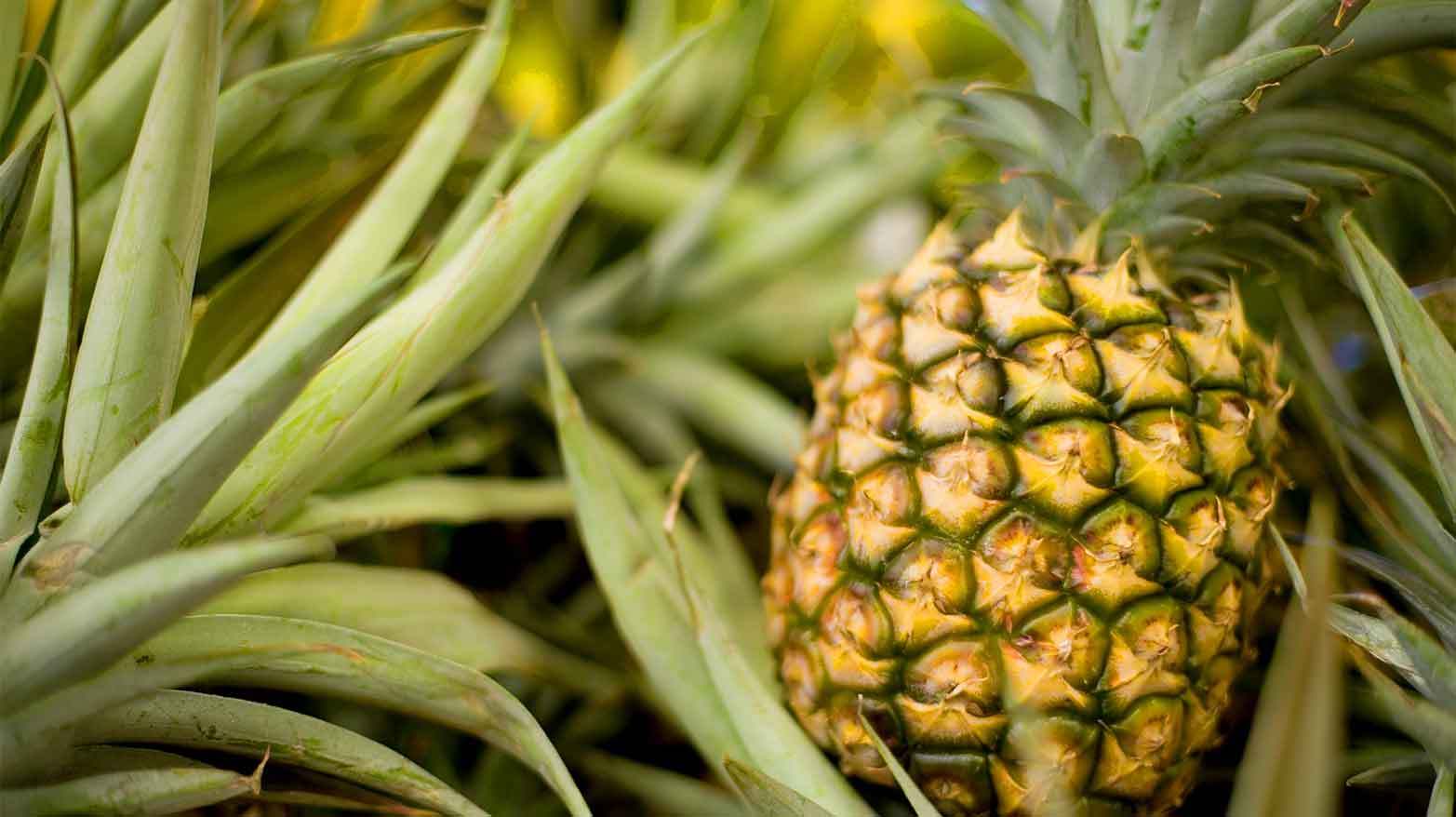
14. It takes years to grow a pineapple
Growing a pineapple requires patience. It can take anywhere from 18 to 24 months for a single pineapple plant to produce its first fruit. After harvest, it can take another 12 months for a second fruit to grow. This long growing cycle contributes to their cost and makes them a true labor of love for farmers.
15. Cherries can help you sleep
Looking for a natural way to drift off to dreamland? Try reaching for some cherries. Cherries, especially tart varieties, are a natural source of melatonin, the hormone that helps regulate sleep-wake cycles. Drinking tart cherry juice or snacking on a few before bed may help improve sleep quality.
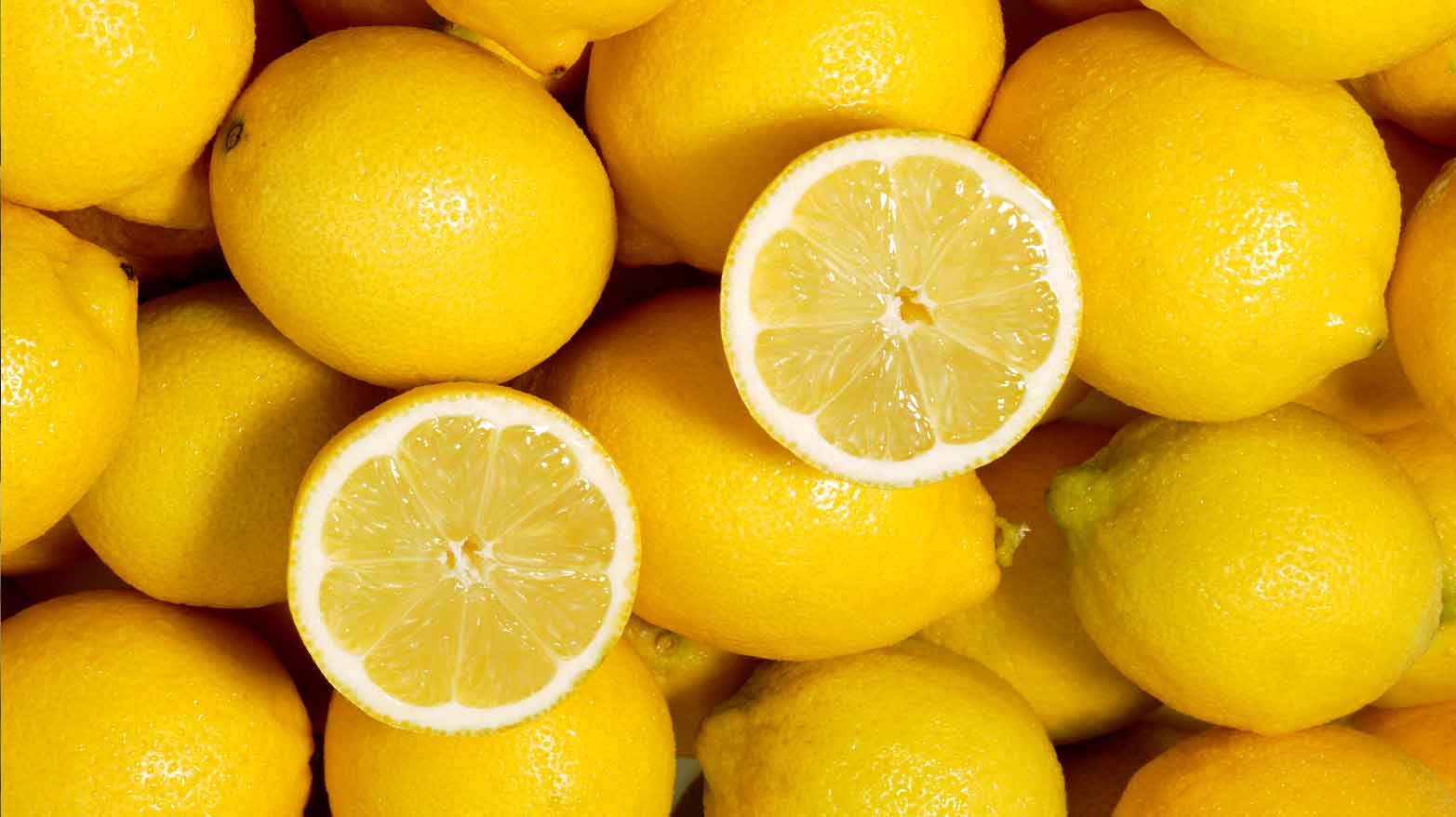
16. A lemon can power a lightbulb
Lemons can act as a mini battery. Thanks to their citric acid, lemons can conduct electricity when connected with copper and zinc. The acid in the lemon acts as an electrolyte, creating a chemical reaction that produces a small electrical current, enough to power a small LED light. This makes a fun science fair project!
17. Most grapefruits sold in stores are actually hybrids
Grapefruits are a natural hybrid of sweet oranges and pomelos that originated in Barbados. Most commercial varieties, like Ruby Red, have been selectively bred for sweetness and color. Naturally occurring pomelos (the grapefruit’s larger ancestor) can be quite bitter, and the initial grapefruits were also very tart.
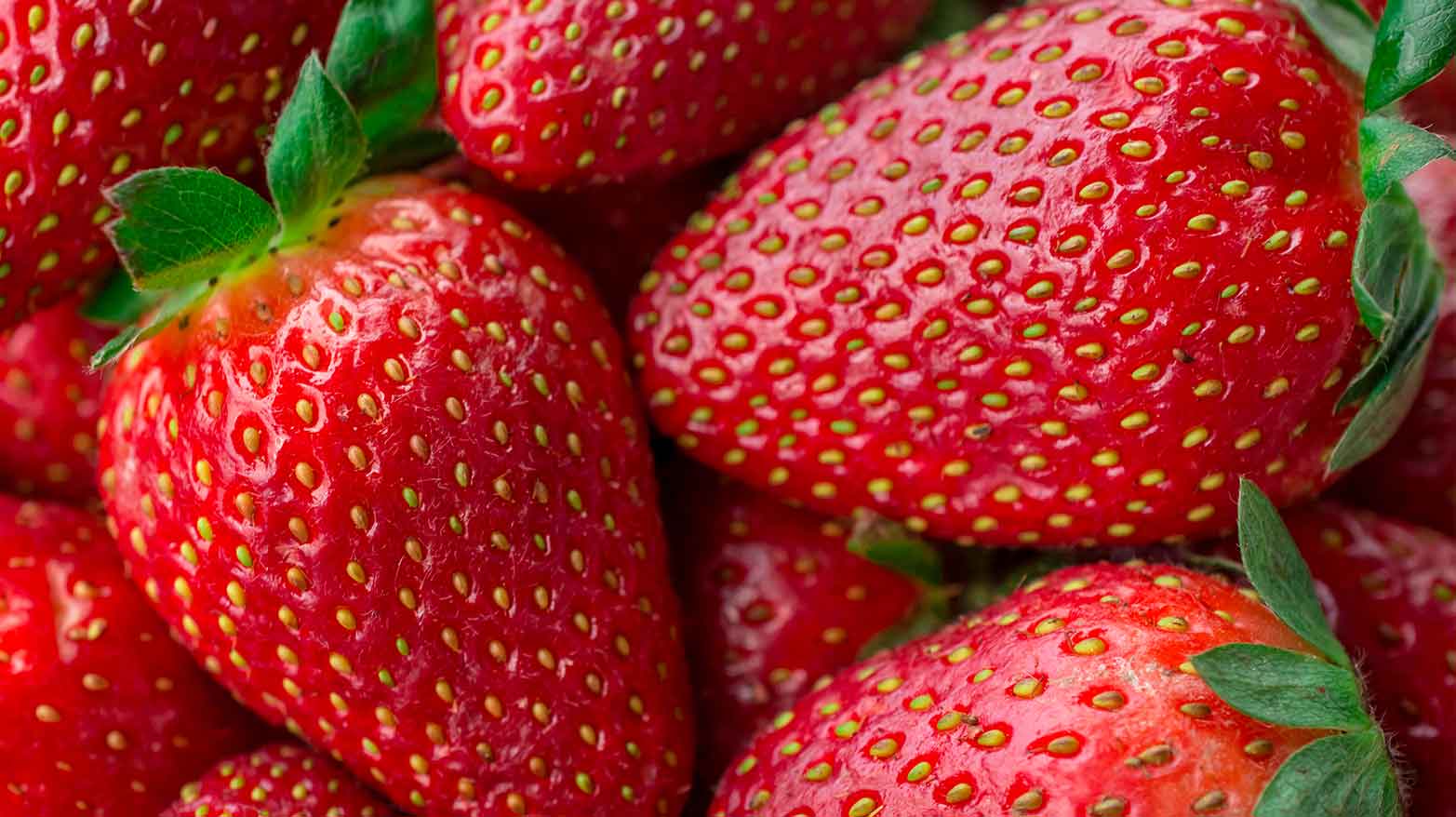
18. Strawberries are the only fruit with seeds on the outside
Unlike most fruits that protect their seeds on the inside, strawberries famously wear theirs on their sleeves — or rather, their skin. A single strawberry can have up to 200 seeds, and every one of them is on the outside. In fact, each tiny “seed” on the surface of a strawberry is technically an individual fruit called an achene, and the juicy red part you eat is just a container.
19. Avocados will ripen faster when placed next to a banana
Want to speed up the ripening process of your avocados? Place them in a paper bag with a banana. Bananas release ethylene gas, a natural plant hormone that triggers ripening in many fruits. When avocados are placed nearby, that gas speeds up their softening process. This little trick can help you enjoy perfectly ripe avocados in no time.
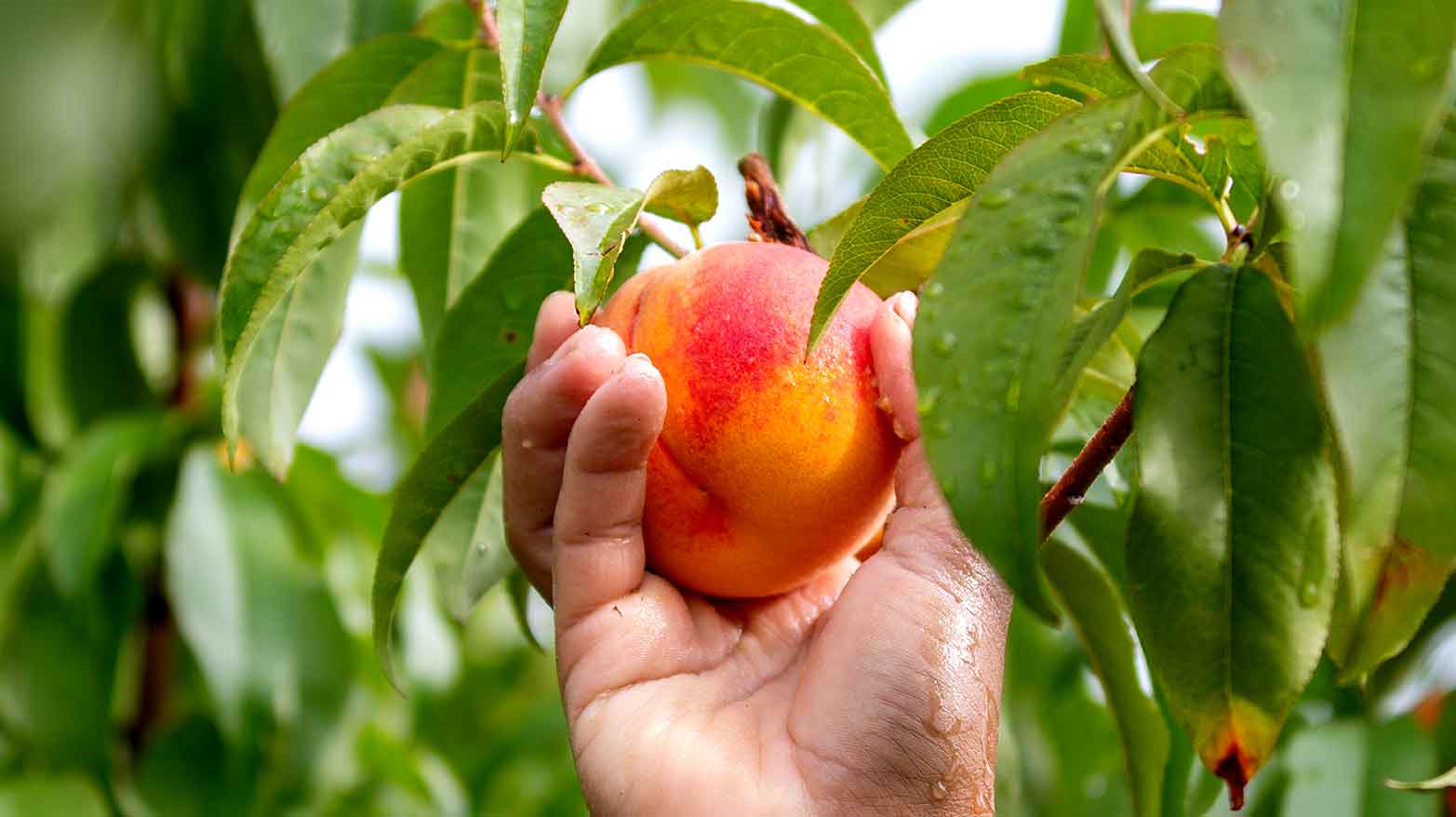
20. Different fruits can grow on the same tree
Through a horticultural technique called grafting, it’s possible to grow multiple fruits — like plums, peaches, apples, apricots and even nectarines — on a single tree. This is done by attaching a cutting from one fruit tree onto the rootstock of another, creating a "multi-grafted" or "fruit salad" tree. These trees are especially popular in Australia and make for an incredible backyard conversation piece.
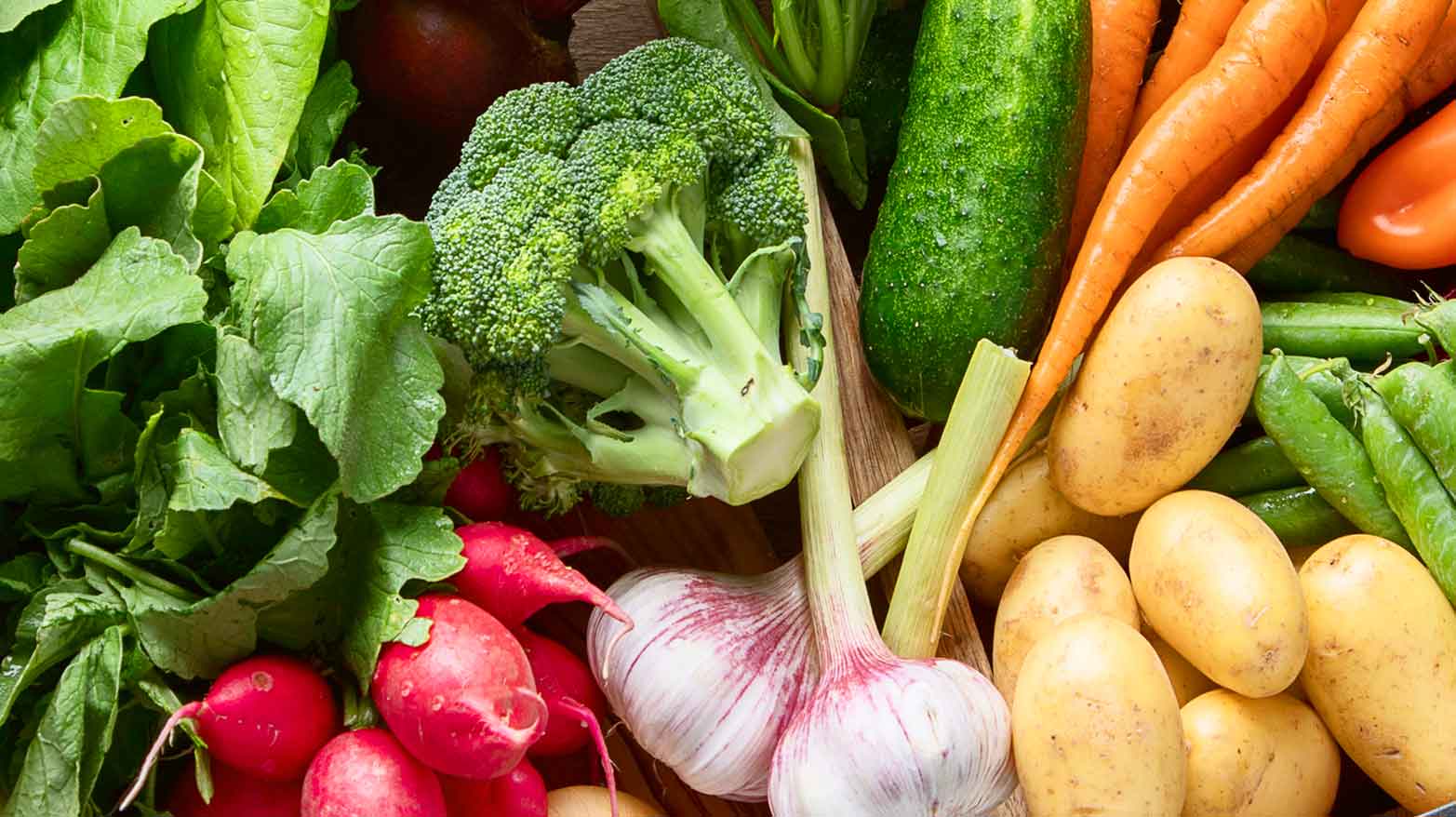
Veggie tales
Let’s dig in and unearth some astonishing facts about the plants you put on your plates.
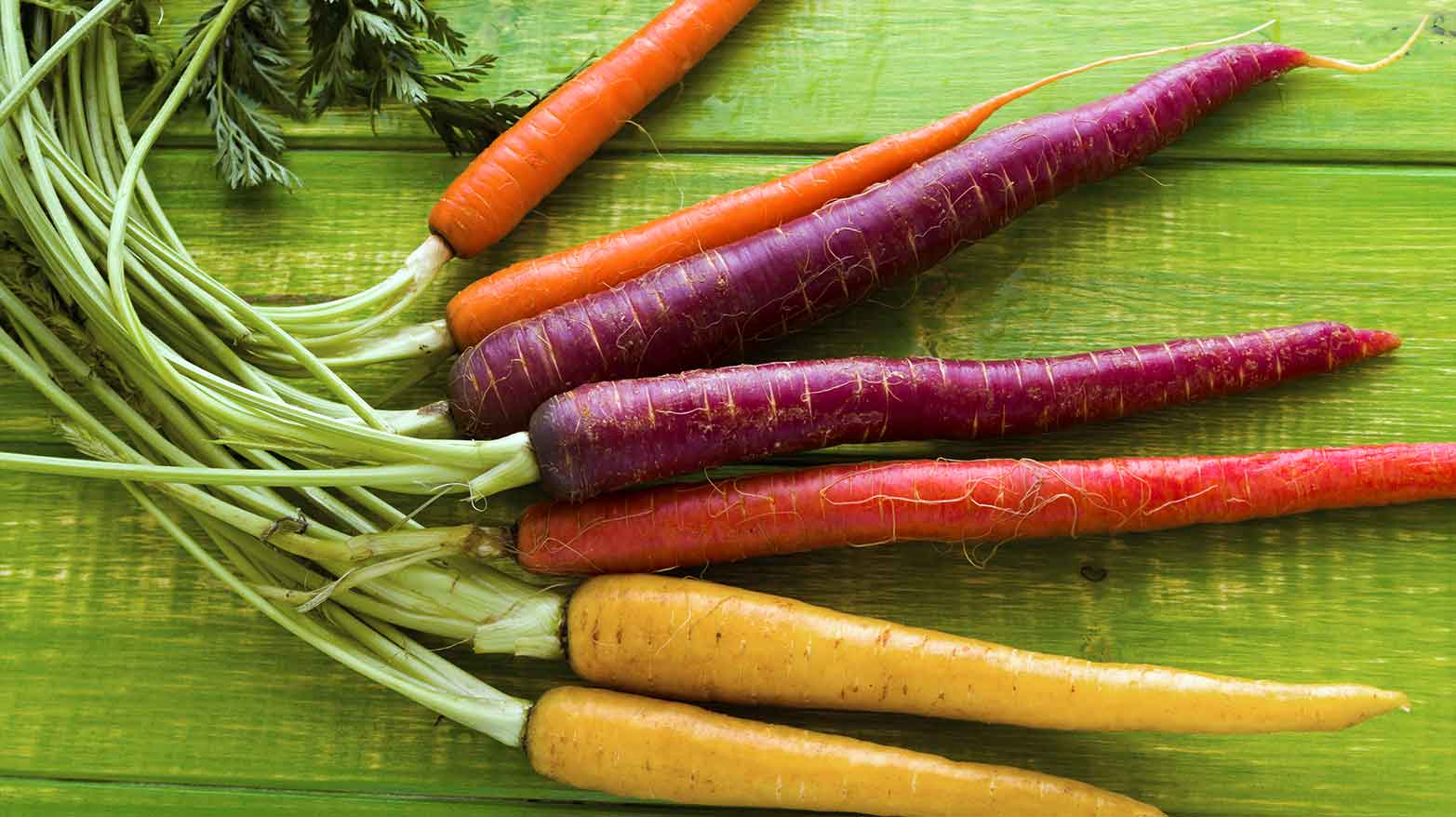
21. Carrots used to be purple and yellow
Before orange became the standard, carrots were commonly found in purple, white and yellow varieties. The orange carrot we know today was cultivated in the 17th century by Dutch farmers who selectively bred yellow carrots to honor the ruling House of Orange.
22. Gourds are used to make shower loofahs
That sponge in your shower might have started out as a dried gourd. Loofahs are made from the fibrous skeleton of the mature Luffa aegyptiaca gourd that, when fully ripened and dried, turns into natural sponges. They’ve been used for centuries as scrubbers for both cleaning and skincare.
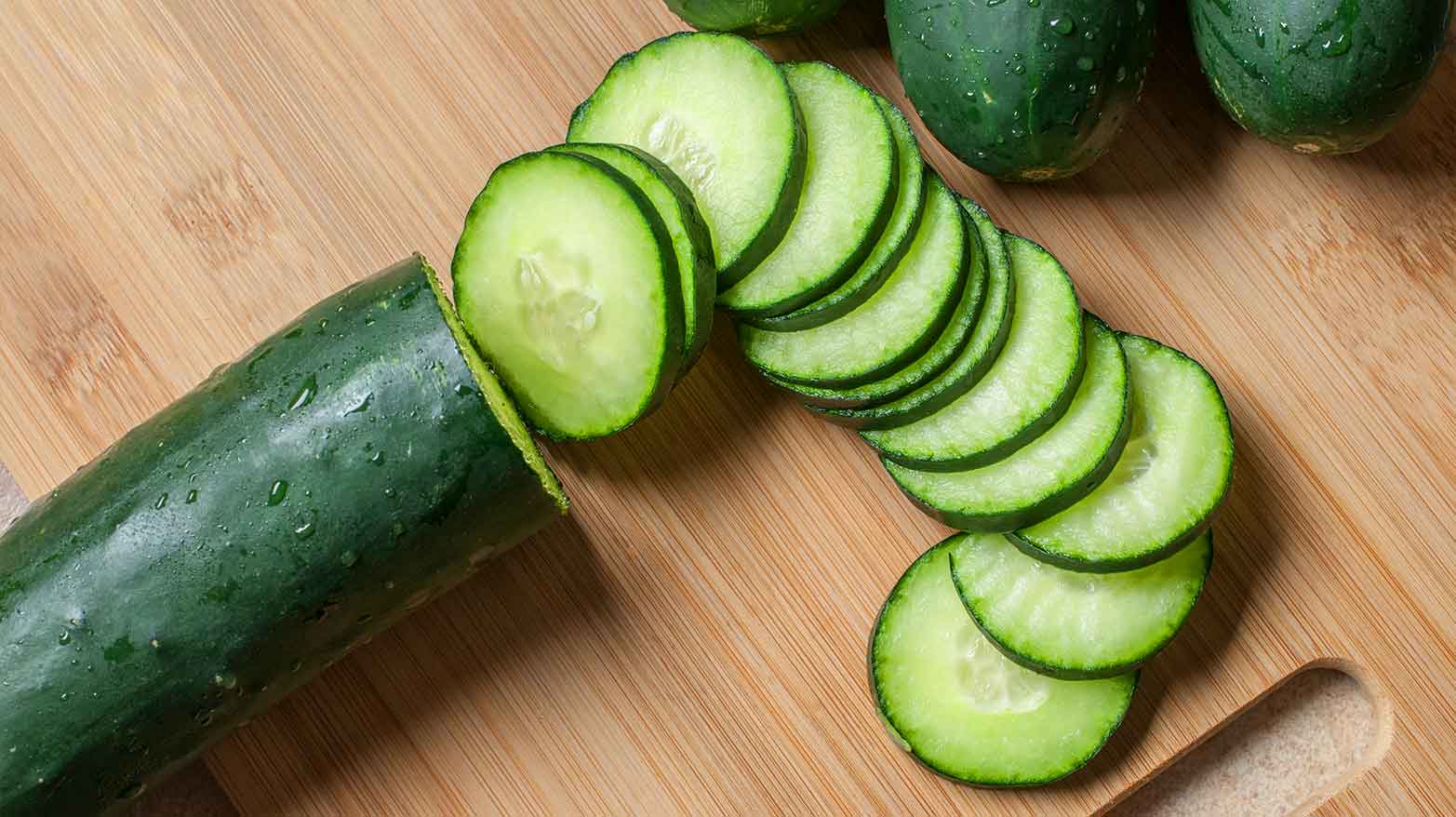
23. Cucumbers and potatoes are mostly made of water
Cucumbers are about 95% water, and potatoes consist of about 80% water. That makes them not just filling, but also surprisingly hydrating. This high water content contributes to their texture and nutritional value.
24. Lima beans can release cyanide
While typically safe to eat when properly cooked, raw lima beans contain linamarin, a compound that can turn into hydrogen cyanide when metabolized. It’s important to cook lima beans thoroughly to neutralize these compounds and ensure they’re safe for consumption. Cherry pits, peach pits and apple seeds also contain similar compounds.
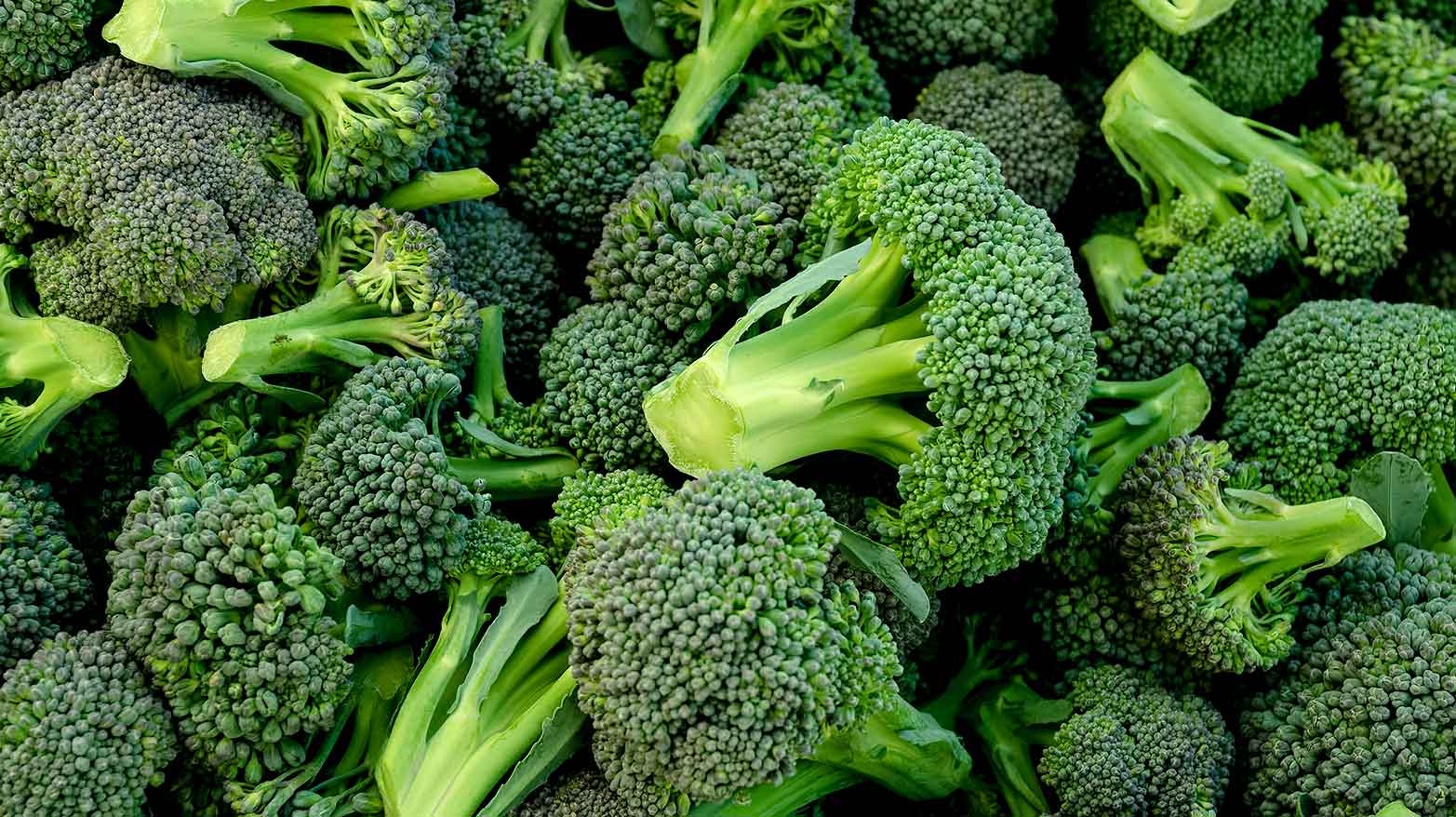
25. Broccoli is man-made
Broccoli isn’t a naturally occurring plant. It’s a result of centuries of selective breeding from wild cabbage (Brassica oleracea) for its edible flower buds. Ancient farmers in the Mediterranean gradually cultivated the wild plant to enhance certain characteristics, leading to the development of the many Brassica vegetables we enjoy today, including broccoli, cauliflower, kale and Brussels sprouts.
26. Lettuce is from the sunflower family
Lettuce belongs to the Asteraceae family, which also includes sunflowers, daisies and artichokes. This large family is characterized by its composite flower heads and seed development.
27. Asparagus can grow up to 7 inches in a single day
During peak growing season and under ideal conditions, asparagus spears can grow up to 7 inches in 24 hours. This rapid growth is why asparagus is often harvested daily during its short season. Harvesting needs to happen fast because once spears grow too tall, they become woody and tough.
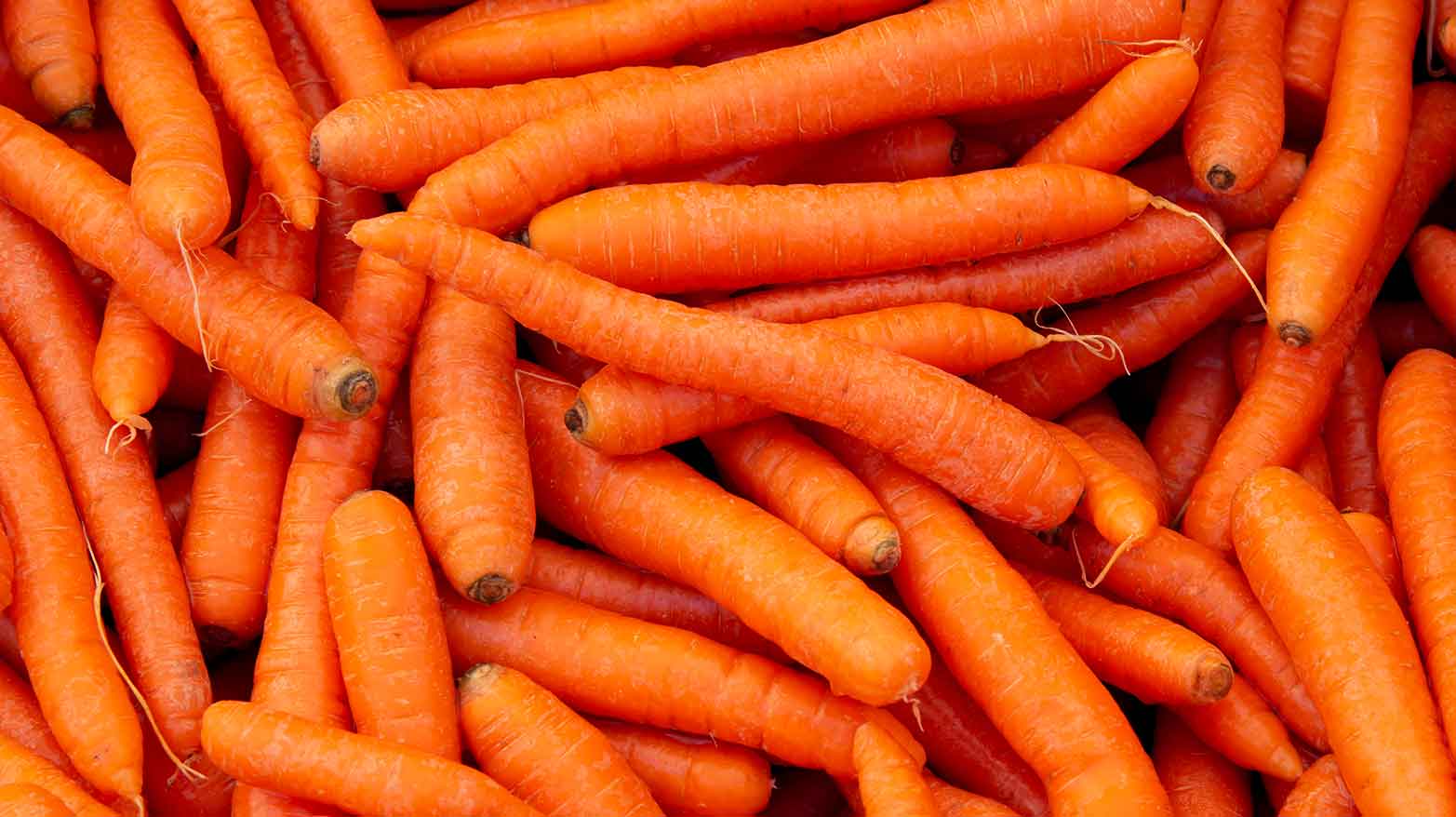
28. Carrots are sweeter in winter
As the temperature drops, carrots convert their starches into sugars to protect themselves from freezing. This natural process results in a noticeably sweeter flavor in carrots harvested in cold weather.
29. Red bell peppers contain more vitamin C than oranges
In the market for some food nutrition facts? A single medium-sized red bell pepper contains nearly three times the amount of vitamin C as an orange, making it an excellent choice for boosting your immune system. This nutrient-packed snack also offers antioxidants like beta-carotene and lycopene.
30. Eggplants aren't always purple
While the deep purple variety is the most common sight in grocery stores, eggplants actually come in a wide array of colors, including white, green, striped and even orange. Their color can vary based on species, climate and growing region.
31. Tomatoes are fruits, not veggies
Botanically speaking, tomatoes are fruits because they form from a flower and contain seeds. While it’s culinarily treated as a vegetable due to its savory flavor and use in cooking, it's scientifically a fruit. In 1893, the Supreme Court even ruled that tomatoes are vegetables for tax reasons! Other common “vegetables” that are botanically fruits include cucumbers, pumpkins, bell peppers and eggplants.
Sweet surprises
Get ready for a sugar rush of knowledge! From ancient honey to chocolate currency, these sweet facts will have you seeing your favorite desserts in a whole new light.
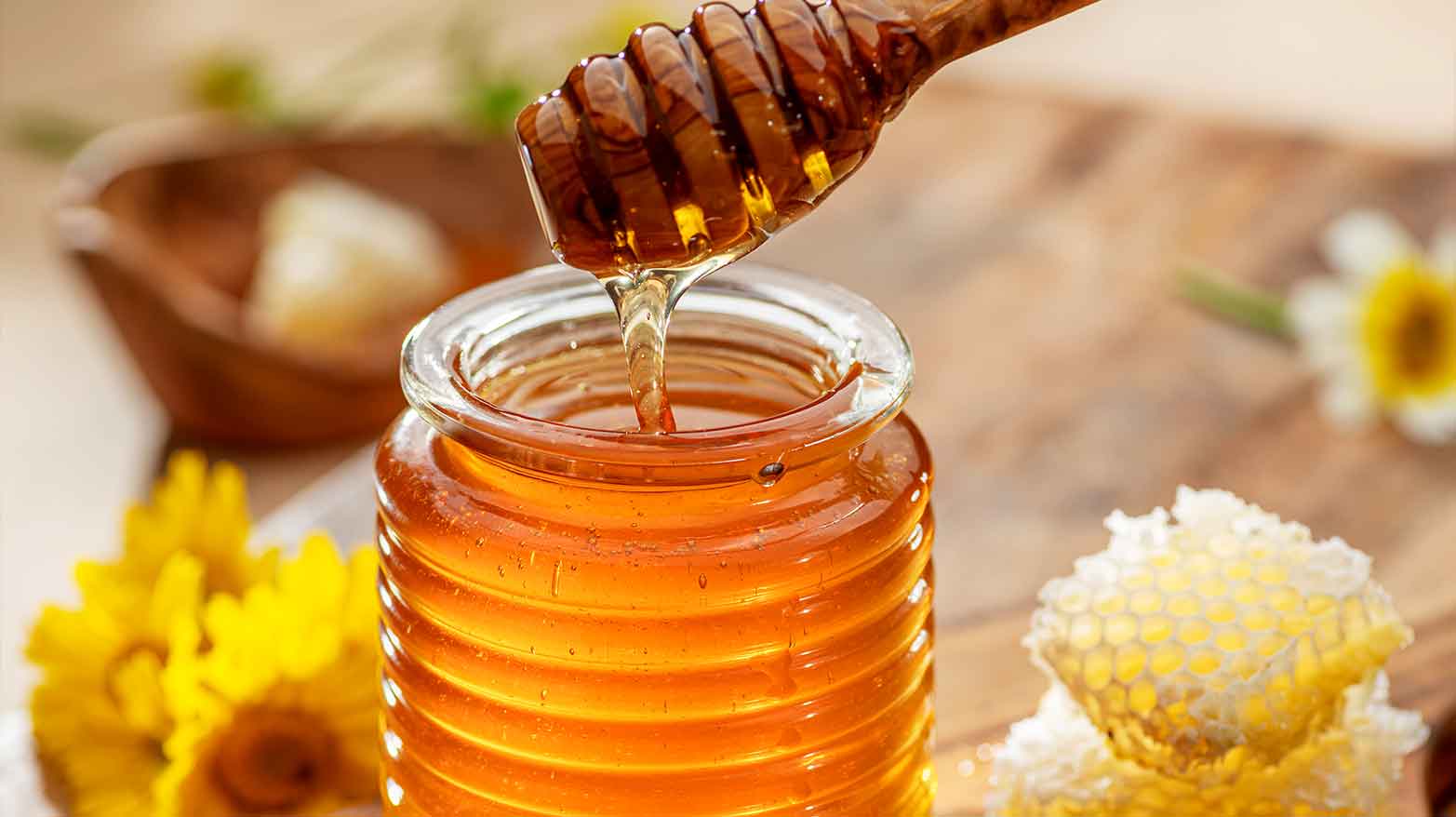
32. Honey never expires
Honey is one of the only foods that can last indefinitely. Thanks to its low moisture content, naturally high acidity and the presence of hydrogen peroxide, its chemical composition creates an environment where bacteria and microorganisms simply can’t thrive. In fact, archaeologists have found perfectly edible pots of honey in ancient Egyptian tombs that are over 3,000 years old.
33. Honey bees have to visit about 2 million flowers to make 1 pound of honey
Producing honey is hard work. A single honey bee only makes about 1/12 of a teaspoon of honey in its lifetime. Collectively, bees must visit roughly 2 million flowers and fly over 55,000 miles to create just 1 pound of honey.
34. Chocolate was used as money
Cacao beans (the raw ingredient for chocolate) were so valuable that they were used as currency in ancient Mesoamerican civilizations like the Aztecs and Mayans. People would trade them for goods, and taxes could even be paid in chocolate. Cacao was considered a sacred gift from the gods and was also used in various rituals and ceremonies.
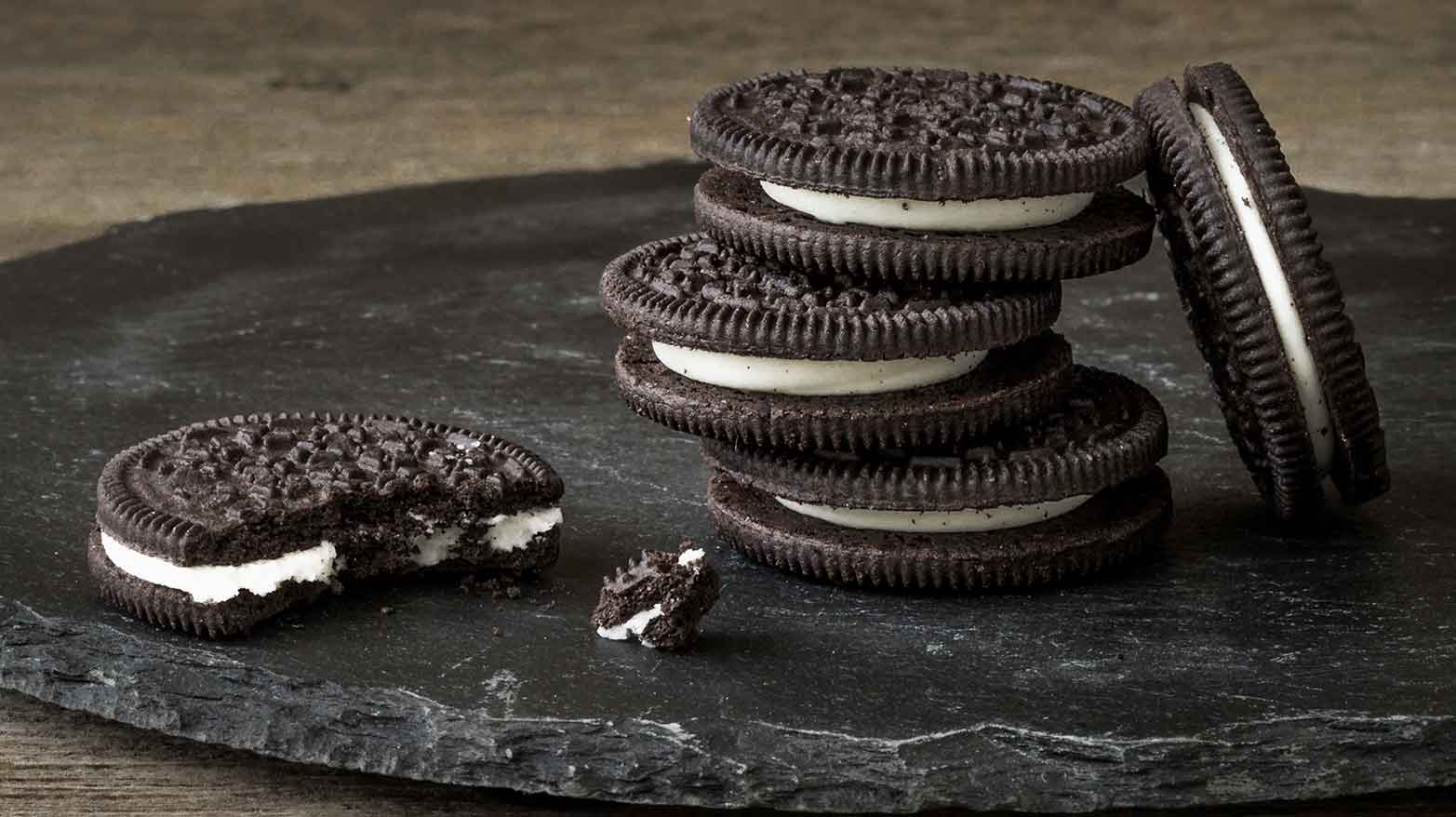
35. Oreos are vegan
Oreos have become a popular treat of choice for those following plant-based diets worldwide. Despite their creamy center and popularity for milk-dunking, these classic cookies don’t contain any animal-derived ingredients in most regions, making them accidentally vegan.
While the ingredients themselves are vegan, there can be a cross-contact warning on packaging indicating they may share equipment with dairy products. This is generally for allergy purposes, not because dairy is an intentional ingredient.
36. Snickers bars are named after a horse
The popular Snickers candy bar was first introduced by Mars, Inc. in 1930. The name for this iconic treat didn’t come from a catchy marketing brainstorm, but rather from a very personal source. Founder Frank Mars and his family were avid horse lovers. They had a favorite horse named Snickers, and it was this cherished equine companion that inspired the name of one of the world’s best-selling candy bars.
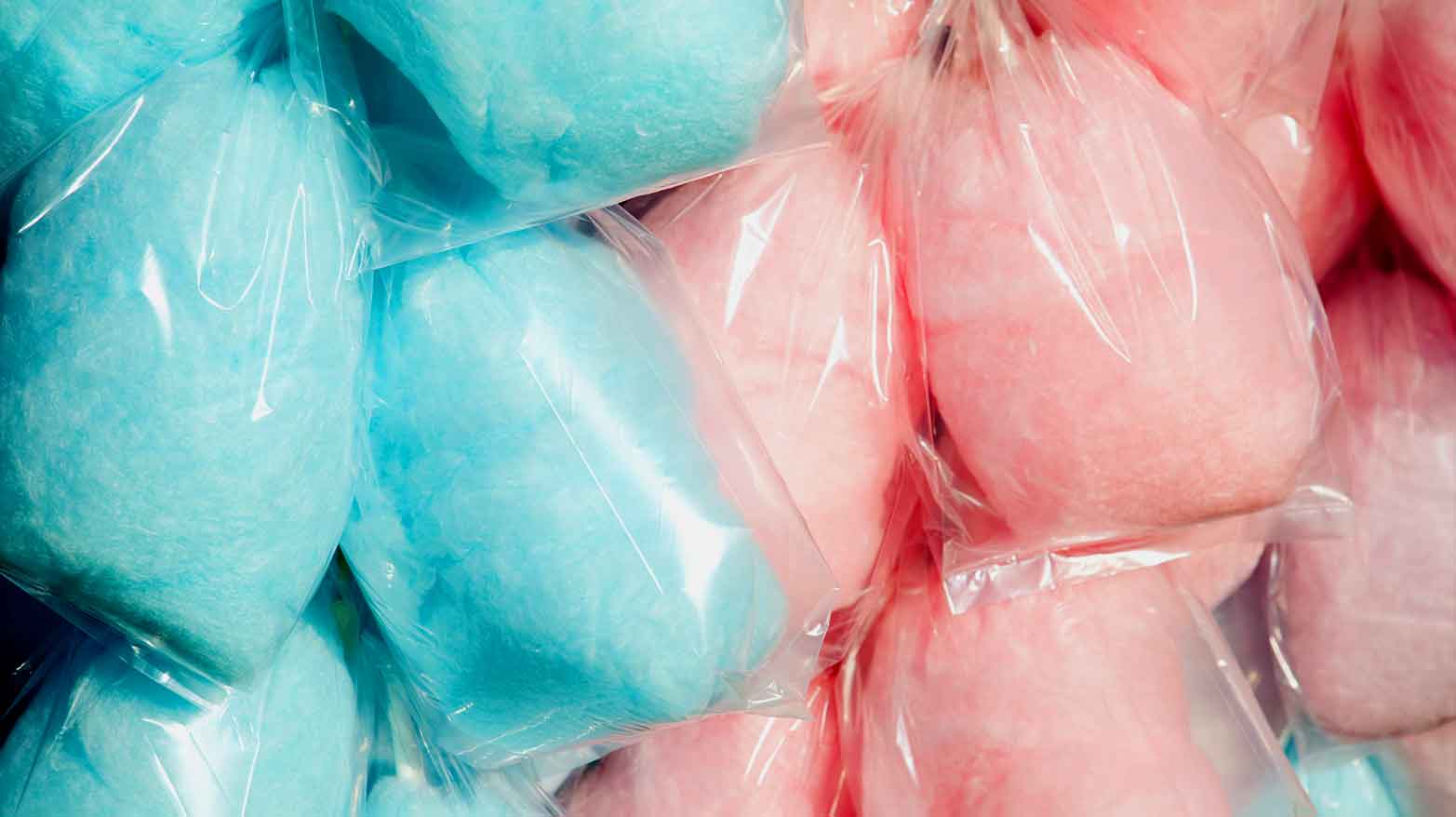
37. Cotton candy was invented by a dentist
Ironically, the sugary treat was co-invented by dentist William Morrison in 1897. He teamed up with confectioner John C. Wharton to create a machine that spun melted sugar into fluffy, airy threads, originally called “fairy floss.” They debuted their sweet treat at the 1904 World's Fair, where it was a massive hit.
38. Fortune cookies are an American invention
Although they’re often served in Chinese restaurants, fortune cookies were created in California in the early 20th century. Their design was inspired by a Japanese cracker with a similar folded shape called “tsujiura senbei” which also contained written fortunes.
39. White chocolate isn't actually chocolate
White chocolate does not contain cocoa solids, which means it technically isn’t “real” chocolate. Instead, it’s made from cocoa butter, vanilla, sugar and milk solids, giving it its creamy color and mellow flavor.
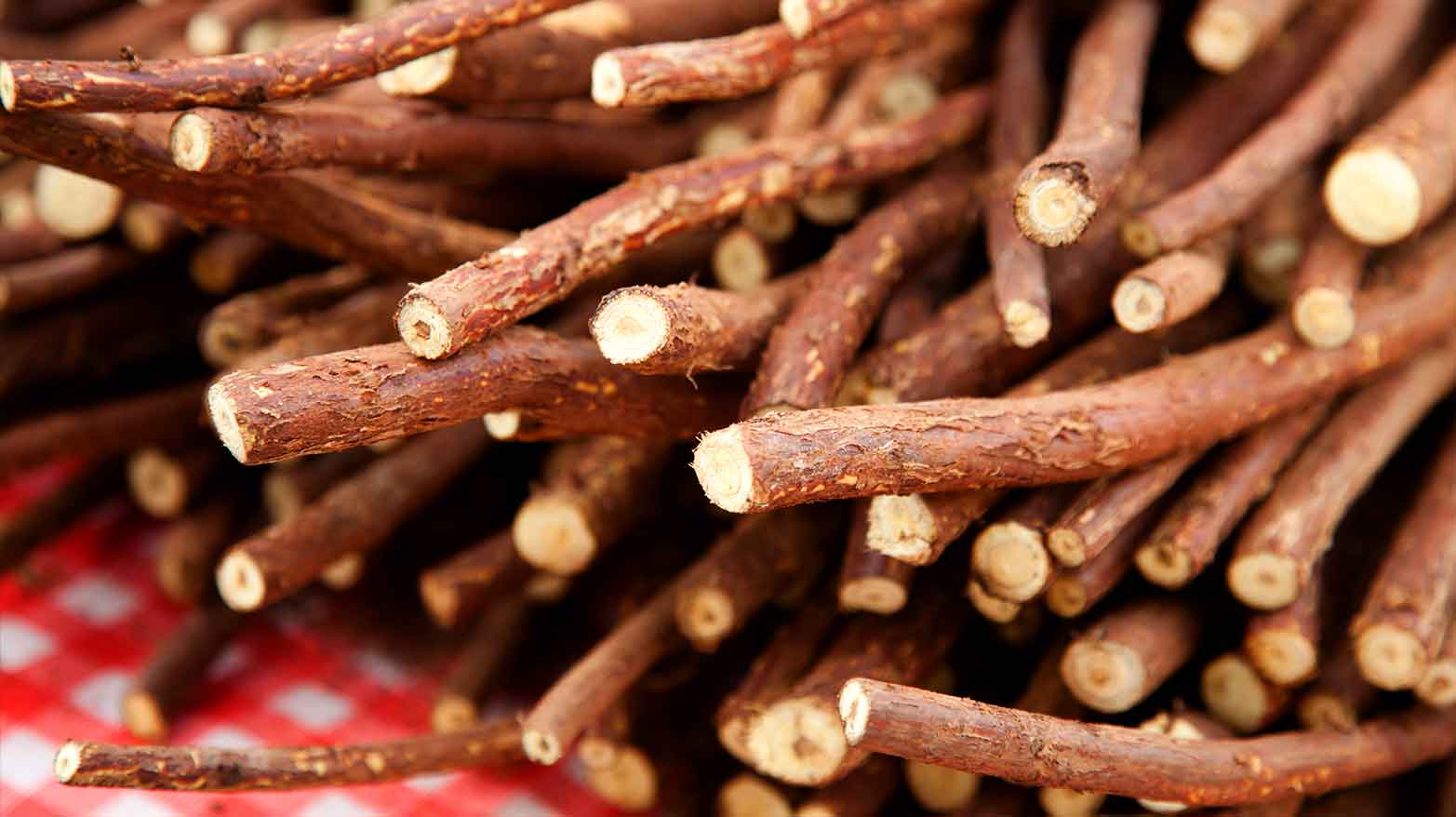
40. Licorice root was once used to treat ulcers and sore throats
Licorice root has been used medicinally for thousands of years. In traditional Chinese medicine and ancient Greek texts, it was prescribed for a variety of ailments due to its soothing anti-inflammatory properties. This included stomach issues like ulcers and respiratory problems like coughs and sore throats.
41. M&M’s were originally made for soldiers
M&M’s were developed in the 1940s for military use. Forrest Mars Sr. observed Spanish Civil War soldiers eating chocolate pellets encased in a hard sugar shell to prevent them from melting in the heat. This inspired him to create M&M’s in 1941. He named the candies after himself and Bruce Murrie, the son of Hershey’s president, with whom he partnered to get chocolate during wartime rationing.
42. Bubblegum was originally gray, not pink
When bubblegum was first invented in 1928, the gray prototype was not very appetizing. The only dye available at the factory was pink, so that’s the color it became. The pink hue stuck and has now become the bubblegum standard.
43. Some popular ice creams contain seaweed
Carrageenan, a thickening agent and stabilizer derived from red seaweed, is commonly used in ice cream to give it a smooth, creamy texture and prevent ice crystals from forming. It’s tasteless, so you won’t notice anything fishy in your sweet treat.
Hungry history
Ready to take a tour through time and taste? From royal dishes to ancient superstitions, these interesting food facts from around the world connect your favorite dishes to centuries of tradition.

44. Carved pumpkins were meant to protect against evil spirits
The tradition of carving pumpkins into jack-o'-lanterns for Halloween originated from an old Irish custom. People would carve turnips or potatoes with frightening faces and place them near doors and windows to ward off evil spirits, particularly during the Celtic festival of Samhain. When Irish immigrants arrived in America, they found pumpkins to be much easier to carve, and the tradition evolved.
45. Ketchup was once medicinal
Today, you slather it on fries, but in the early 1800s, ketchup was marketed as a cure-all tonic. An Ohio doctor named John Cook Bennett even claimed it could treat indigestion when mixed with other ingredients and sold as a pill. It wasn’t until later that ketchup became the savory condiment you know and love.
Grab it now on Instacart


46. Margherita pizza was named after a queen
The classic Margherita pizza has a royal connection. In 1889, Queen Margherita of Savoy visited Naples. A local pizza maker created a pizza resembling the Italian flag, with red tomatoes, white mozzarella and green basil, and named it in her honor.
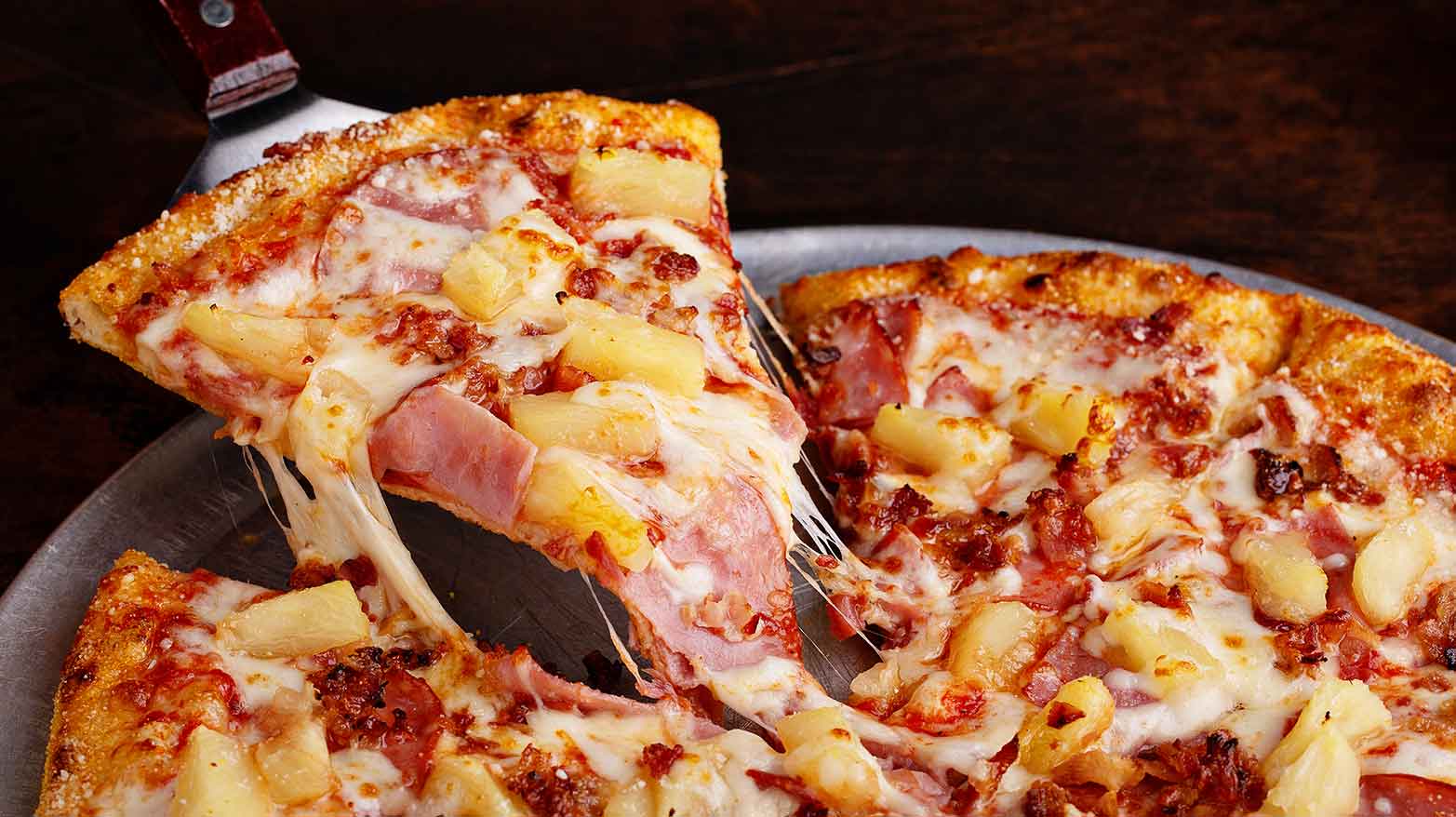
47. Hawaiian pizza didn't come from Hawaii
Despite its name, Hawaiian pizza was not invented in Hawaii. The controversial pizza topping combo of ham, pineapple and cheese was actually created in 1962 by Sam Panopoulos, a Greek-Canadian restaurateur in Ontario, Canada. He added canned pineapple to pizza on a whim, sparking a food debate that continues to this day.
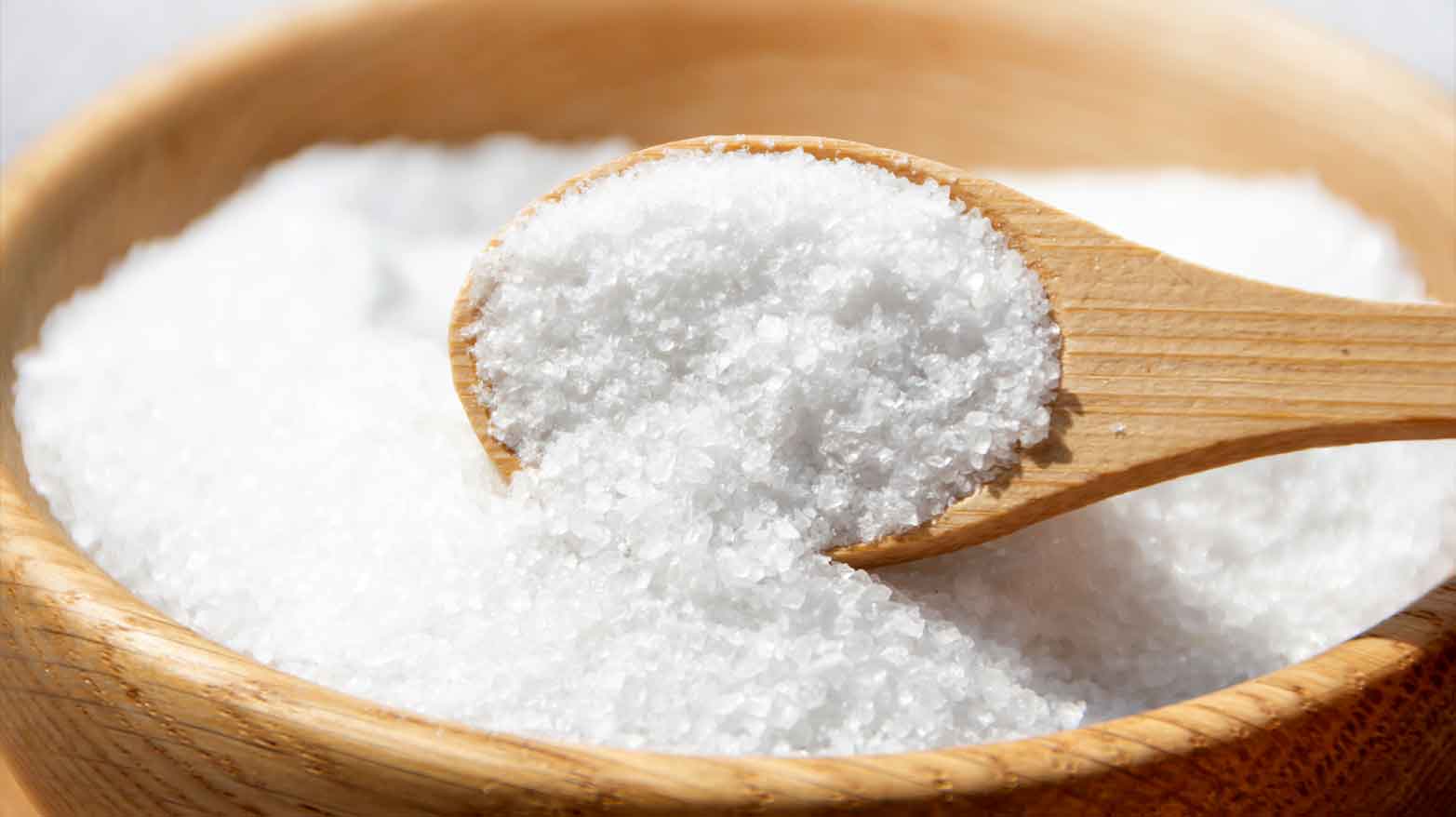
48. The word “salary” comes from “salt”
In ancient Rome, salt was so valuable that it was used as a form of payment as well as a preservative. The Latin word “salarium” referred to money given to soldiers to buy salt, hence the modern term “salary.” It’s also where we get the saying “worth your salt.”
49. Thomas Jefferson loved mac and cheese
America’s third president, Thomas Jefferson, was a big fan of macaroni and cheese. He originally encountered it while in France and brought a pasta machine and a recipe back to the United States to recreate the dish. He even served it at a state dinner in 1802, introducing the cheesy goodness to a wider American audience.
50. Coffee began as a food, not a drink
Long before lattes, early African tribes mixed ground coffee beans with animal fat to create energy-packed snacks for long hunts and treks. The practice of brewing coffee into a drink began centuries later in Yemen, where Sufi monks used it to stay awake during prayers.
The oldest domesticated crop is the fig
While barley and wheat are often cited as the earliest domesticated crops, recent archaeological evidence suggests that figs might hold the title. Discoveries in the Jordan Valley indicate that figs were cultivated around 11,400 years ago, predating the cultivation of cereals by approximately 1,000 years. They were likely planted intentionally and propagated through cuttings.

52. The first gingerbread man was created for Queen Elizabeth I
The charming gingerbread man has a regal origin. It's said that Queen Elizabeth I commissioned the creation of gingerbread figures decorated to resemble foreign dignitaries and suitors who visited her. These edible portraits were decorated and served to her guests. This marked the beginning of decorating gingerbread figures, which later evolved into the Christmas food we adore today.
53. People have enjoyed popcorn for around 9,000 years
Popcorn can be traced back to ancient Mexico, where early varieties of corn were heated to produce the now-familiar pop. Archaeologists have even found popcorn remnants in 5,600-year-old caves, proving that your favorite movie snack has been around much longer than movies themselves.
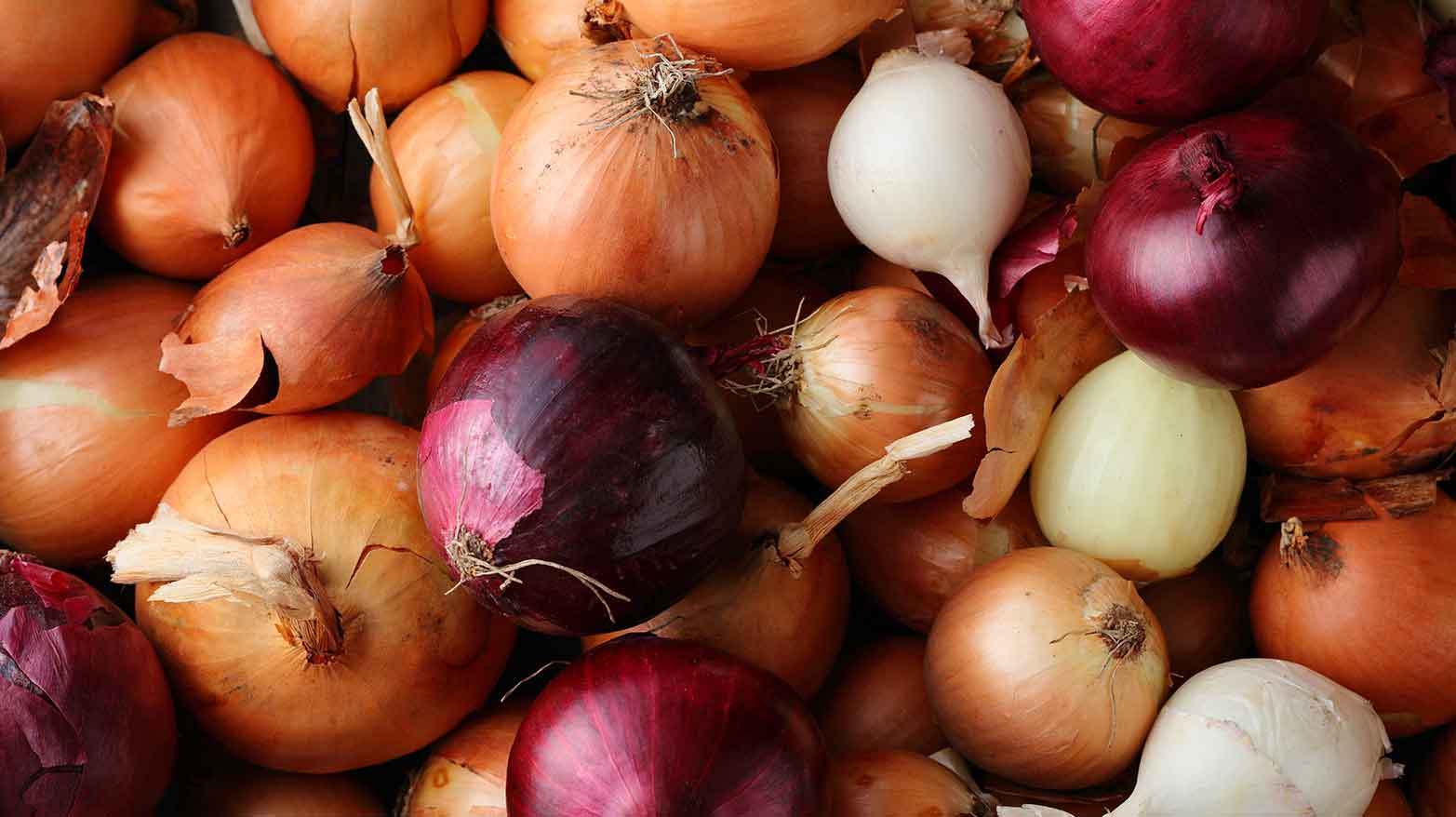
54. Onions were worshipped in ancient Egypt
To the ancient Egyptians, onions symbolized eternal life due to their layered structure. They were placed in tombs, used in rituals and even painted on walls. Pharaohs, including King Tut, were sometimes buried with onions placed over their eyes or chests.
55. The first vending machine dispensed holy water
Long before snacks and sodas, the world’s first known vending machine was designed by the Greek mathematician Heron of Alexandria in the 1st century AD. When a coin was inserted, it triggered a lever mechanism that dispensed a fixed amount of holy water, demonstrating an early understanding of automated systems.
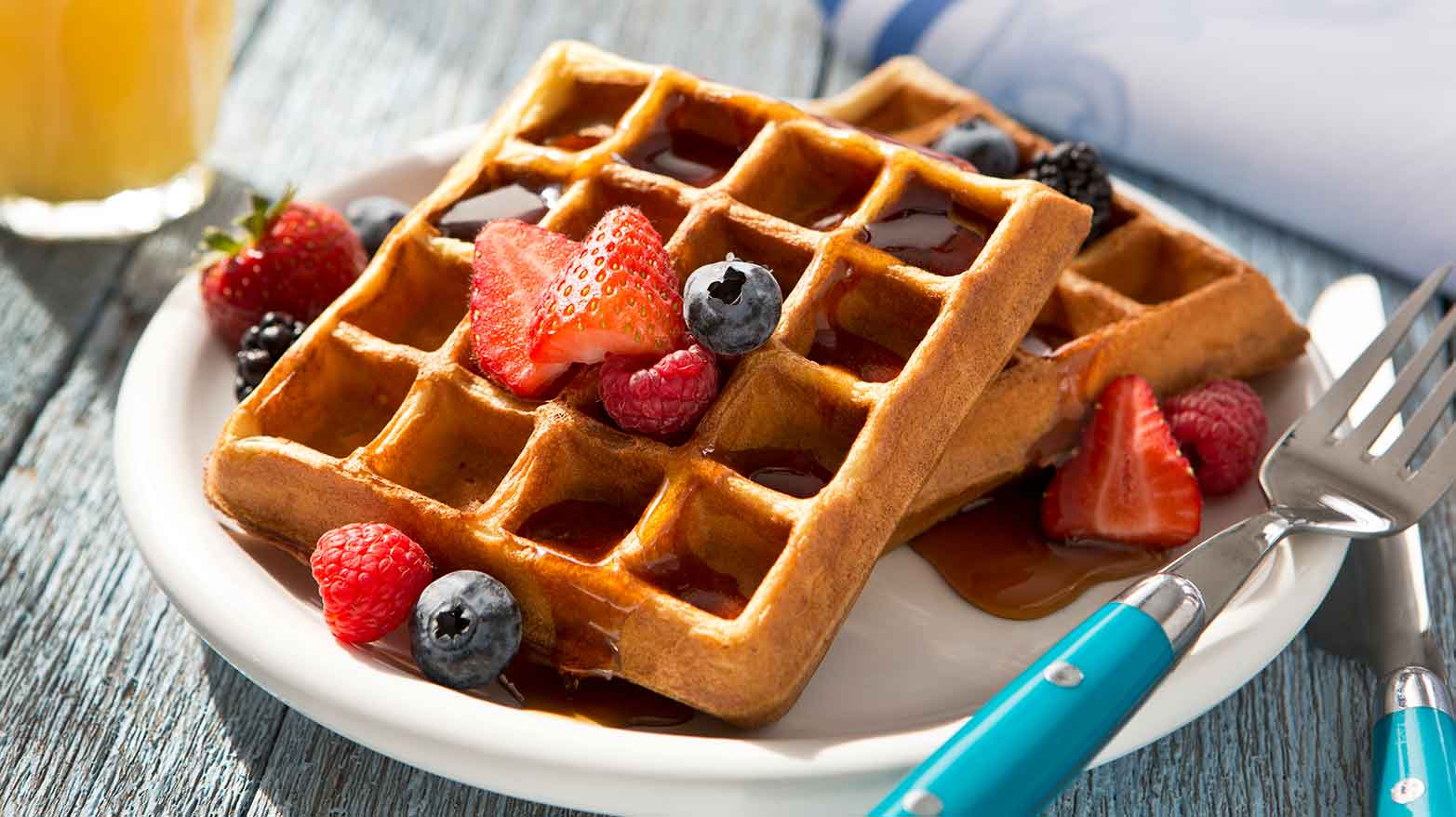
56. Ancient Greeks enjoyed waffles
The ancient Greeks used two hot metal plates to cook flat cakes called “obelios,” an early version of the modern waffle. These griddled treats were often savory, made with grains and water, and sometimes accompanied by cheese or herbs.
57. One of the oldest known recipes was for beer
A 4,000-year-old Sumerian tablet contained a recipe for brewing beer, complete with hymns to the beer goddess Ninkasi. It outlined how to ferment barley into a drink that was both sacred and social, making beer one of the earliest known prepared foods.
58. Lasagna is Greek, not Italian
While lasagna is now a cornerstone of Italian cuisine, its origins can be traced back to ancient Greece. The word “lasagna” is believed to come from the Greek word “laganon,” which referred to flat sheets of dough cut into strips. The Romans then adapted this concept, and over centuries, it evolved into the layered pasta dish we know and love today.
59. French fries aren't French
Despite their name, french fries are widely believed to have originated in Belgium, not France. According to local lore from the Meuse Valley, poor villagers often ate small fried fish. When the river froze over in the 1600s and the villagers couldn’t catch any fish, they began frying thin strips of potatoes instead.
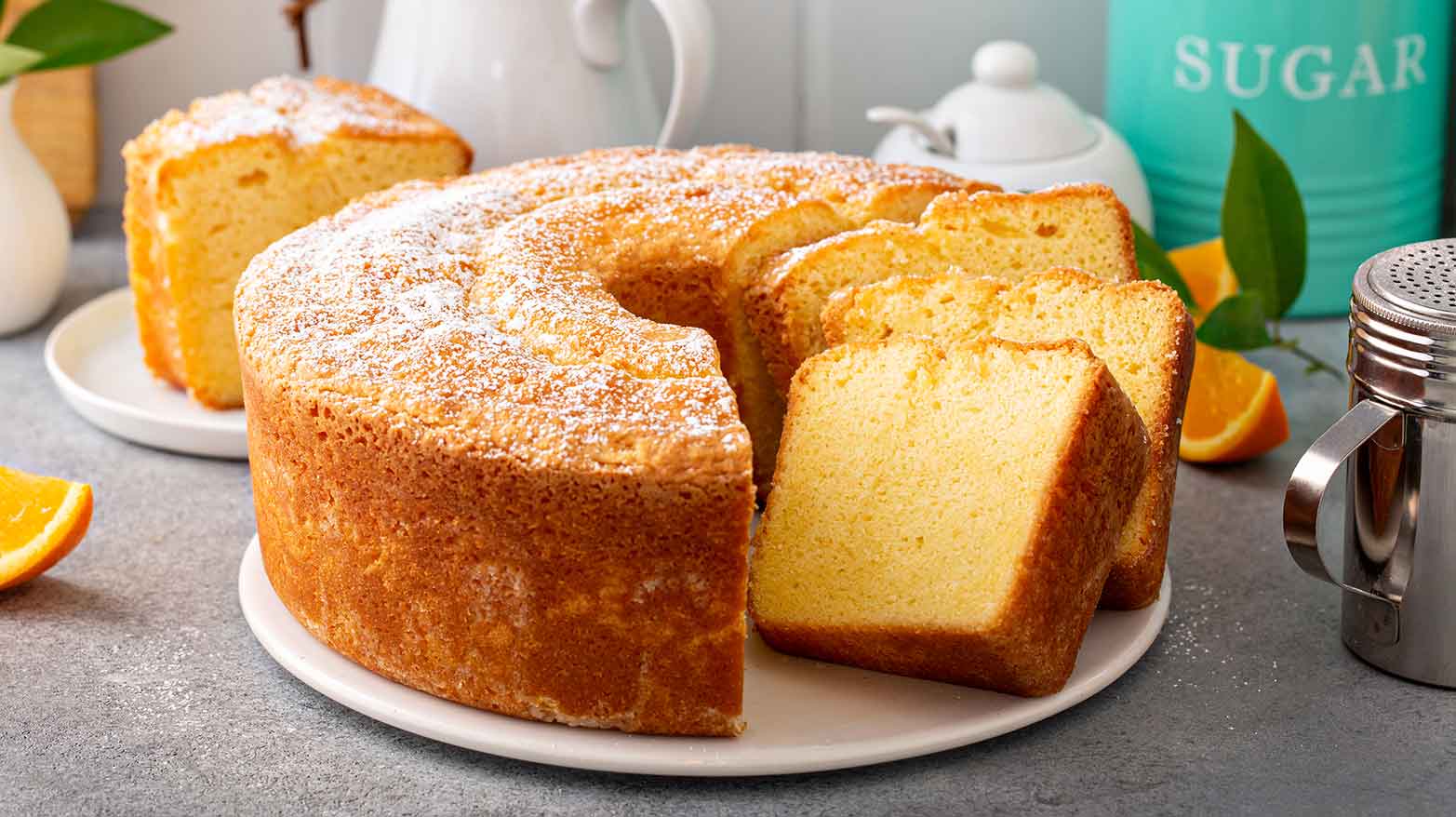
60. Pound cake gets its name from its recipe
Traditional pound cakes were made with 1 pound each of flour, sugar, butter and eggs. This simple balanced ratio made the recipe easy to remember and resulted in a rich, dense cake that has been a classic for centuries.
61. Bread slices were used as plates
In medieval times, it was common to use slices of stale bread as plates. These slices were known as “trenchers” and they were typically made from a flat, round loaf of bread. After the meal was finished, the trencher could be eaten, given to beggars or used as animal feed. It was surprisingly sustainable, and there was no need to wash dishes!

62. McDonald’s originally sold hot dogs, not burgers
Before becoming the biggest name in burgers, the original McDonald’s restaurant, which opened in 1940, sold hot dogs, barbecue and milkshakes. In the 1950s, the menu was revamped, and burgers became their signature item.
63. Incas measured the passage of time by cooking a potato
The Inca civilization had no written language or clocks, but they were highly skilled in agriculture. In fact, they used the time it took to cook a potato as a unit of time. While this time period varied depending on the type and size of potato, it served as a rough estimate for short durations.
64. Bacon has been eaten on the moon
When Neil Armstrong and Buzz Aldrin took their historic steps on the moon in 1969, they brought some familiar comfort food. Among the items packed for the Apollo 11 mission was freeze-dried bacon, making it one of the first foods consumed in space and on the surface of the moon.
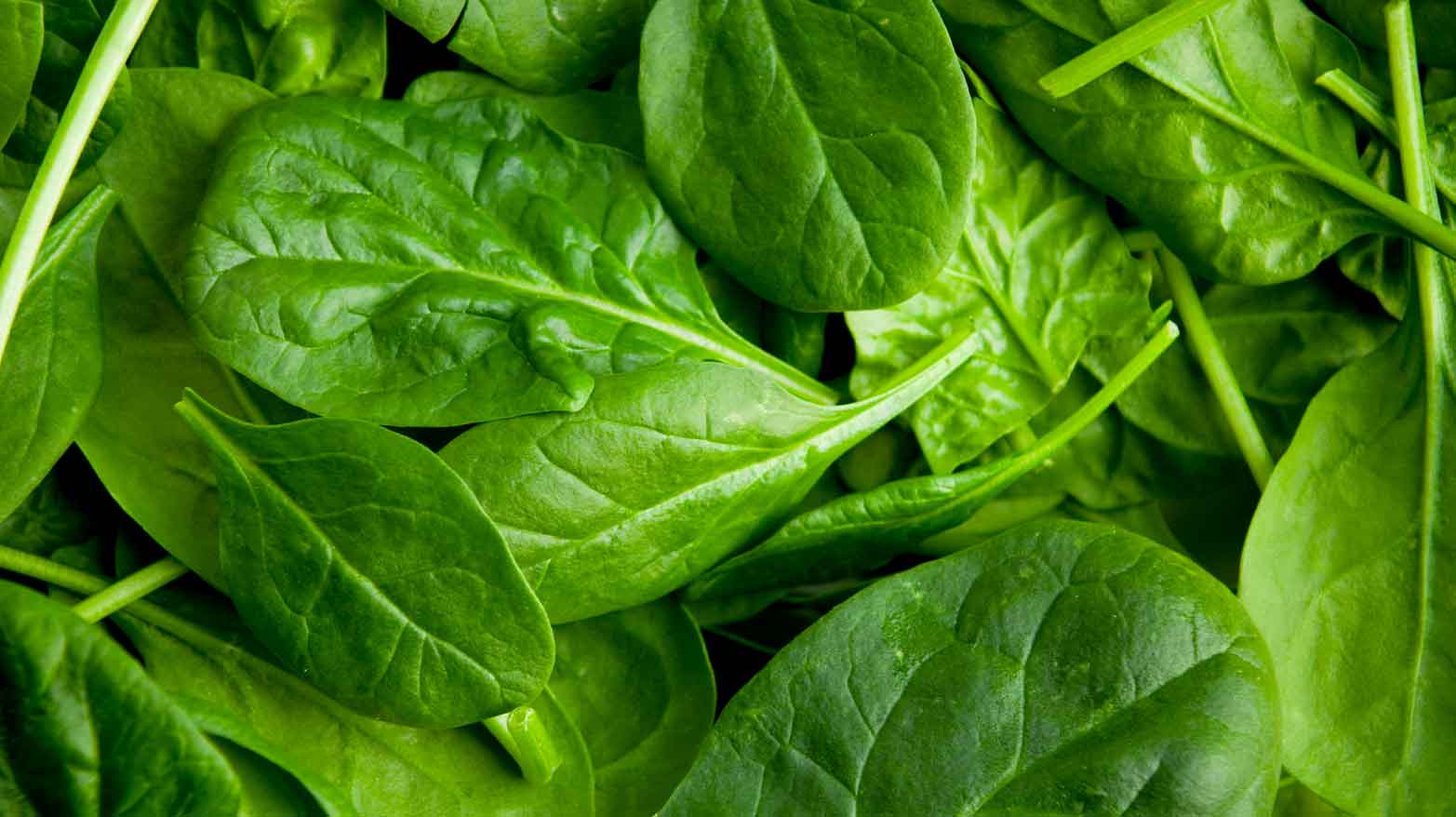
65. Spinach was used as ink in medieval times
Beyond its culinary uses, spinach had a surprising role in medieval times. The vibrant green pigment from spinach leaves was sometimes extracted and used as a natural dye for creating green ink in illuminated manuscripts and other artistic endeavors.
Nibbles and tidbits
From glowing drinks to explosive snacks, these final quirky food facts highlight the strange science, unexpected ingredients and offbeat truths behind the foods you thought you knew.
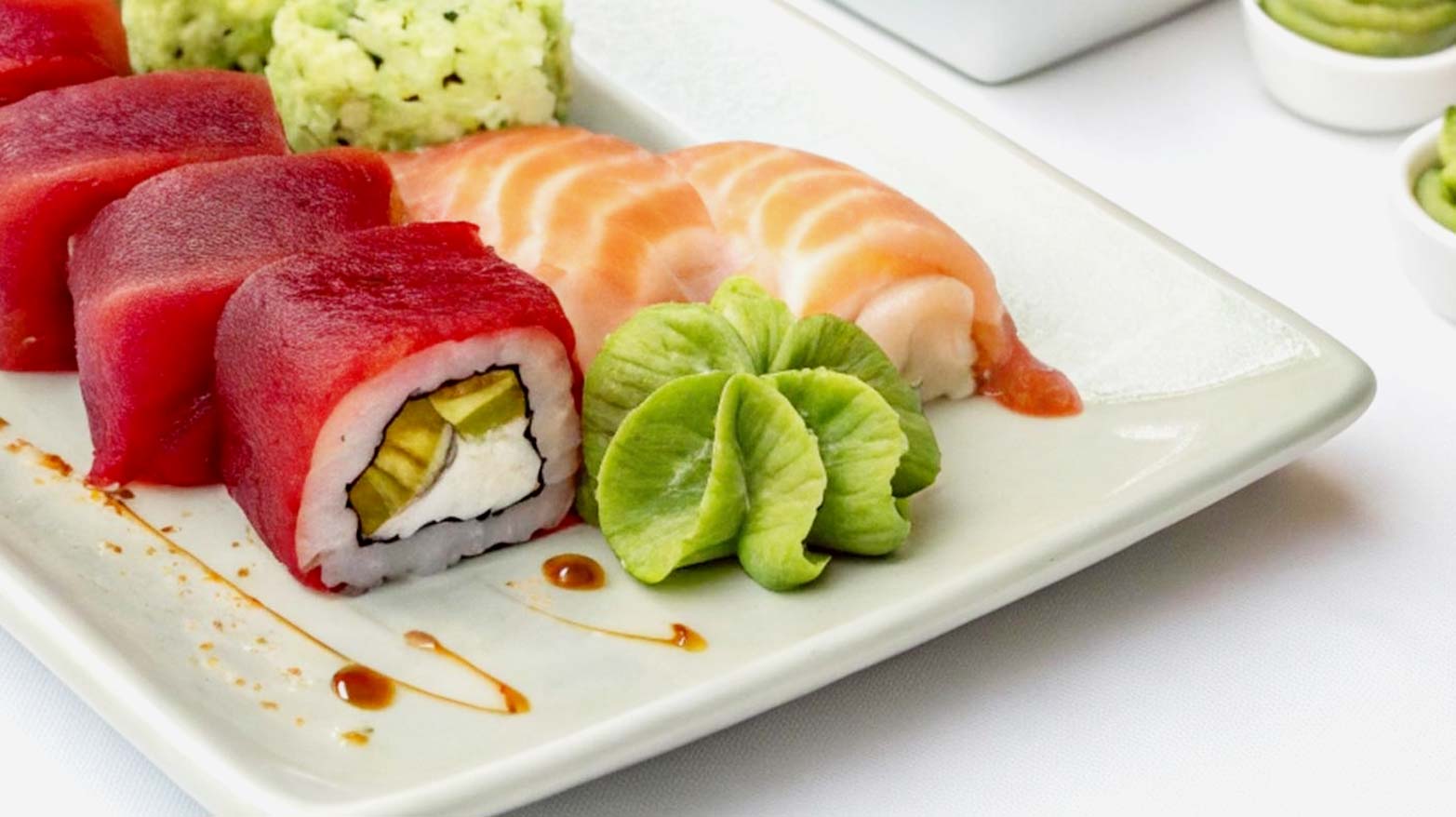
66. Sometimes “wasabi” is just dyed horseradish
If you’ve ever had wasabi outside of Japan, chances are you were eating dyed horseradish. True wasabi (Wasabia japonica) is expensive and notoriously difficult to cultivate, leading many restaurants to use a mixture of horseradish, mustard and green food coloring as a more affordable substitute.
67. Spicy food cools you down
It seems counterintuitive, but eating spicy food can actually help cool you down, especially in hot climates. Capsaicin (the compound responsible for heat in chili peppers) triggers nerve receptors that sense heat, causing you to sweat. As the sweat evaporates from your skin, it helps to lower your body temperature and provides a cooling effect. This is why hot dishes are popular in warm climates.
68. Capsaicin doesn’t affect birds and reptiles
Did you know that birds and reptiles can eat the spiciest peppers without flinching? The compound capsaicin, which gives chili peppers their fiery kick, only binds to pain receptors in mammals. This evolutionary adaptation means birds and lizards can safely consume and disperse chili seeds without being deterred by the spice, helping the plant propagate.
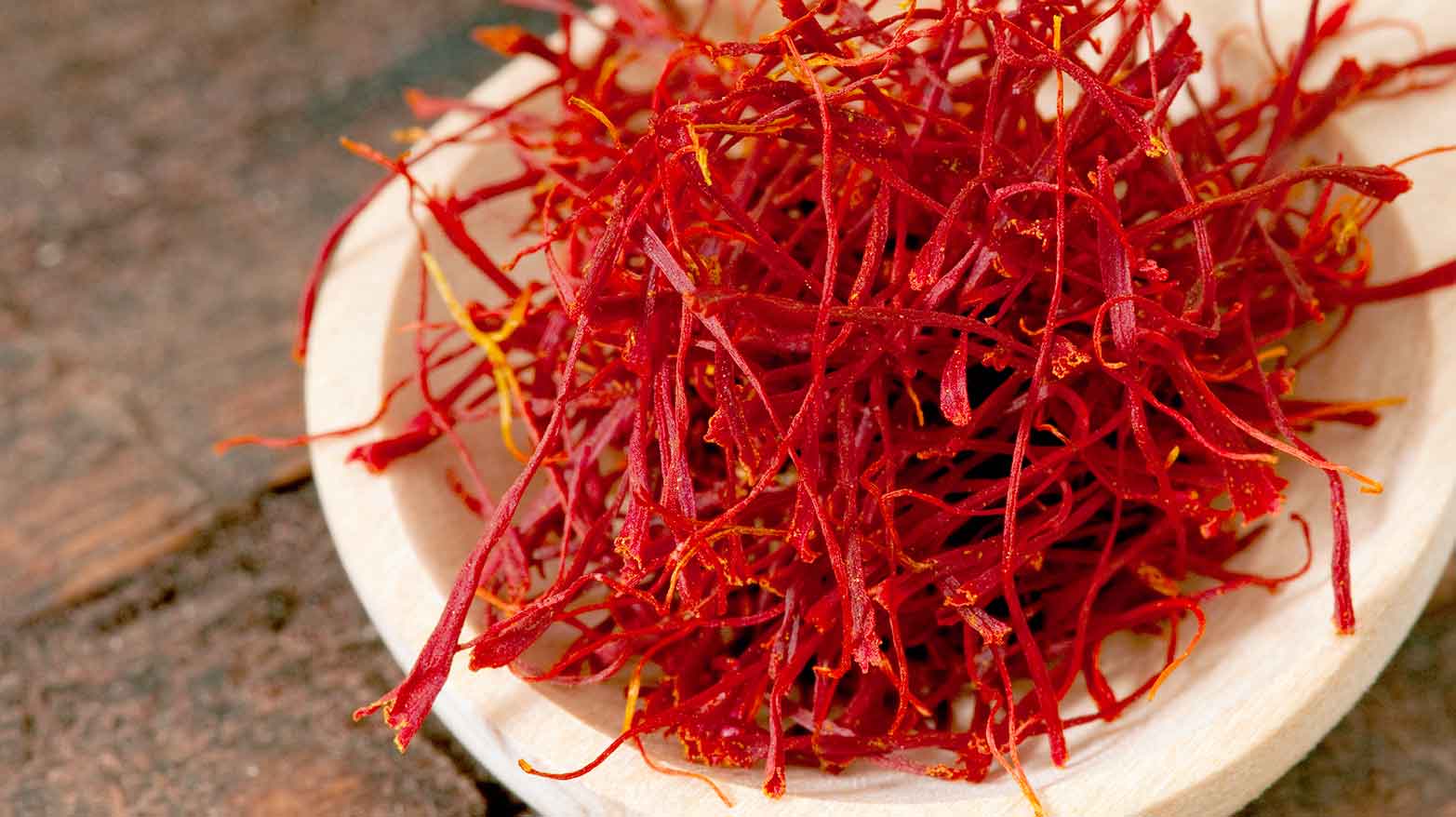
69. Saffron is the most expensive spice in the world
Known for its vibrant color, distinct aroma and earthy flavor, saffron holds the title of the world’s most expensive spice. It’s derived from the delicate stigmas of the Crocus sativus flower. Each flower produces only three tiny stigmas, requiring around 75,000 flowers to produce just 1 pound of saffron. Plus, all harvesting must be done by hand, contributing to its high cost.
70. Nutmeg can be hallucinogenic
While nutmeg is commonly used as a spice in small amounts, consuming large quantities of it can produce hallucinogenic effects due to a compound called myristicin. However, the amount required to achieve this effect is also toxic and can lead to unpleasant side effects like nausea, dizziness and extreme disorientation.
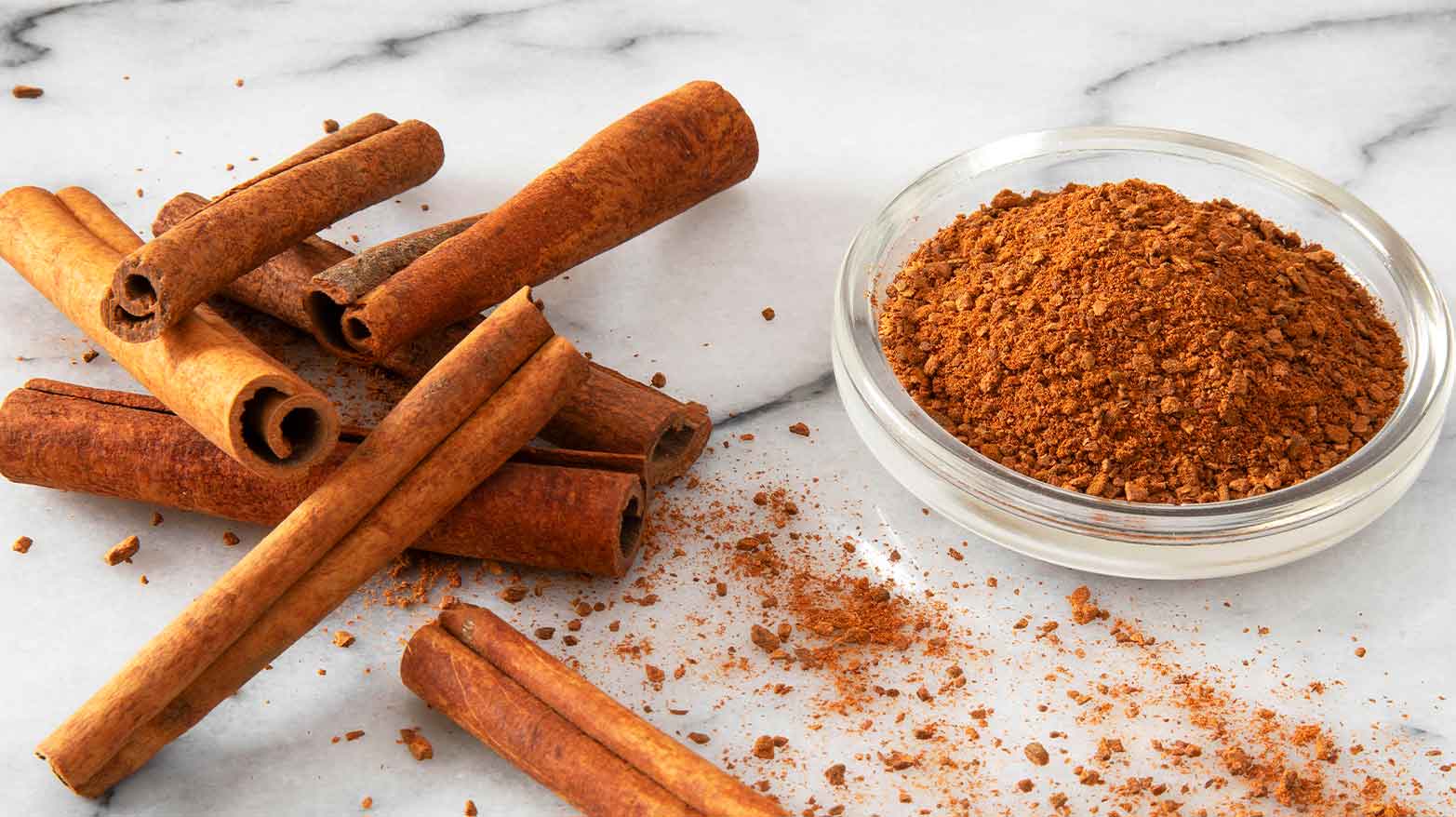
71. Cinnamon comes from tree bark
Cinnamon is made by harvesting and drying the inner bark of several tree species belonging to the genus Cinnamomum. Once peeled and dried, the bark curls into quills or is ground into powder. The process has been practiced for thousands of years, dating back to ancient Egypt.
72. Almonds and pistachios aren’t nuts; they’re fruits
Almonds and pistachios are botanically classified as drupes, meaning they are actually seeds, not nuts. True nuts (like chestnuts and hazelnuts, for example) grow in hard shells that don’t open to release the seed. Almonds and pistachios, on the other hand, are seeds encased in fruit. Other examples of drupes include peaches, plums, cherries and olives.
73. Dynamite contains peanuts
Some past forms of dynamite contained peanut oil. The peanut oil was used to produce glycerol, which was then used to make nitroglycerin, a key component in dynamite. While modern manufacturing uses synthetic sources, peanuts once played a surprising role in the history of explosives.
74. Peanuts aren’t nuts
Despite their name, peanuts are legumes, meaning they belong to the same plant family as beans and lentils. This is because they grow underground in pods, a characteristic that further distinguishes them from botanical nuts, which grow on trees.
75. Pistachios can spontaneously combust
Pistachios have a high fat and low water content. This can create a self-heating effect when stored in bulk without proper ventilation, leading to exothermic reactions. Rarely, under certain conditions, large shipments can catch fire. This has led shipping companies to treat pistachios as a fire risk.
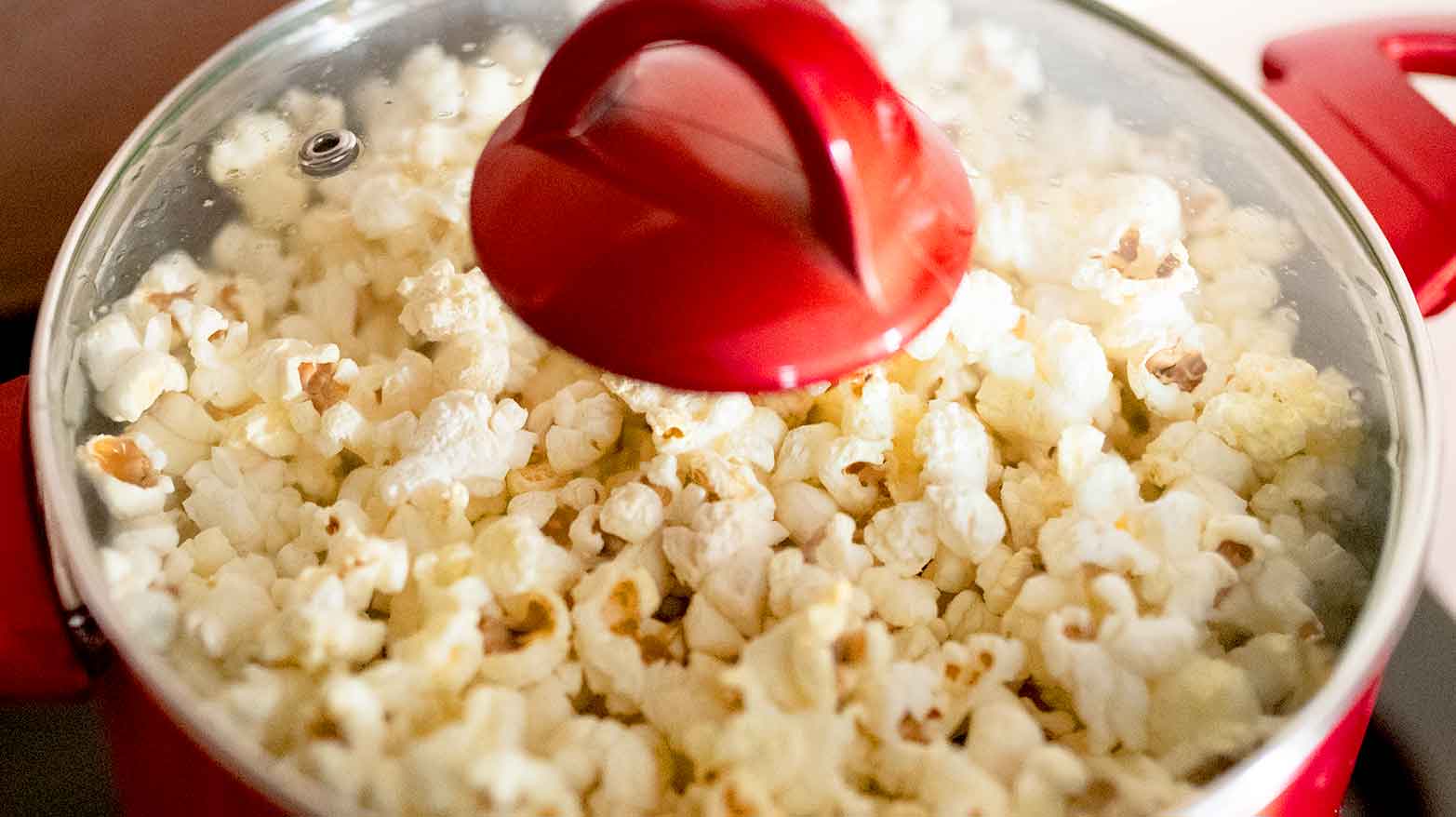
76. The “pop” in popcorn is due to steam escaping
Every wonder what goes on inside that microwave popcorn bag? Each popcorn kernel contains a tiny amount of moisture. When heated, the water turns to steam, building pressure until the kernel’s hull bursts open. That explosion flips the kernel inside out, creating the fluffy white snack we all love.
77. Most farm-raised salmon is dyed pink
While wild salmon get their vibrant pink-orange hue from their diet of crustaceans and krill, farm-raised salmon don’t have access to the same diet, so their flesh is often artificially colored. Farmers add astaxanthin, a carotenoid pigment (the same type of pigment that makes flamingos pink), to their feed to achieve the desirable pink color that consumers expect.
78. Your taste buds get replaced every 10 to 14 days
Your sense of taste is constantly renewing itself. The specialized cells within your taste buds have a relatively short lifespan and are replaced every 10 to 14 days. This ensures that your taste perception remains fresh and responsive to the vast array of flavors in the world. This might also explain why your food preferences can change over time.
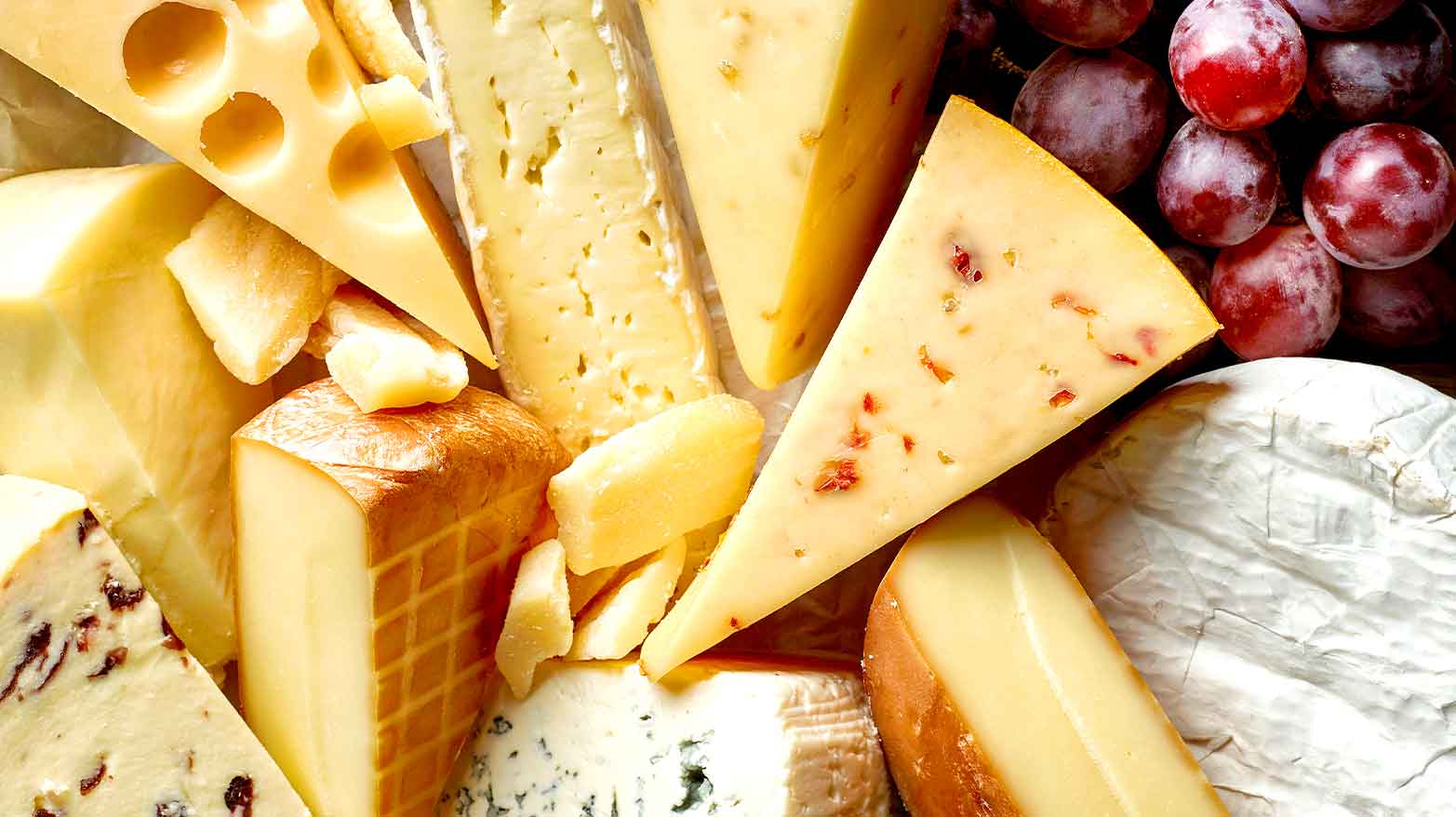
79. Cheese is the most shoplifted food in the world
Reports and studies have indicated that cheese is consistently one of the most shoplifted food items globally. Its high value, relatively small size and ease of resale likely contribute to this. Some supermarkets even tag cheese with security sensors!
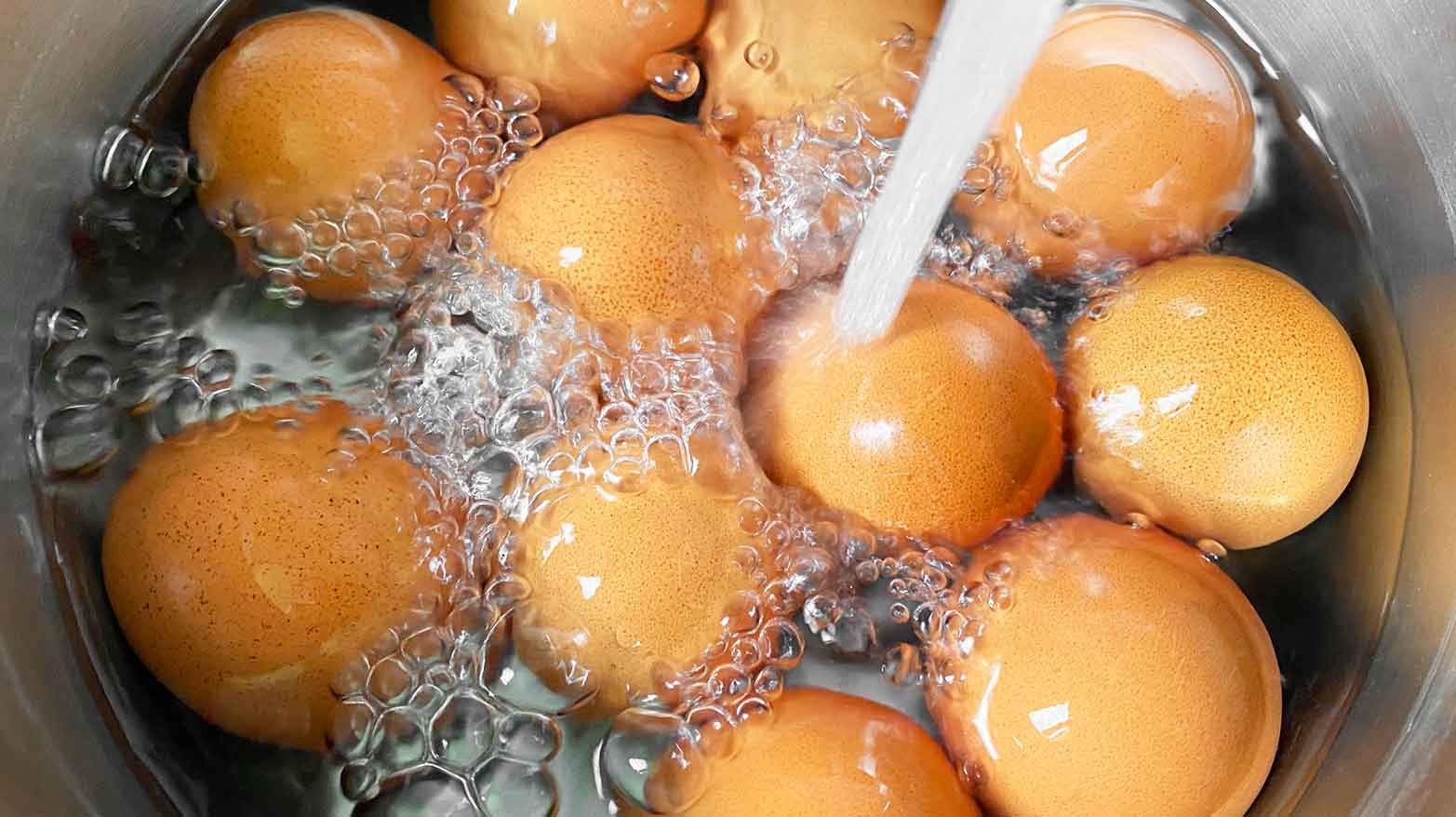
80. Rotten eggs float
Here’s a simple trick to check if your eggs are still good: Place them in a bowl of water. If it sinks and lies flat, it’s fresh. If it stands upright, it’s aging. If it floats to the top, it’s probably rotten. As an egg ages, the air pocket inside it grows larger. If an egg is rotten, this air cell will be big enough to make the egg float to the surface.
81. Shredded cheese and cereal may contain wood pulp
It sounds strange, but some shredded cheese and certain cereals may contain a small amount of cellulose, a natural fiber often derived from wood pulp. Cellulose is a common food additive used as an anti-caking agent in shredded cheese to prevent clumping and as a fiber source or filler in some cereals and other processed foods. It’s FDA-approved and perfectly safe to consume — in fact, it’s considered a dietary fiber.
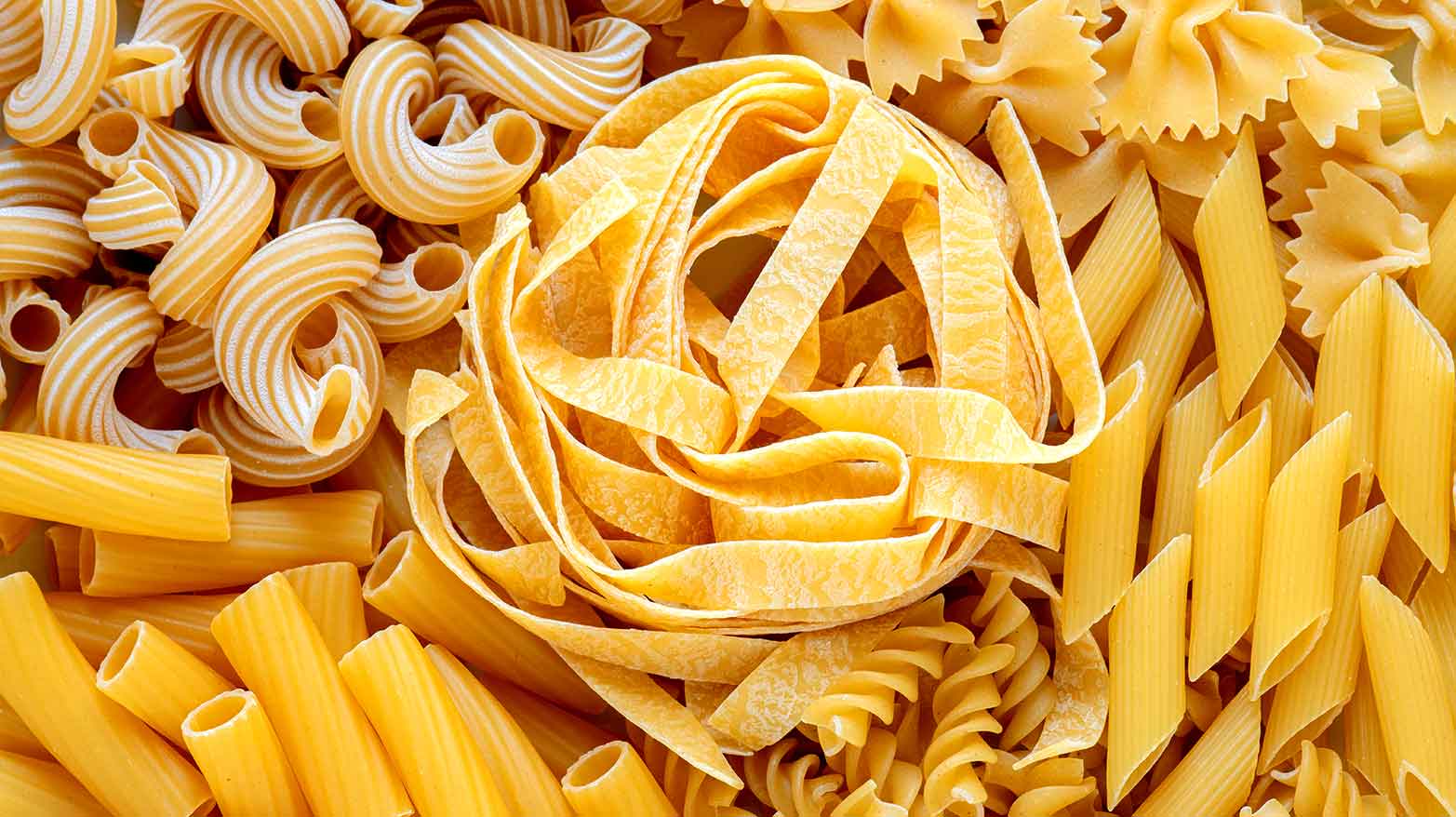
82. There are over 350 different kinds of pasta shapes
From familiar favorites like spaghetti and penne to intricate designs like campanelle, the world of pasta boasts an astonishing variety. There are over 350 officially recognized pasta shapes, each designed to hold sauce differently or serve a specific regional dish. Some shapes, like radiatori or mafaldine, were even inspired by architecture and royalty.
83. Tonic water glows in the dark
Tonic water contains quinine, a chemical compound that naturally fluoresces under ultraviolet (black) light. When exposed to black light, the tonic water will emit a fascinating bluish glow. It was once a practical tool, as quinine was used to treat malaria and helped track dosages.
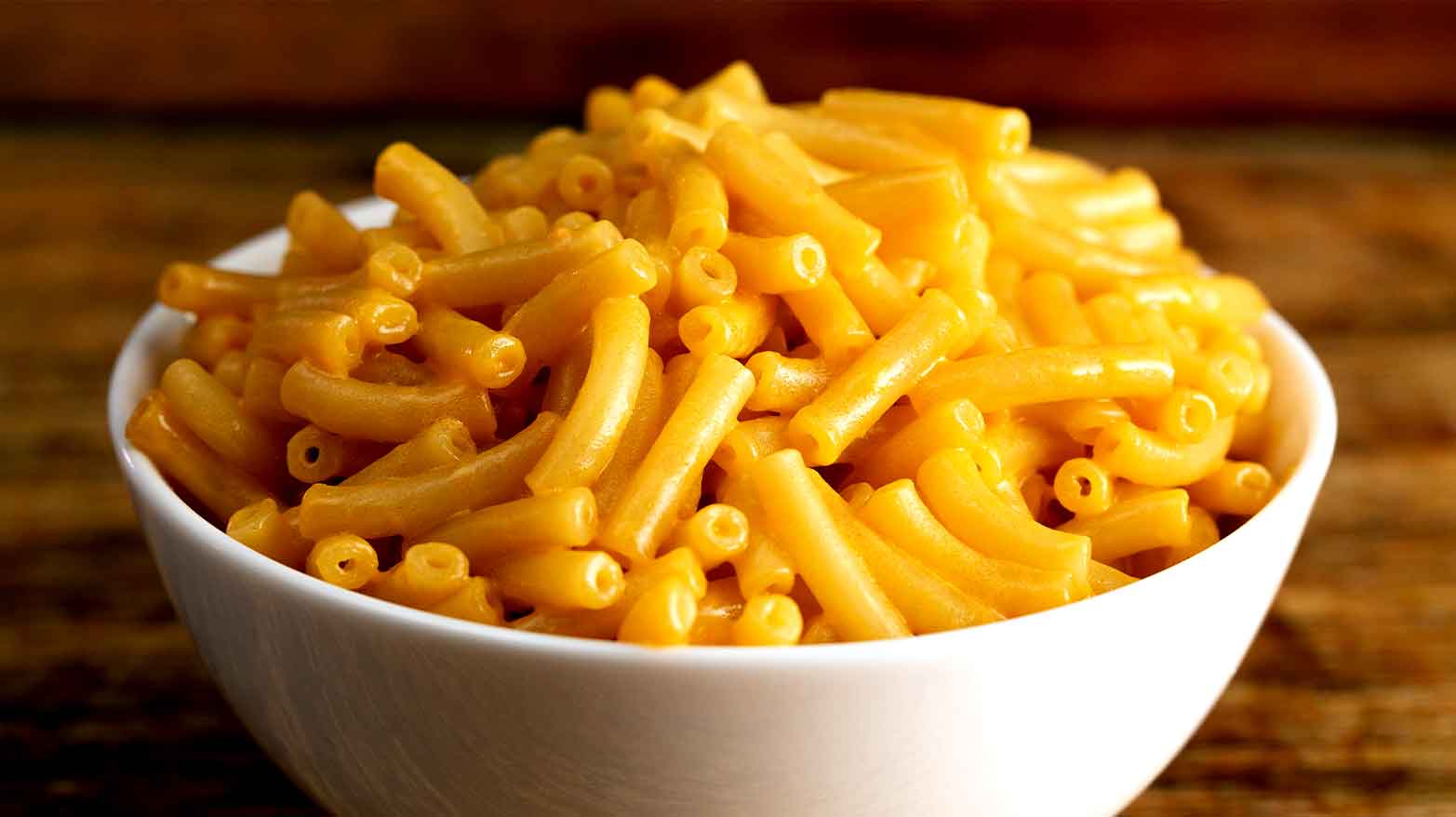
84. Canadians eat the most mac and cheese
Canadians are reported to consume more macaroni and cheese per capita than any other country in the world, with Kraft Dinner (the Canadian equivalent of Kraft Macaroni & Cheese) being an iconic staple in many Canadian households.
Find your next delicious discovery on Instacart
The culinary world is a fascinating place. With these delightful food facts for kids and adults alike, now you know there’s a rich story behind every bite.
Curious to taste something new or revisit an old favorite with a fresh perspective? Explore Instacart for easy access to everything from fresh produce to pantry staples, delivered right to your door. If you need more ways to bring smiles to mealtime, check out our guide to dinner ideas for picky eaters. Whether you’re shopping, snacking or sharing fun food trivia at the dinner table, these food facts are just the beginning of your next adventure!

Mel Hull
Author
Mel is a seasoned content strategist and food writer with over a decade of experience helping brands tell compelling stories. Inspired by her hometown of Houston, TX, she brings her love of bold flavors and Southern hospitality to the table. In the kitchen, she loves baking (especially banana bread!) and experimenting with Tex-Mex dishes.

Heather Matley
Editor
Heather Matley is an editor at Instacart whose passion for food and cooking has inspired her work on everything from grocery guides to recipe development. With over eight years of experience in editing, content creation, and search engine optimization, she strives to empower readers with the most effective tools, guides, and ideas to transform their home cooking.

Instacart Recommends
View most recent posts →