Eliminating Food Deserts: How We’re Partnering with Mayors to Expand Food Access in Underserved Communities

In cities and towns across the country, mayors are leading the charge by embracing innovative approaches to address hunger and nutrition insecurity. Over the past year since we launched Instacart Health we’ve been inspired to meet with many who are exploring new solutions to expand access to nutritious food for families living in historically low-income, low-access neighborhoods, sometimes known as food deserts.
Today, we’re putting the power of Instacart Health behind their work— starting in Columbia, South Carolina.
This morning, we announced a new partnership with Mayor Daniel Rickenmann and the City of Columbia to improve access to nutritious food for families in the city’s food deserts. Through the initiative, known as the Grocery Access Pilot (GAP) program, up to 110 Columbia residents living in food deserts will receive a complimentary Instacart+ membership and $5/month in Instacart Health Fresh Funds stipends for one year.
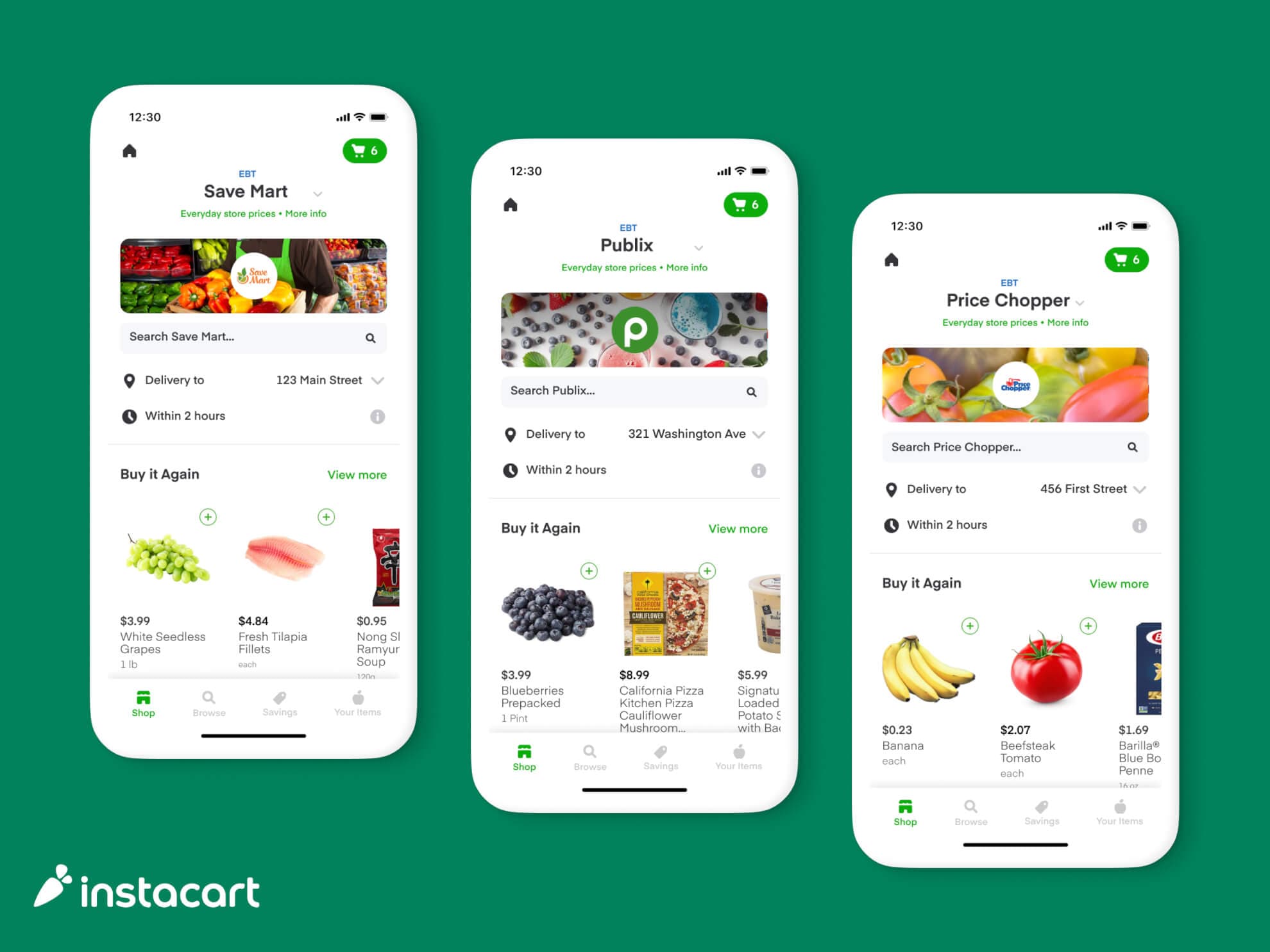
Together, the membership and monthly stipends are designed to help cover the cost of online grocery delivery — helping individuals and families more easily get nutritious food and essentials delivered directly to their door. In addition, Instacart and the City of Columbia will also work together to create a new virtual storefront for residents to help encourage nutritious shopping choices.
As Mayor Rickenmann said today: “The city has been working to combat food insecurity for years, so I am excited to try something new. We found a way to get groceries straight to the communities that have low-access without limiting choice, and I look forward to seeing how this partnership with Instacart reduces barriers in Columbia.”
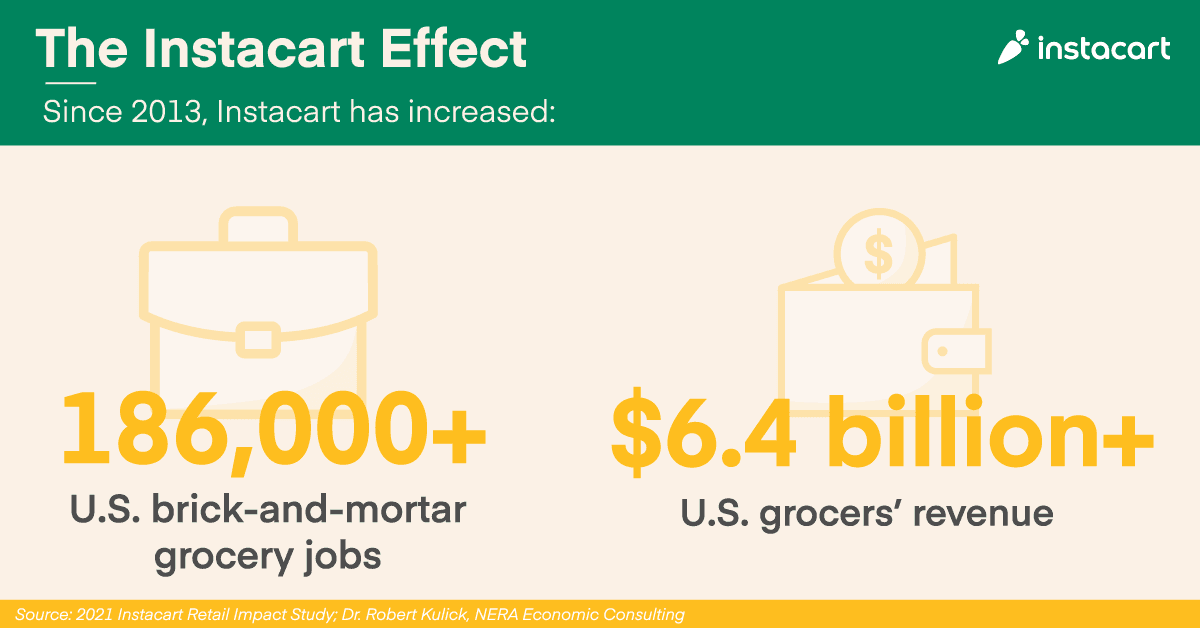
We’re excited about the road ahead, too, because we’ve seen the impact online grocery shopping and grocery delivery can have for families living with lower incomes. In fact, research published last year by No Kid Hungry, the University of Kentucky, and Instacart found that online grocery helps families with lower incomes manage and stretch their budgets, save time, and build healthy shopping habits. When combined with the fact that Instacart now reaches more than 93 percent of households in food deserts, we have an opportunity to make a real and lasting difference for families and communities that have historically struggled to access nutritious food.
We’re also excited about this partnership because we know city leaders like Mayor Rickenmann deeply understand the unique ways hunger and nutrition insecurity affect their communities. This collaboration showcases what’s possible when we bring together their unparalleled expertise with our private sector technology and infrastructure.
At Instacart, we believe public-private partnerships like these are key to expanding food access and, ultimately, improving health for individuals and families — and we’re ready to work with mayors across the country to do just that.

Casey Aden-Wansbury
Author
Casey Aden-Wansbury is Instacart's Vice President, Head of Global Public Policy, where she leads government relations, public engagement, policy development, research, and social impact for the leading grocery technology company in North America. Named one of the nation’s top lobbyists (National Institute for Lobbying & Ethics), Casey also serves on the boards of the Alliance to End Hunger and Flex. Before Instacart, Casey directed federal affairs at Airbnb, and she previously served for over a decade in the United States Senate, as a chief of staff and communications director.

Instacart Recommends
View most recent posts →