New University at Buffalo & Instacart Research: Making Healthy Choices Easier for Families

We believe that eating well should be simple, realistic, and accessible for every family. But for many households – especially those with young kids – healthy eating can be tough. Parents are short on time, kids can be picky eaters, and the easiest option isn’t always the most nutritious.
That’s why we’ve been working with leading researchers to explore how online grocery can be a tool that helps make the healthy choice, the easy choice. We partnered with the University at Buffalo (UB) on a study testing a simple idea: if we offer families with young children at risk for obesity nutritious recipes, and make the healthy choice the default choice while grocery shopping, would they adopt healthier habits? The findings, published today in Appetite, show that preloaded grocery carts do improve the nutritional quality of families’ grocery purchases.
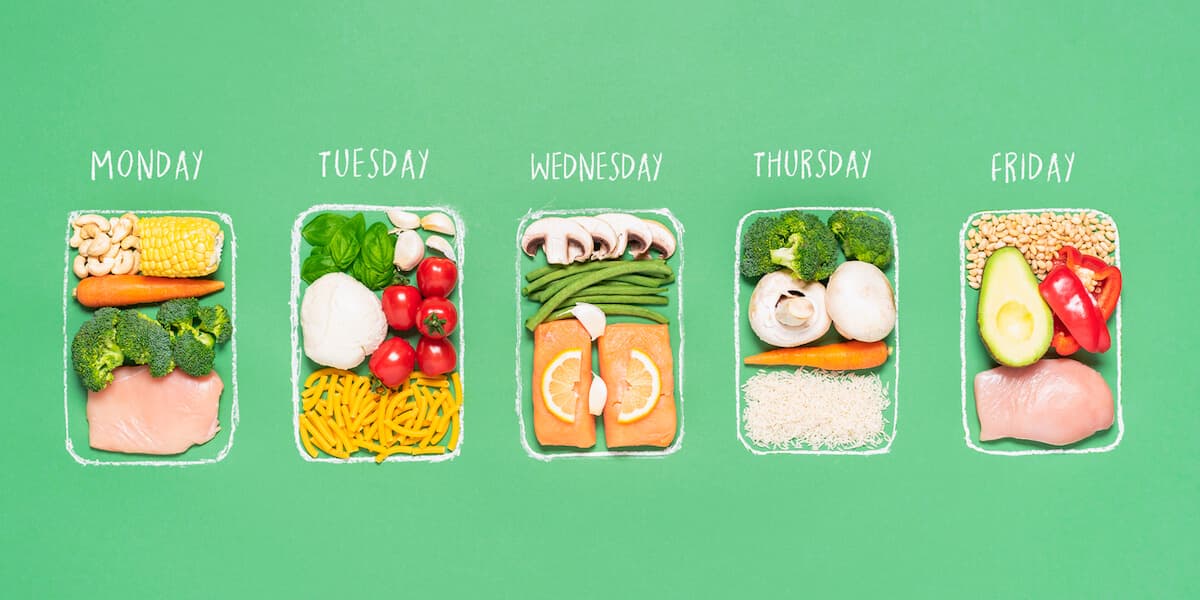
Led by Dr. Stephanie Anzman-Frasca and her team at the Child Health & Behavior Lab in the Jacobs School of Medicine and Biomedical Sciences at UB, the nearly two-year randomized controlled trial asked families with young children to shop online using Instacart. Every household received healthy, family-friendly recipes each week, and half of them also had their Instacart carts preloaded with the ingredients needed to make those meals.
All families paid for their groceries as usual, and those with preloaded carts were free to swap items, add their own, or remove anything they did not want. The results showed:
Families with preloaded carts purchased significantly more nutritious groceries compared to families who only received recipes.
Importantly, this improvement came without any increase in grocery costs.
Many parents reported becoming more mindful of what they were buying.
Early childhood is a critical window for shaping lifelong eating habits. Research shows that children who are overweight by age five are at greater risk of obesity and other diet-related chronic diseases later in life. This study provides real-world evidence that Instacart online grocery and delivery can act as a powerful public health tool. By setting healthier defaults, like preloading carts with nutritious ingredients, families made better food choices in a way that was convenient, cost-neutral, and sustainable.
Research from No Kid Hungry and the University of Kentucky also shows that online grocery helps low-income families stretch limited food budgets and increase the number of fruits and vegetables purchased – without increasing their total grocery bill. The UB study echoes this finding: across both groups, families actually spent less on groceries over the course of the study. Some participants even noted that it was eye-opening to see where their money was going. Features like the ability to track running totals in real-time on Instacart give families visibility into their carts in ways that traditional in-store shopping can’t, helping them make more informed decisions and stay on budget while still prioritizing nutritious food.
The research continues to show that Instacart’s technology can help families easily fill their carts with nutritious groceries. Today, any consumer can use Instacart tools to make more informed decisions while shopping – from customizable preferences with 14 dietary needs, 30 AI-driven Health Tags covering roughly half a million food and beverage products across our catalog, to Inspiration Pages, which the American Diabetes Association (ADA) uses to share expert-backed nutrition guidance and recipes. Partners like Thrive Global are also leveraging our publicly available Instacart Developer Platform (IDP) to make expert nutrition advice and recipes shoppable within their platforms with just a few taps. By offering tools like these, we’re helping design and scale programs that use Instacart to make the healthy choice the easy choice for families across the country.

Dr. Beatrice A. Abiero
Author
Dr. Beatrice A. Abiero is a Senior Manager of Policy Research at Instacart. She is passionate about researching health and food access and prides herself on being a creative and results-oriented thought leader. She manages external research partnerships, directs large-scale research studies, and engages in coalition building for Instacart’s Policy and Government Affairs team. Dr. Abiero leverages her extensive experience in social science research to provide actionable insights that inform Instacart’s policy and business development, ballot initiatives, and strategic priorities. Dr. Abiero earned a Dual-Title Ph.D. in Health Policy and Administration and Demography from the Pennsylvania State University.