25 Best Spring Fruits: Your Ultimate Seasonal Guide

Seasonal produce is often tastier and more affordable. On top of that, eating what’s in season is a great way to lower your carbon footprint. And while March, April and May still mean snow and freezing temperatures in many places, farmers in the warmer states are ready to send a bountiful crop to supermarkets all across the country. This year, give these spring fruits a chance to shine at your table.
1. Apricots
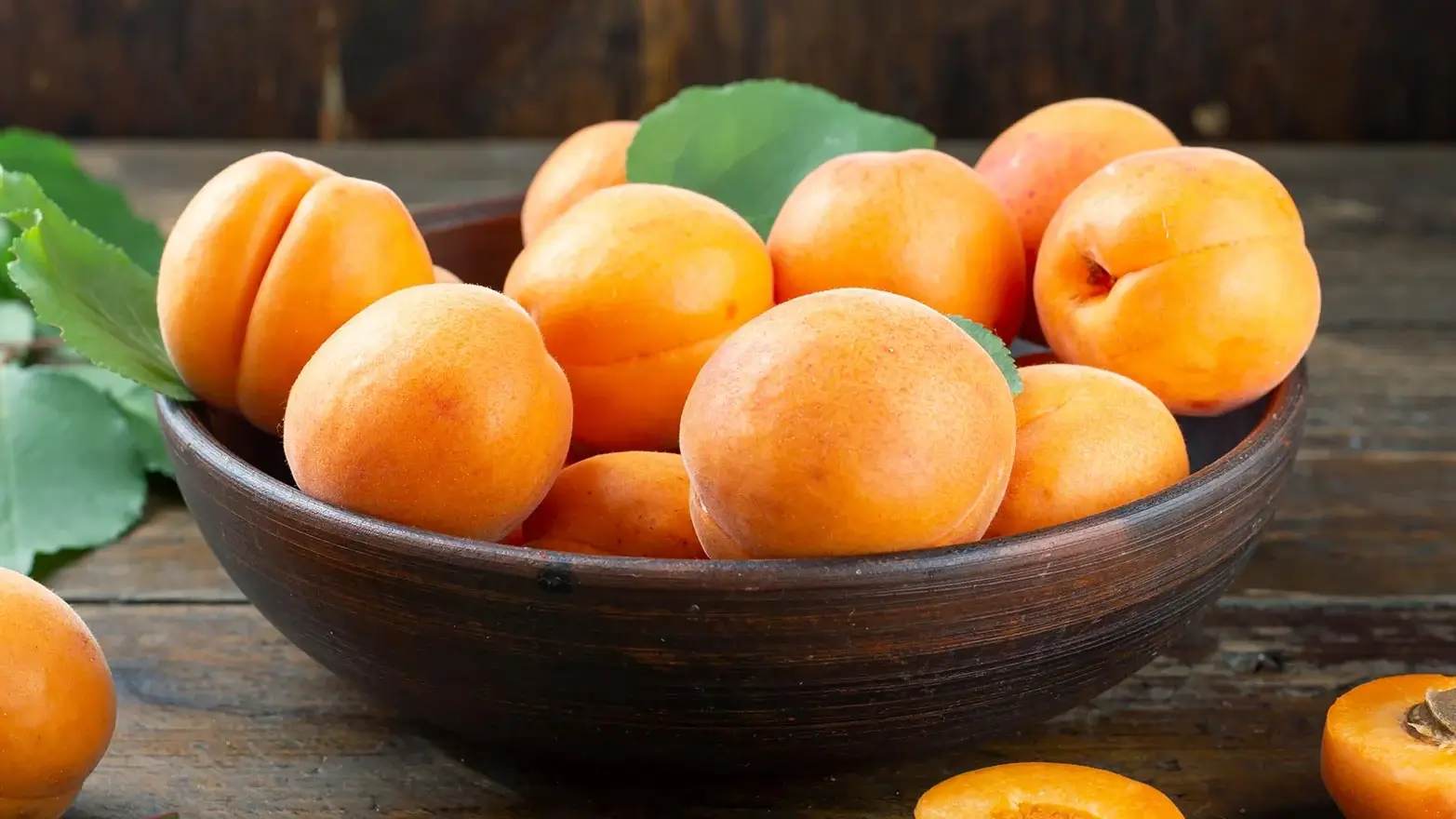
Apricots are delicate, fuzzy fruits that burst with a sweet-tart flavor. They're at their peak in late spring, as they don't ripen further after being picked, ensuring you get the sweetest and juiciest experience.
Peak season:
- May-July
What to look for:
- Plump, slightly soft fruits
- A vibrant golden-orange color
- Avoid fruits with green spots (underripe) or bruises
How to store:
- Store ripe apricots at room temperature for a couple of days
- For longer storage, refrigerate them for up to a week
Shelf life:
- A few days at room temperature
- Up to one week when refrigerated
Recipes:
2. Avocado
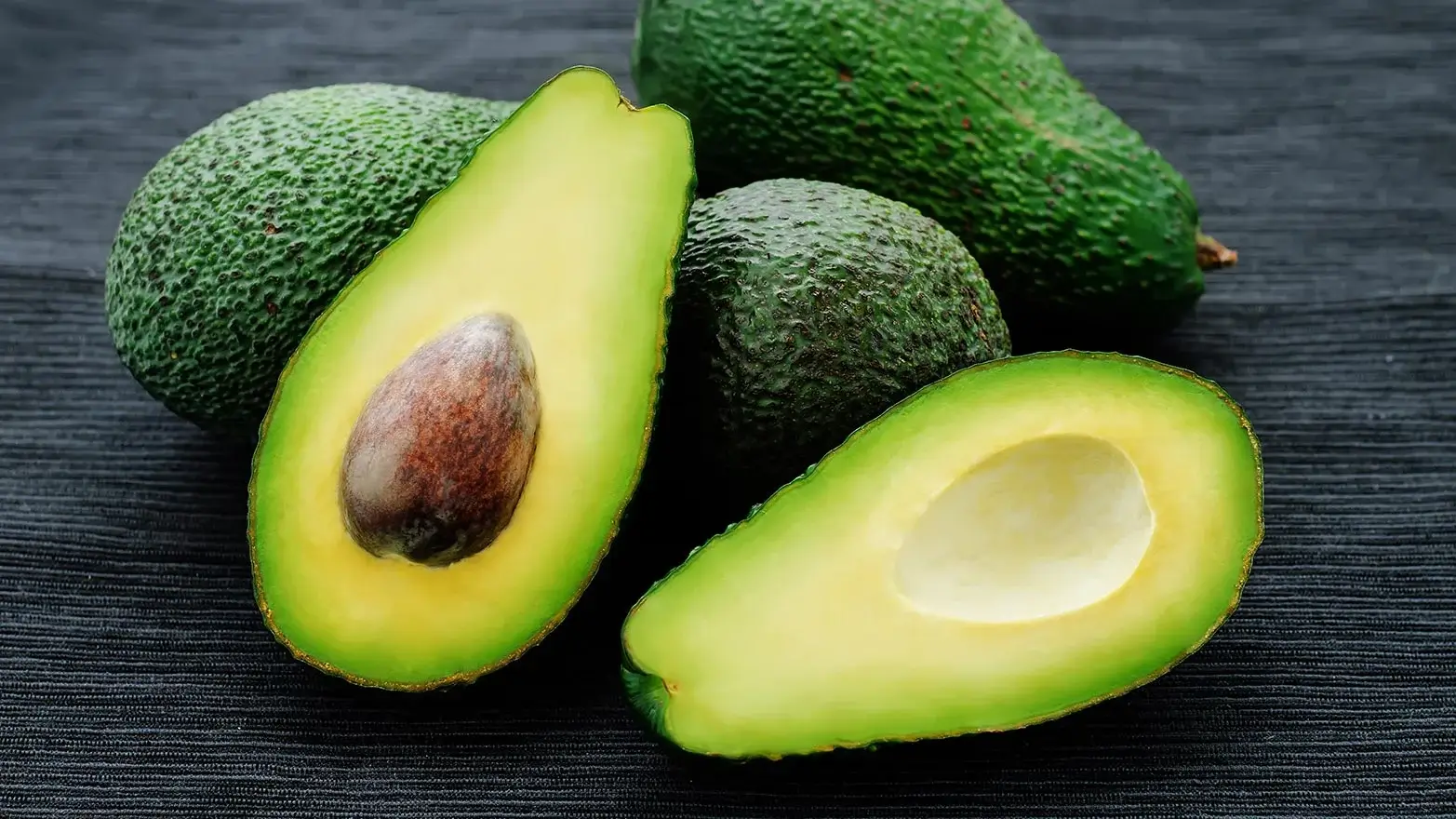
Though they’re available year-round, avocados are at their peak in early spring. Their creamy texture and rich flavor make them a versatile addition to many dishes, from toast to salads. Knowing how to select, store and ripen avocados ensures you enjoy them at their best.
Peak season:
- April-August
What to look for:
- Yielding to gentle pressure but not overly soft
- Darker skin for Hass avocados, indicating ripeness
- Avoid fruit with large dents or cuts
How to store:
- Store ripe avocados at room temperature for immediate consumption
- Refrigerate ripe avocados to slow down the ripening process
- To ripen a hard avocado, place it in a paper bag with a banana or apple
Shelf life:
- A few days at room temperature
- Up to a week in the refrigerator
Recipes:
- Baked eggs in avocado
- Breakfast tacos with avocado lime crema
- Avocado pudding with almond milk and honey
3. Bananas
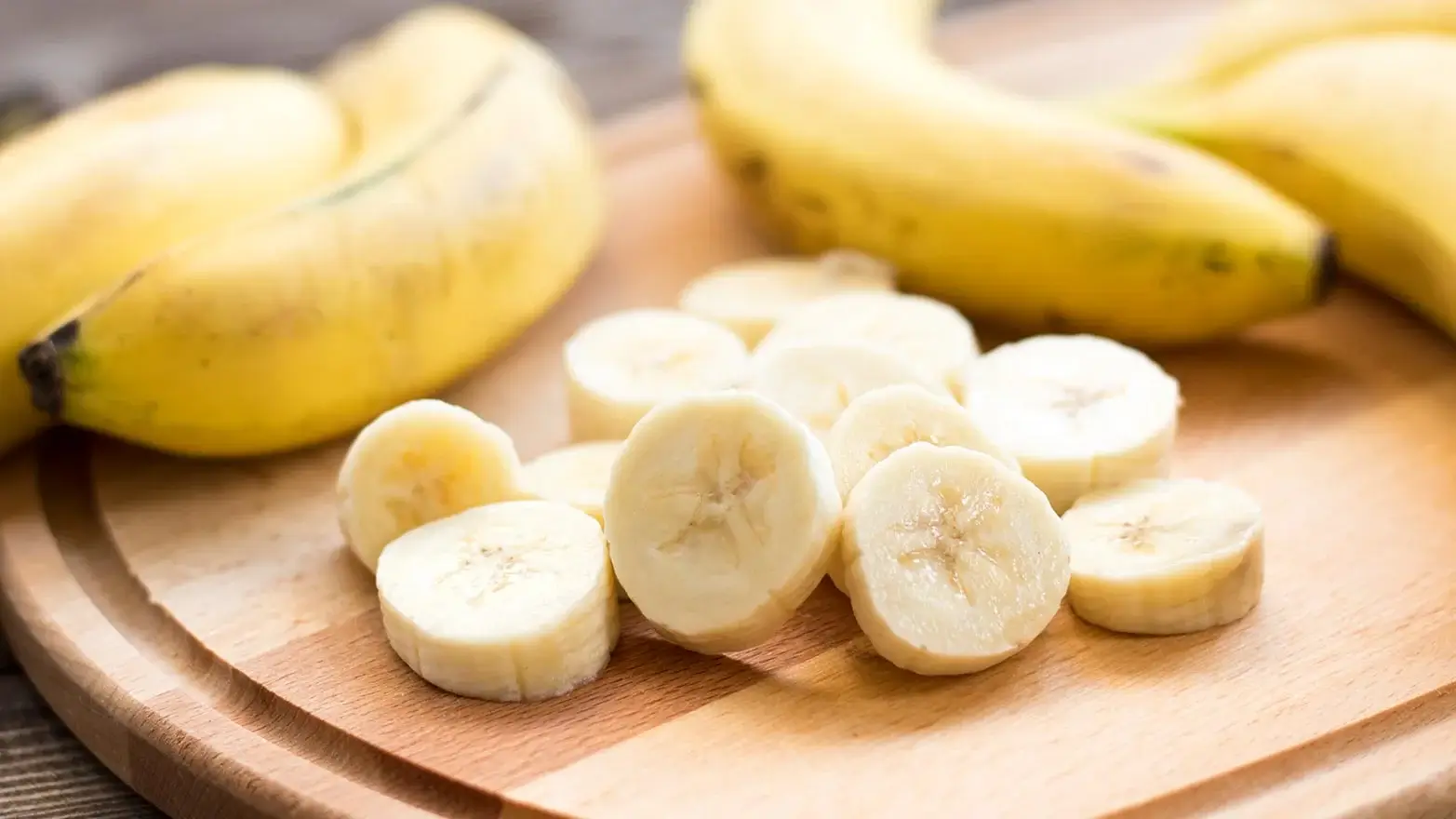
Bananas are a constant presence in the spring fruit lineup, offering a reliable source of sweetness and nutrients. While available year-round, they complement the seasonal variety of spring fruits perfectly, providing a familiar base for smoothies, salads and snacks.
Peak season:
- Year-round availability, complementing the spring harvest
What to look for:
- Plump bananas with firm peels
- Avoid bananas with extensive bruising or dark spots
- Green tips indicate they are less ripe, allowing you to choose how quickly they ripen during the spring months
How to store:
- Store at room temperature until ripe, alongside other spring fruits on your counter
- To slow ripening, refrigerate ripe bananas
Shelf life:
- Several days at room temperature
- A few additional days when refrigerated after ripening
Recipes:
4. Blackberries
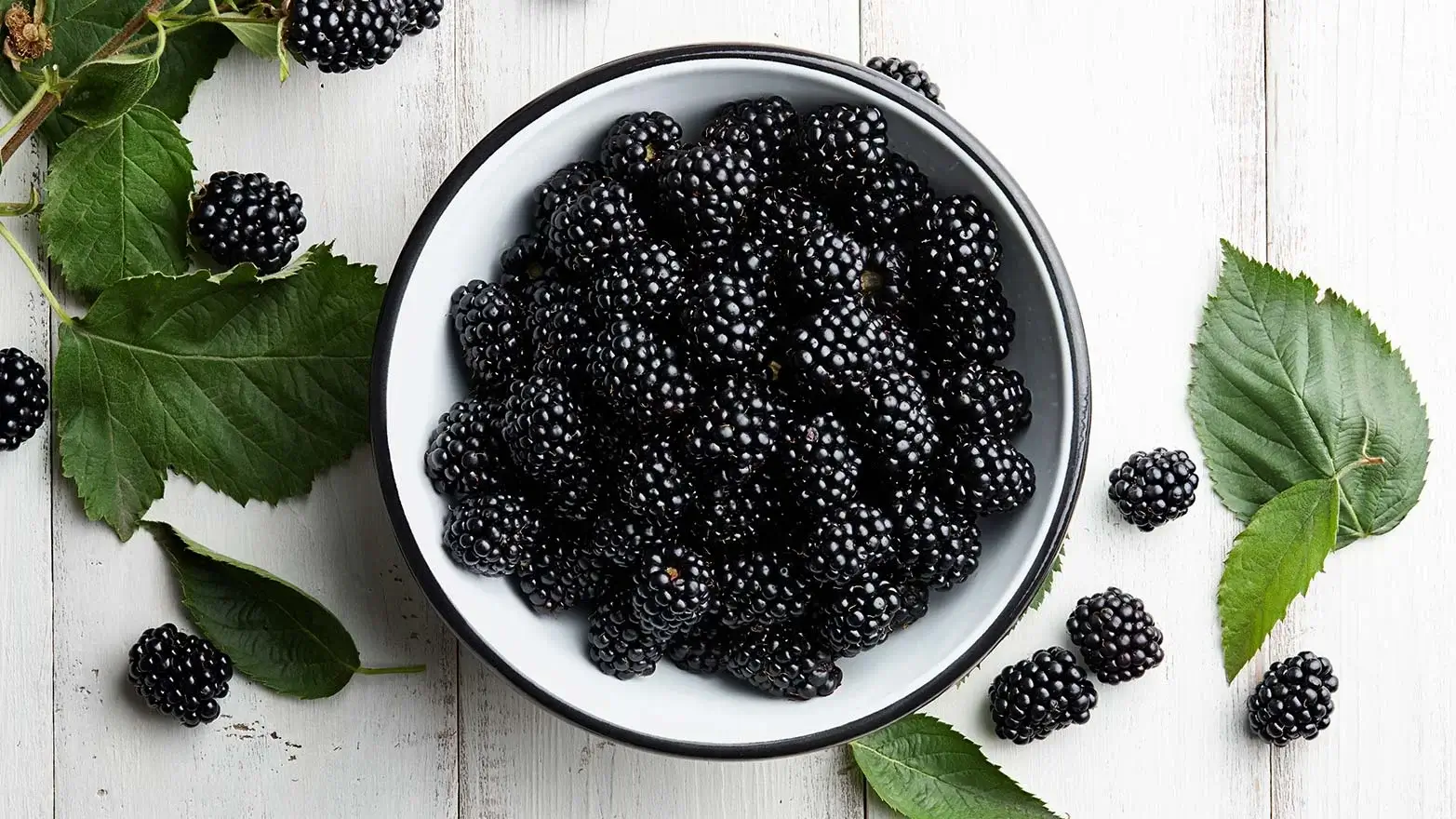
Blackberries have a burst of sweet-tart flavor, signaling the start of berry season. Their deep, dark hue and juicy texture make them a delightful addition to spring desserts and snacks. The earliest harvests begin in warmer climates.
Peak season:
- March-August
What to look for:
- Plump, firm berries with a deep black color
- Avoid berries that are leaking or moldy
- Look for berries that are dry and not mushy
How to store:
- Refrigerate unwashed blackberries in a single layer to prevent crushing
- Wash before eating
Shelf life:
- A few days in the refrigerator
Recipes:
5. Blueberries
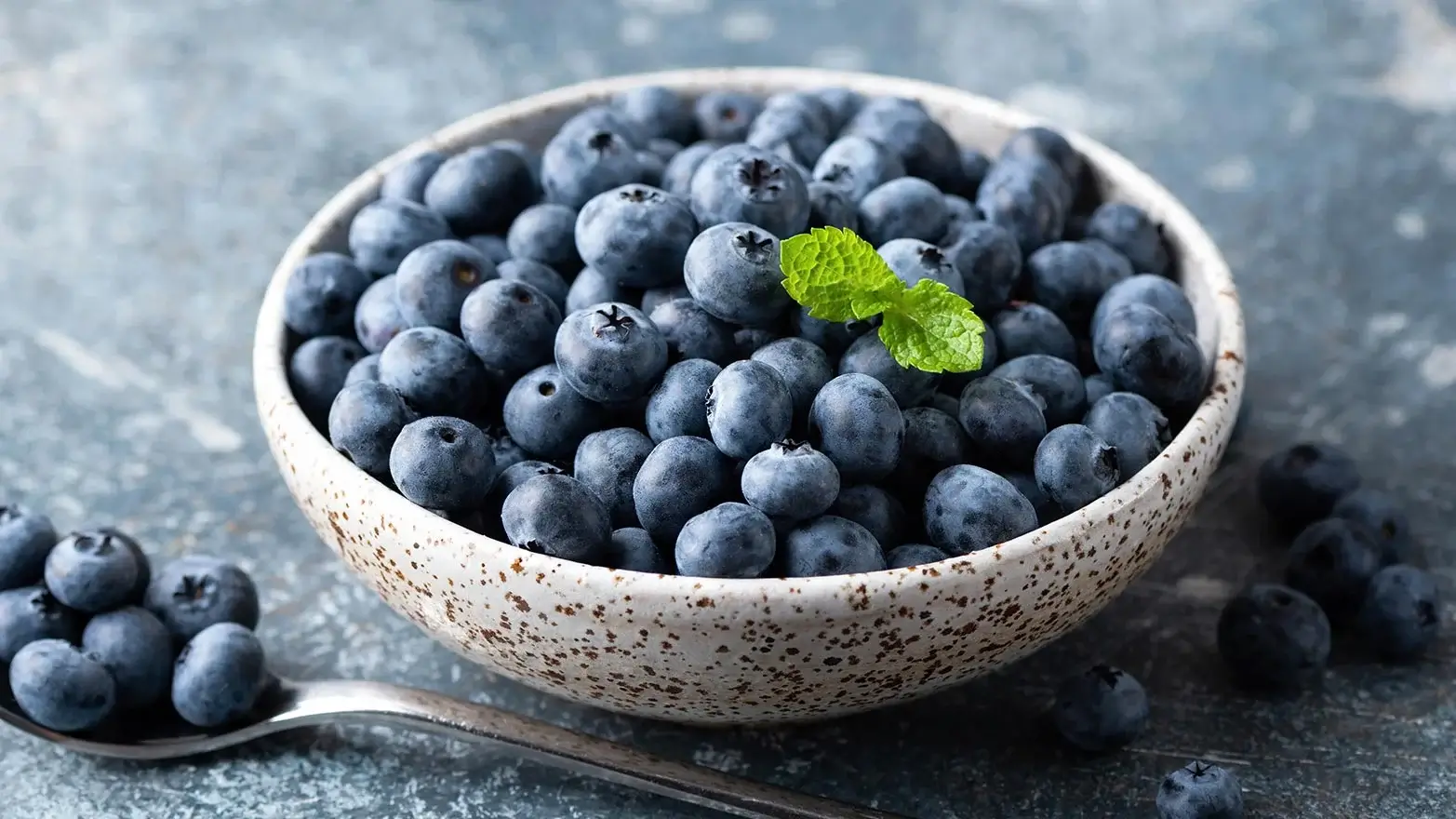
Blueberries are another early spring fruit with a sweet and slightly tart flavor. These small, vibrant berries add sweetness to breakfast, snacks and desserts, and their early harvests signal the start of warmer days.
Peak season:
- May-July
What to look for:
- Plump, firm berries with a deep blue color
- Avoid berries that are leaking or moldy
- Look for a powdery white coating called a bloom; this is natural and shows freshness
How to store:
- Refrigerate unwashed blueberries in a single layer to prevent crushing
- Wash before eating
Shelf life:
- A few days in the refrigerator
Recipes:
6. Caimitos
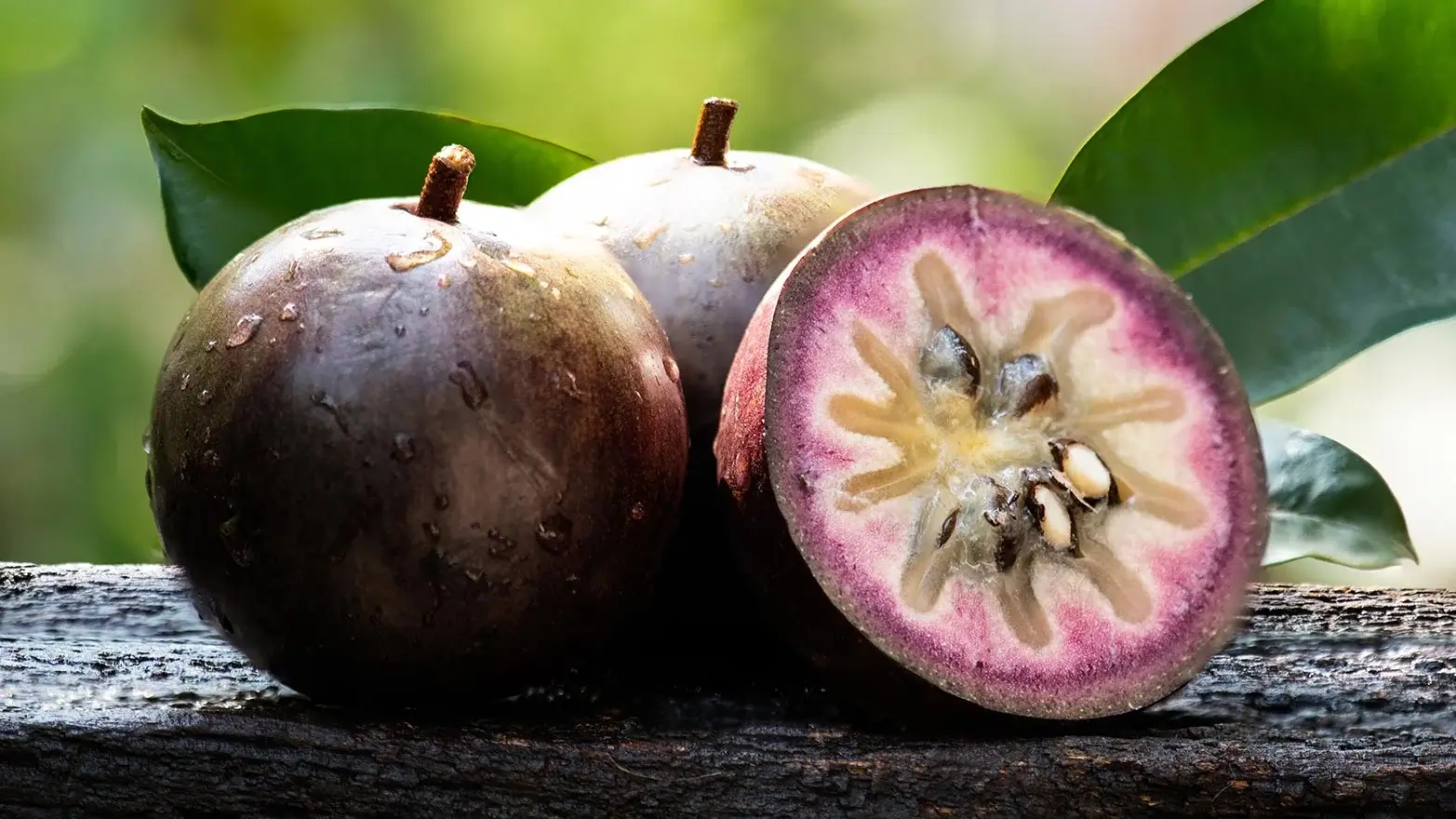
Caimito, also known as star apple, is a rather unusual fruit that tastes sweet and creamy. When sliced, it reveals a distinctive star-shaped pattern inside. It’s in season all spring long.
Peak season:
- February-May
What to look for:
- Choose firm fruits with smooth, unblemished skin
- Color can vary from green to purple depending on the variety
How to store:
- Store ripe caimitos at room temperature for a few days
- Refrigerate for up to one week
Shelf life:
- A few days at room temperature
- Up to one week in the refrigerator
Recipes:
7. Cantaloupe
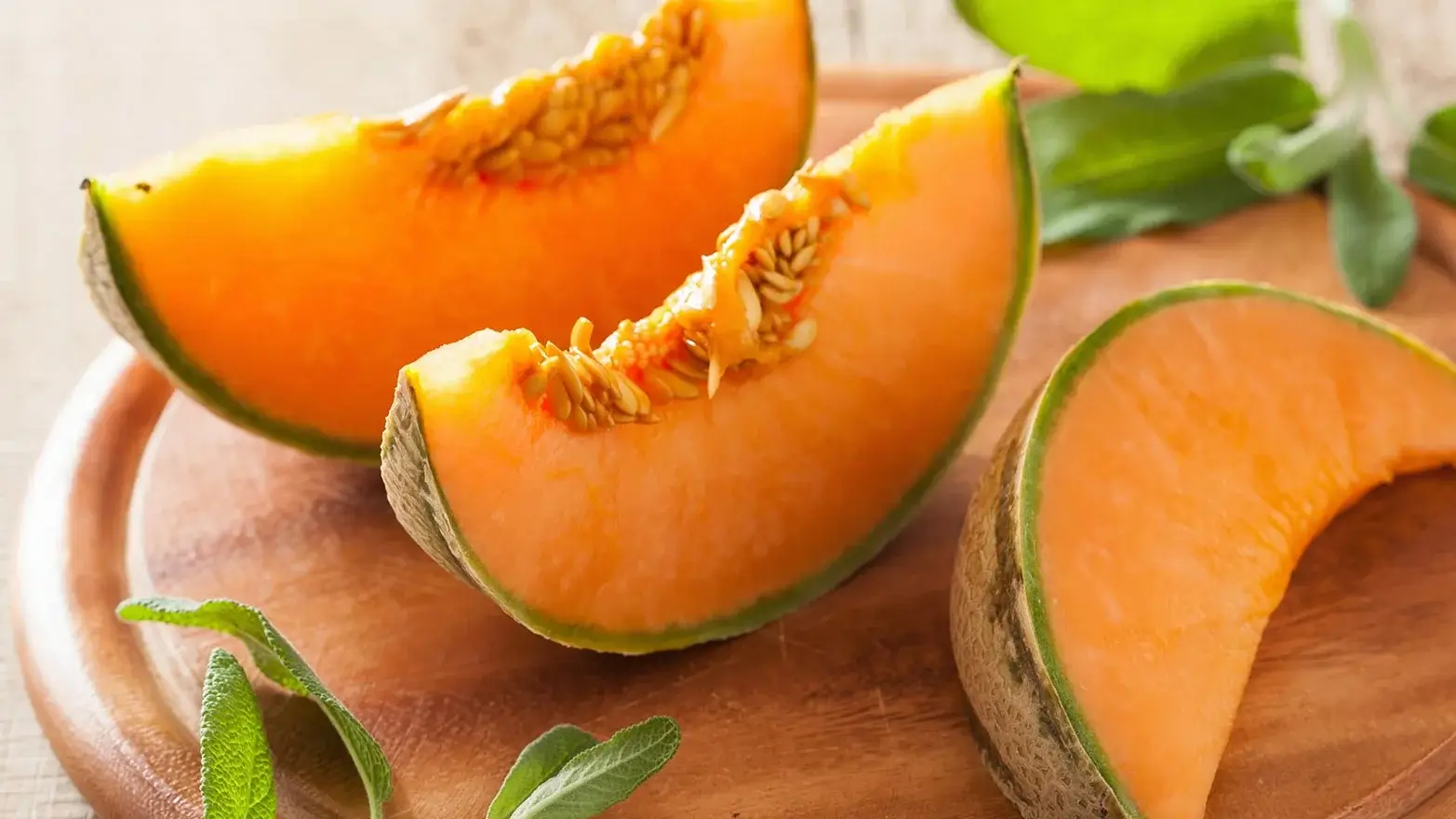
Cantaloupe, with its sweet, juicy orange flesh, is a refreshing sign of spring's arrival. Its fragrant aroma and high water content make it a hydrating choice as temperatures rise. The first harvests from warmer regions appear in early spring, transitioning into peak season.
Peak season:
- April-June
What to look for:
- Choose cantaloupes that feel heavy for their size
- A fragrant aroma
- A slight give at the stem end indicates ripeness
How to store:
- Store ripe cantaloupes in the refrigerator
- Unripe cantaloupes can be left at room temperature to ripen
Shelf life:
- Cut: 3-5 days
- Uncut: 5-10 days
Recipes:
8. Cherimoyas
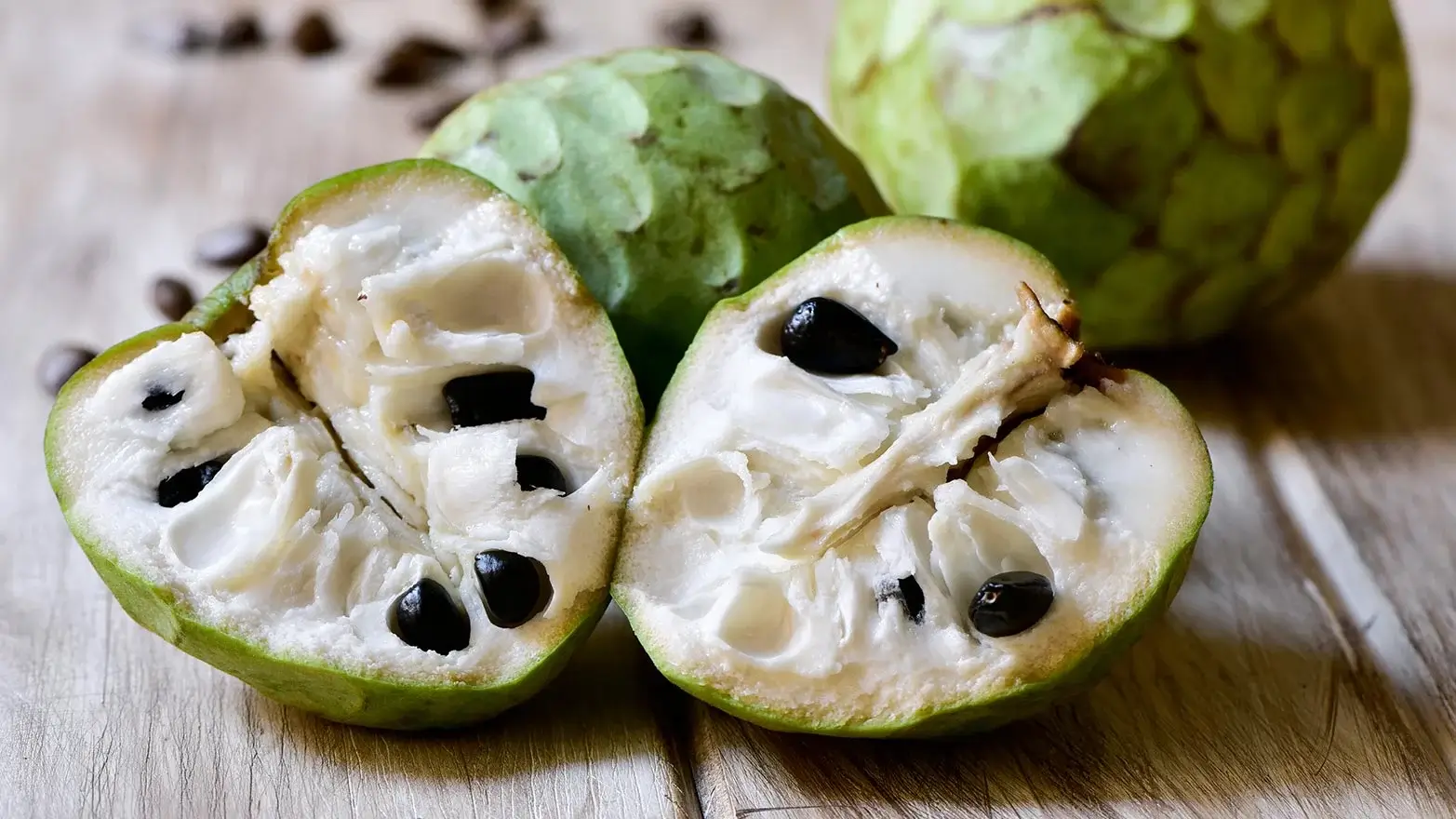
With their creamy, custard-like flesh and sweet, tropical flavor, cherimoyas are a unique spring delicacy. Often described as having a blend of banana, pineapple and strawberry notes, this fruit offers a truly exceptional tasting experience.
Peak season:
- March-May
What to look for:
- Choose cherimoyas that are slightly soft to the touch but not mushy
- Look for green skin with a slight yellowish tinge as it ripens
- Avoid fruits with brown spots or blemishes
How to store:
- Ripe cherimoyas should be stored in the refrigerator
- To ripen, leave them at room temperature away from direct sunlight
Shelf life:
- A few days in the refrigerator once ripe
Recipes:
9. Cherries
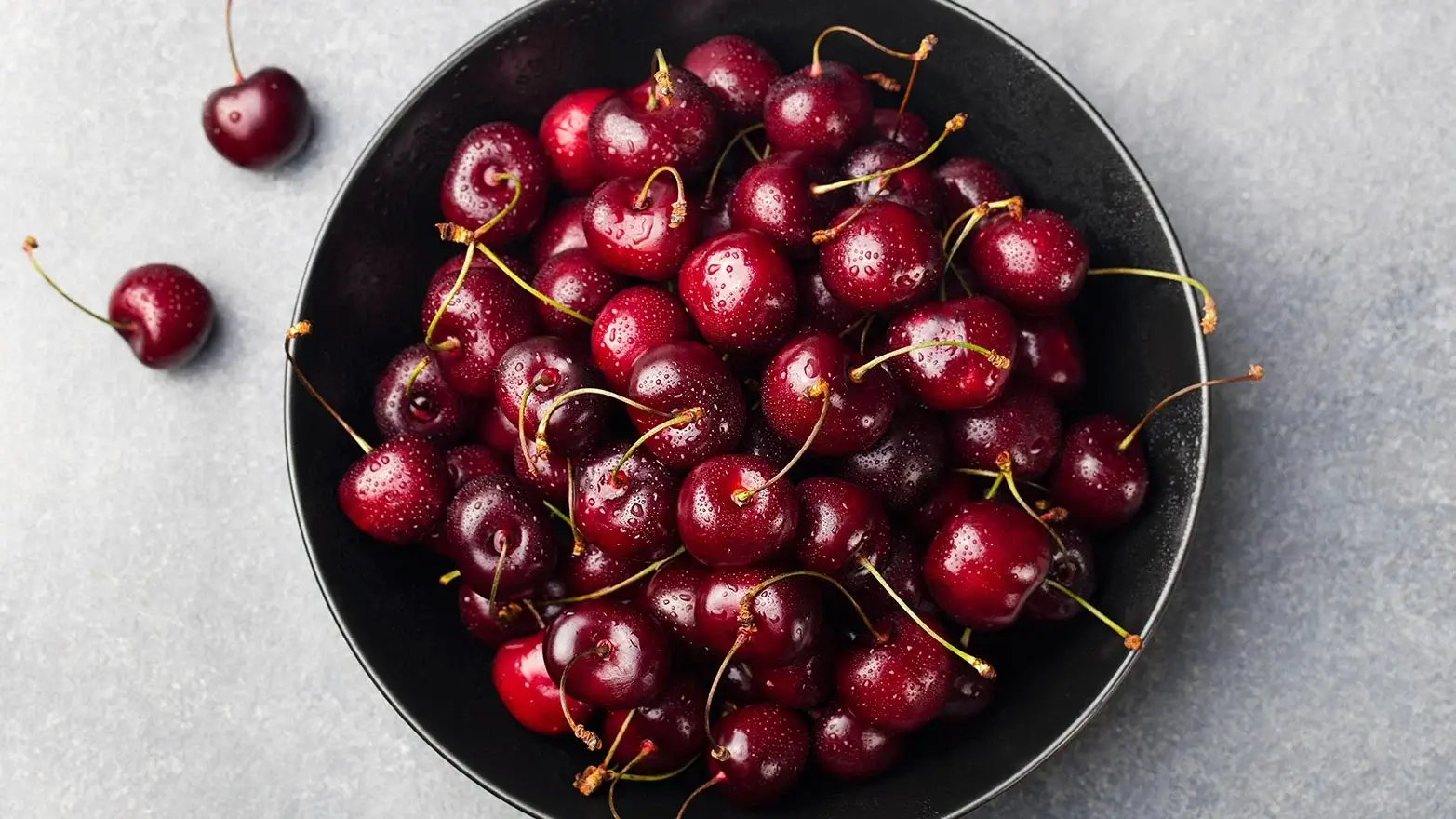
Cherries have a vibrant red hue and sweet-tart flavor, making them a quintessential spring fruit. Their juicy texture and versatility make them perfect for snacking, baking and even salad toppings.
Peak season:
- May-June
What to look for:
- Choose cherries that are plump and firm with a deep red color
- The stems should be green and attached
How to store:
- Store unwashed cherries in the refrigerator
- Wash before eating
Shelf life:
- A few days in the refrigerator
Recipes:
10. Grapefruit
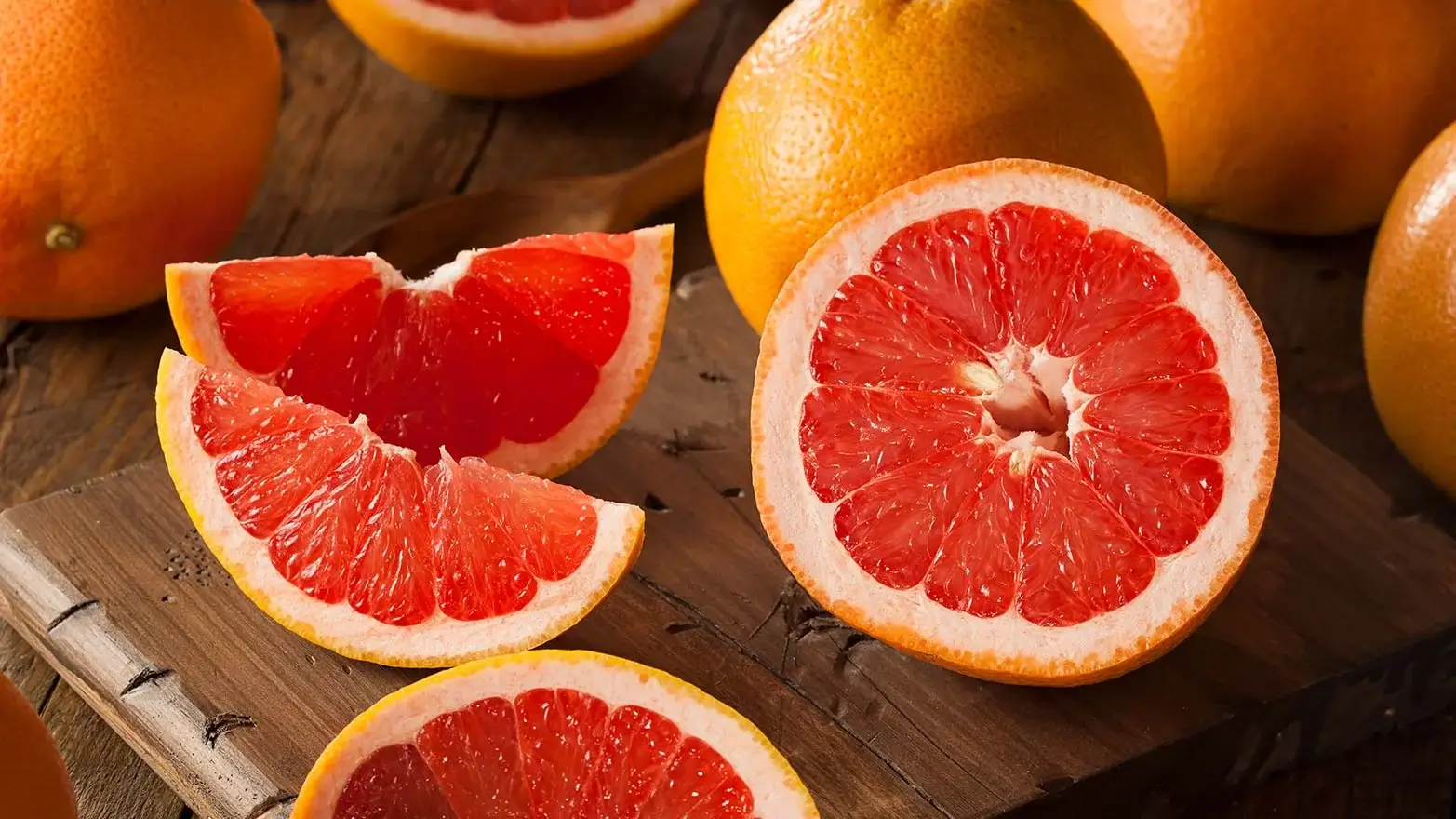
Grapefruit is a citrus fruit that shines in the spring. Its tangy and slightly bitter flavor makes it a refreshing choice as the weather warms.
Peak season:
- January-May
What to look for:
- Choose grapefruits that feel heavy for their size
- Look for smooth, thin skin
- Avoid fruit with soft spots
How to store:
- Store grapefruits at room temperature or in the refrigerator
Shelf life:
- Up to two weeks at room temperature or longer in the refrigerator
Recipes:
11. Kiwis
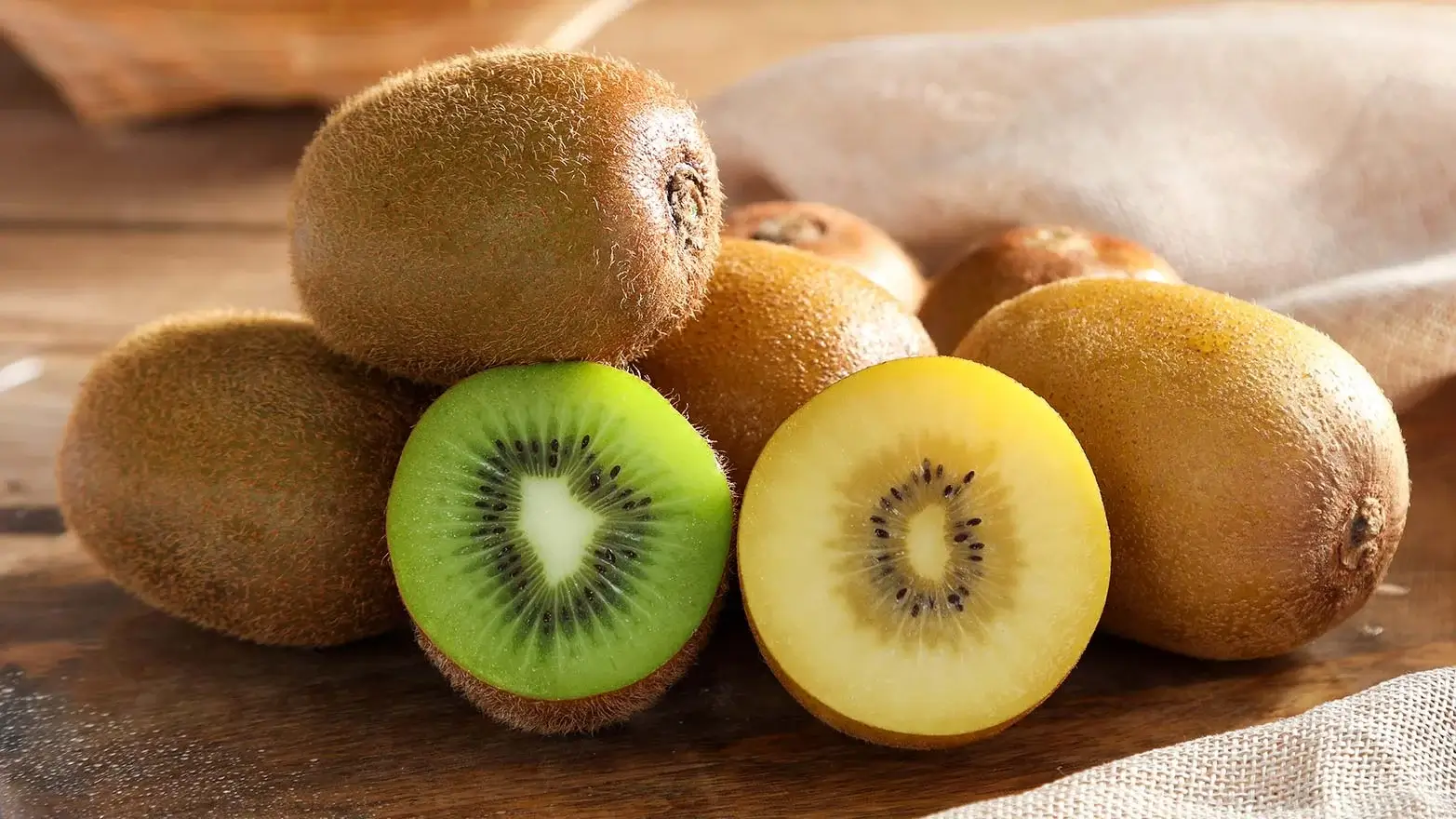
Kiwis, with their vibrant green flesh and unique sweet-tart flavor, are a refreshing addition to spring. Packed with vitamin C, they're a delicious way to welcome the warmer season.
Peak season:
- March-May
What to look for:
- Choose kiwis that are firm but slightly yielding to the touch
- Avoid kiwis with bruises or wrinkles
How to store:
- Store unripe kiwis at room temperature to ripen
- Once ripe, store them in the refrigerator
Shelf life:
- Up to one week in the refrigerator
Recipes:
12. Kumquats
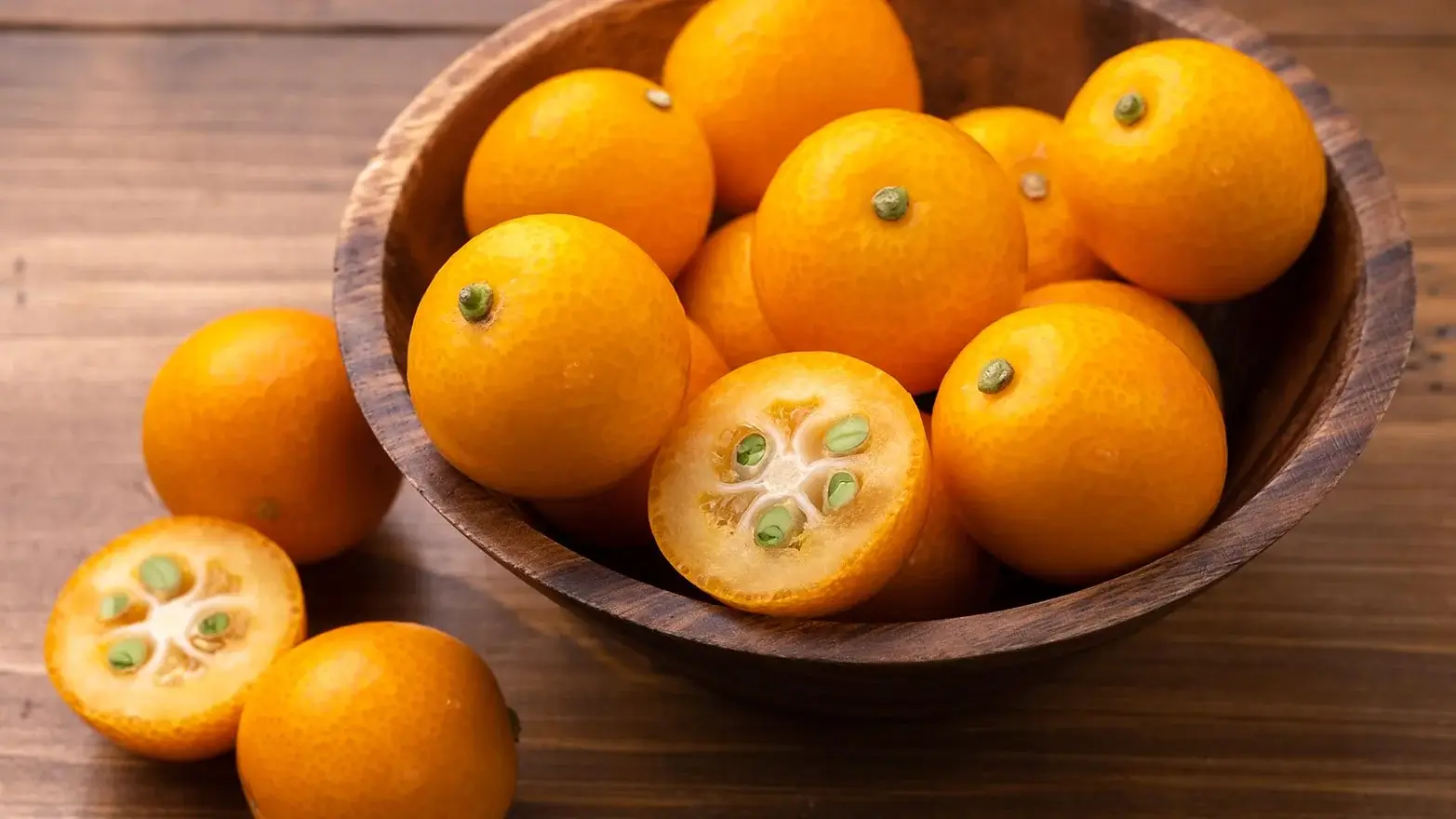
Although they look like small, elongated oranges, kumquats have a unique flavor profile. The entire fruit is edible, including the peel, with a sweet rind and tart flesh. They’re at their juiciest in early to mid-spring.
Peak season:
- January-April
What to look for:
- Choose kumquats that are firm, plump and bright orange
- Avoid those with soft spots or wrinkles
How to store:
- Store kumquats at room temperature or in the refrigerator
Shelf life:
- Up to two weeks at room temperature or longer in the refrigerator
Recipes:
13. Lemons
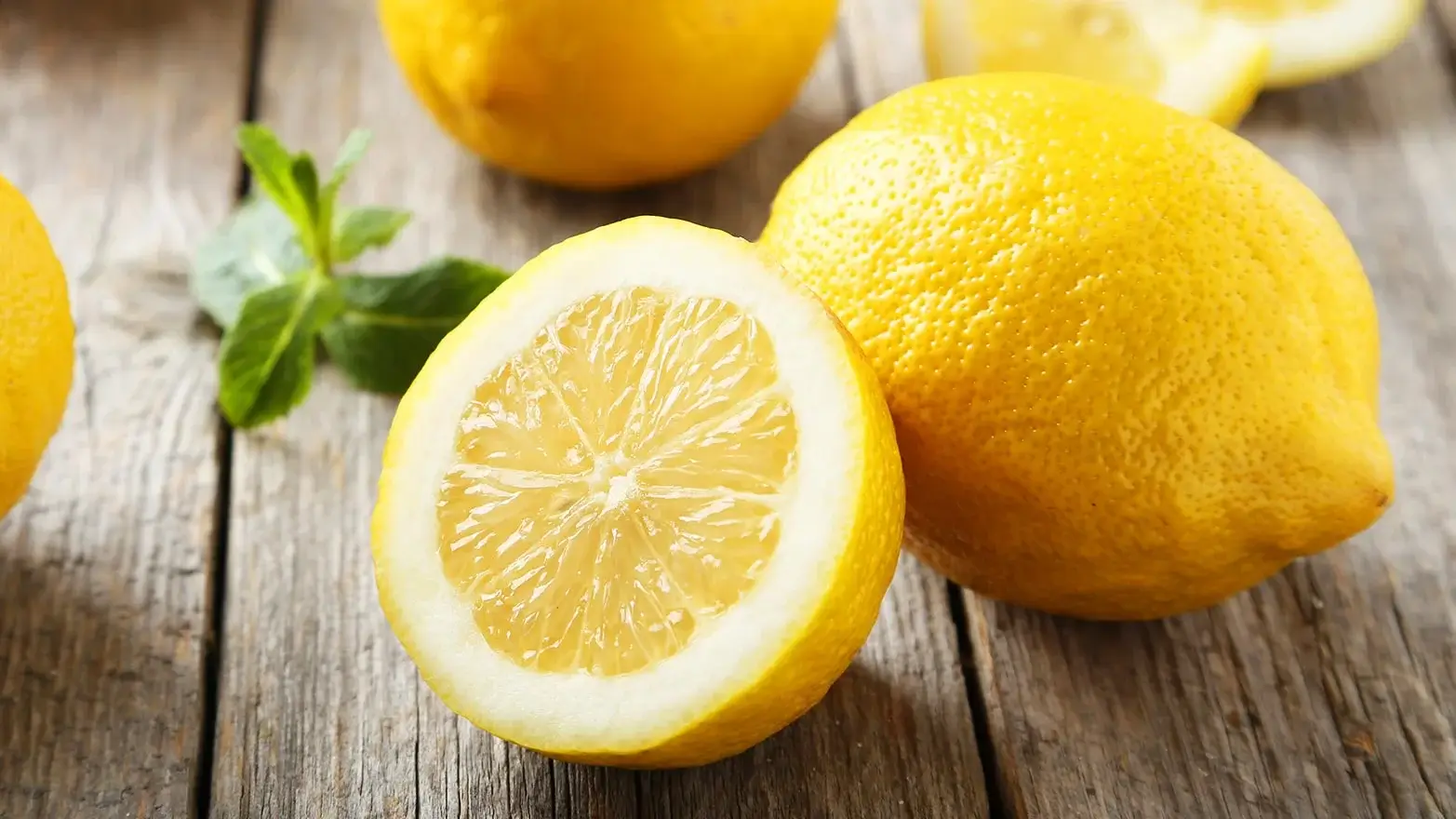
Lemons are a versatile citrus fruit with a bright, tart flavor that adds zing to countless spring recipes. Their juice, zest and even pulp enhance both sweet and savory dishes, making them a kitchen essential throughout the season.
Peak season:
- Year-round
What to look for:
- Choose lemons that are firm, plump and bright yellow
- Avoid those with soft spots or wrinkles
How to store:
- Store lemons at room temperature or in the refrigerator
Shelf life:
- Up to two weeks at room temperature or longer in the refrigerator
Recipes:
14. Limes
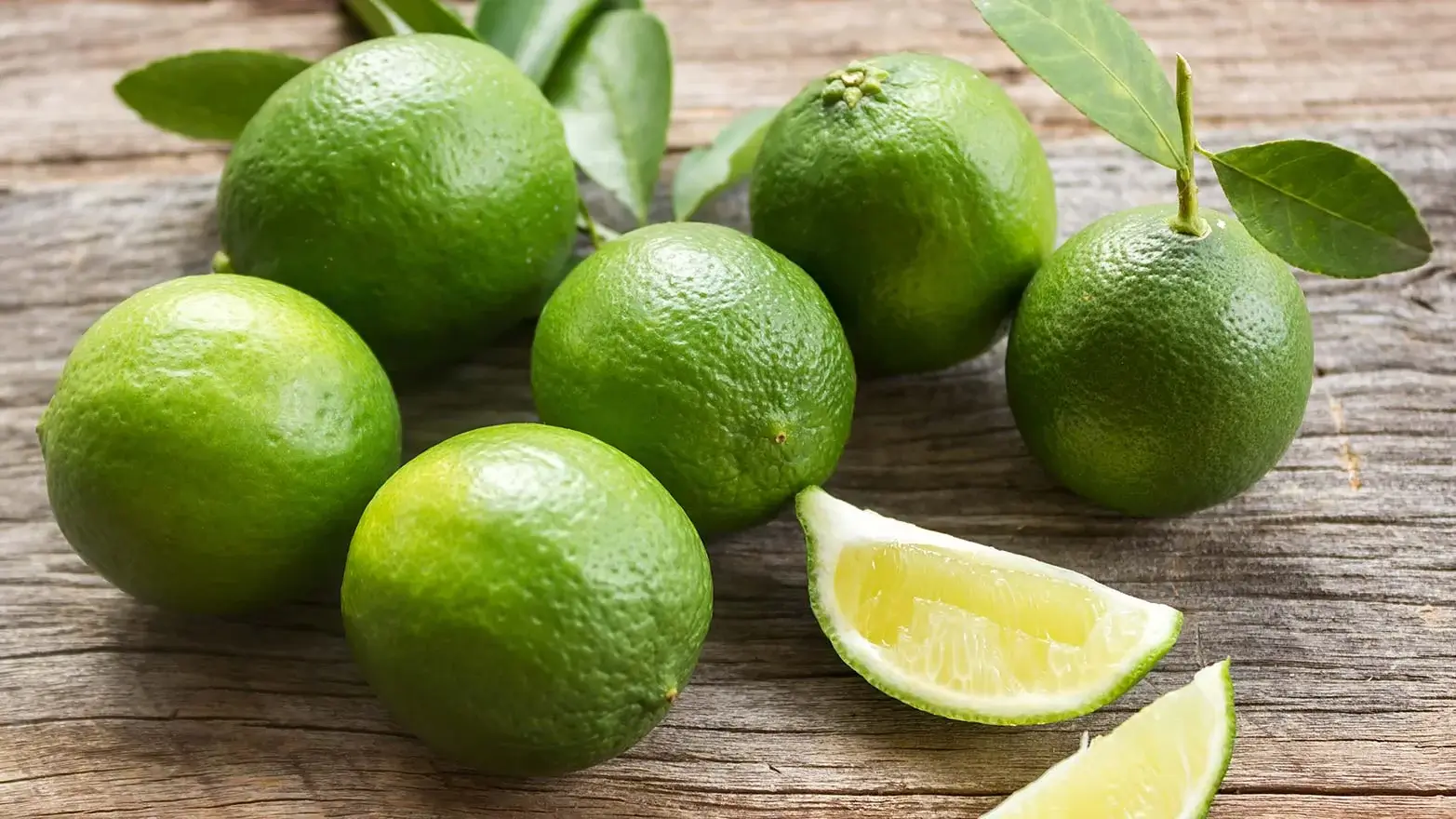
Fresh limes are a staple fruit during the spring season. Look for the small, firm, glossy ones — they’re the most flavorful. Transform your chicken dishe with lime-infused couscous or whip up a zesty key lime pie — the options are endless.
Peak season:
- Year-round
What to look for:
- Choose limes that are firm, heavy for their size and have smooth, glossy skin
- Avoid limes with soft spots, wrinkles or discoloration
How to store:
- Store limes at room temperature or in the refrigerator
Shelf life:
- Up to two weeks at room temperature or longer in the refrigerator
Recipes:
15. Loquats
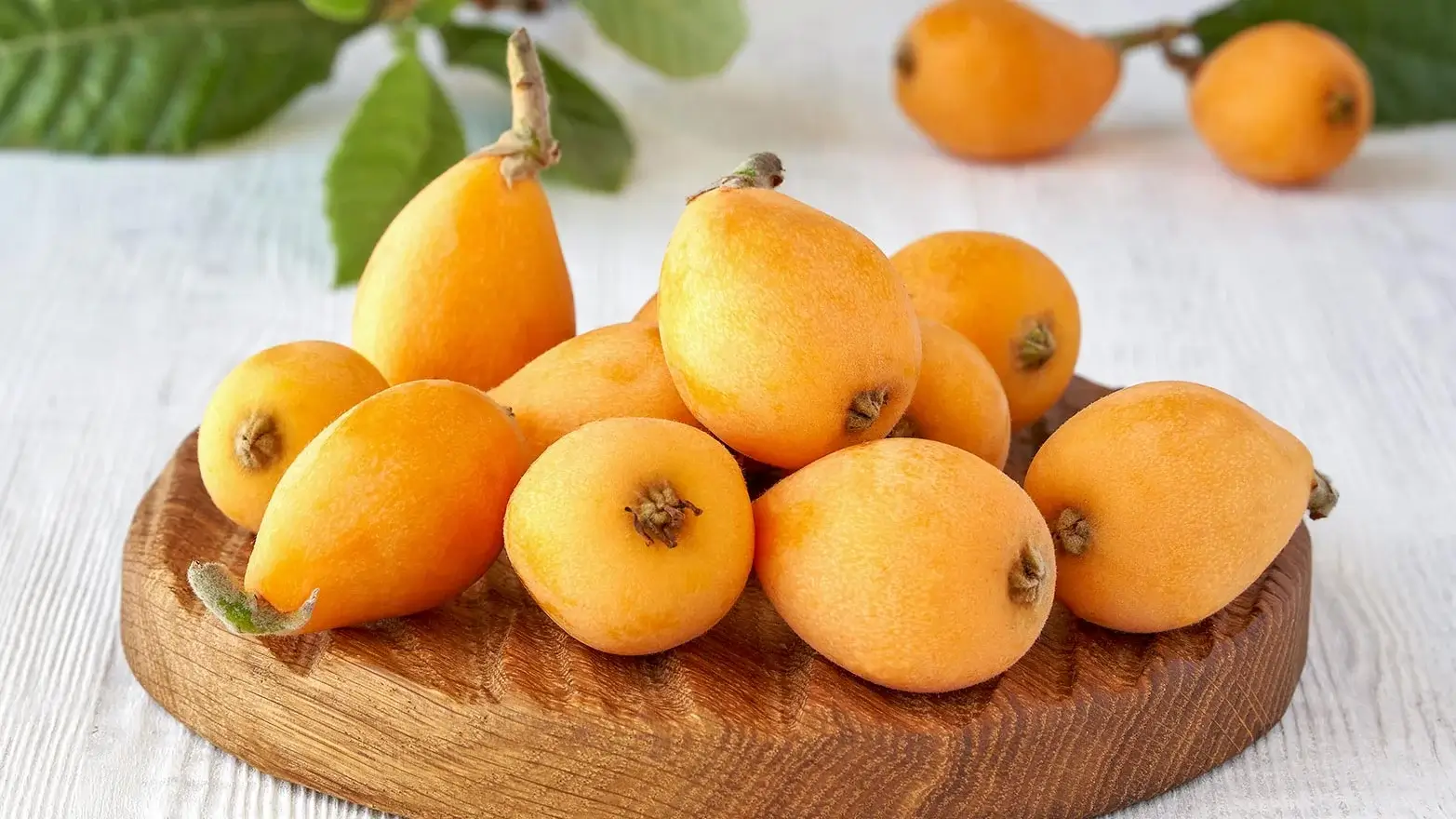
Loquats are a delightful spring fruit with a unique sweet and tangy flavor. This fruit is often compared to a blend of apricot, plum and cherry. Their golden-yellow color and delicate texture make them a welcome addition to spring fruit platters and desserts.
Peak season:
- March-May
What to look for:
- Choose loquats that are plump and slightly soft to the touch
- Look for a bright yellow to orange color
- Avoid those with bruises or blemishes
How to store:
- Store ripe loquats in the refrigerator
Shelf life:
- A few days in the refrigerator
Recipes:
16. Mandarins
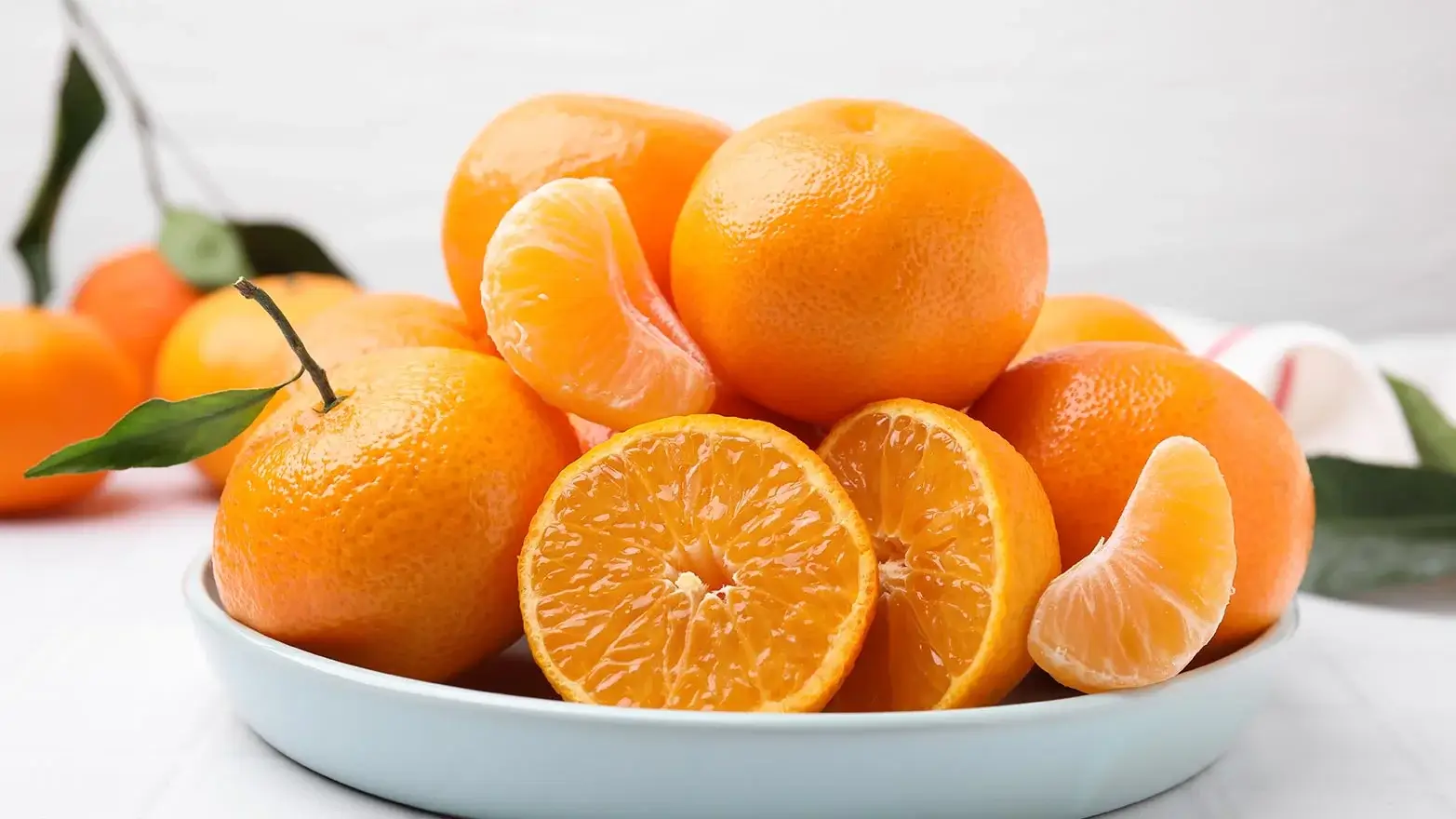
Mandarins are a popular spring citrus fruit with easy-to-peel skin and sweet, juicy segments. Their refreshing flavor and portability make them a perfect on-the-go snack or a delightful addition to salads and desserts.
Peak season:
- March-May
What to look for:
- Choose mandarins that feel heavy for their size
- Look for those with a bright orange color and a fragrant aroma
- Avoid those with soft spots or wrinkles
How to store:
- Store mandarins at room temperature or in the refrigerator
Shelf life:
- Up to one week at room temperature or longer in the refrigerator
Recipes:
17. Nectarines
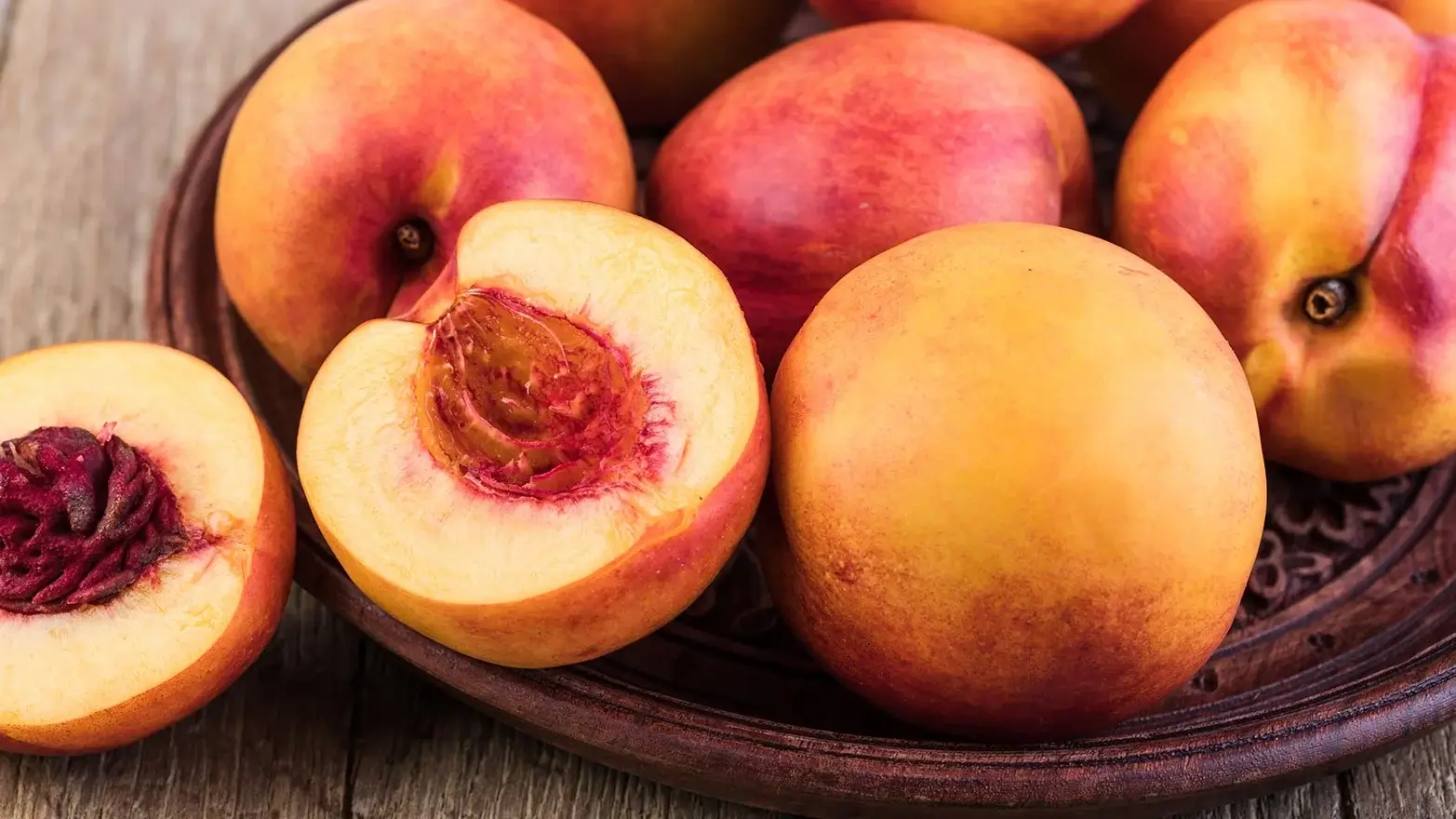
This bald fruit has more of a bite to it than its cousin, the fuzzy peach. Nectarines' firm texture makes them ideal for snacking, grilling or adding to salads. Look for them to hit shelves in early spring.
Peak season:
- May-June
What to look for:
- Choose nectarines that are firm but slightly yielding to the touch
- Look for a vibrant yellow or red color, depending on the variety
- Avoid those with bruises or soft spots
How to store:
- Store unripe nectarines at room temperature to ripen
- Once ripe, store them in the refrigerator
Shelf life:
- A few days at room temperature or up to a week in the refrigerator
Recipes:
18. Oranges
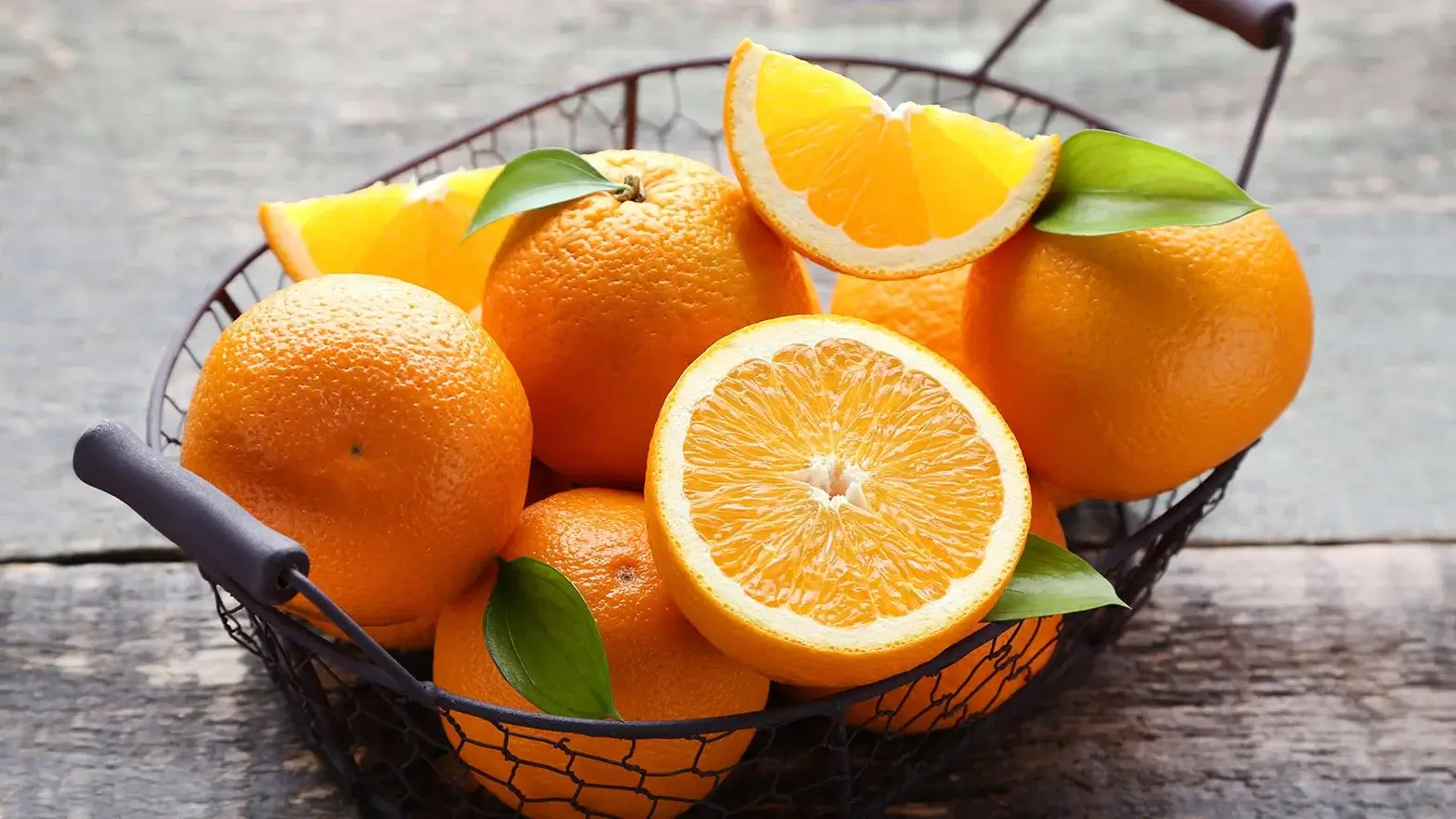
Oranges, a classic citrus fruit, are a staple in many kitchens, and their peak season extends into spring. Whether you want to eat them fresh or juice them, oranges are perfect for a variety of recipes.
Peak season:
- December-April
What to look for:
- Choose oranges that feel heavy for their size
- Look for those with a bright orange color and smooth, firm skin
- Avoid those with soft spots or wrinkles
How to store:
- Store oranges at room temperature or in the refrigerator
Shelf life:
- Up to two weeks at room temperature or longer in the refrigerator
Recipes:
19. Pears
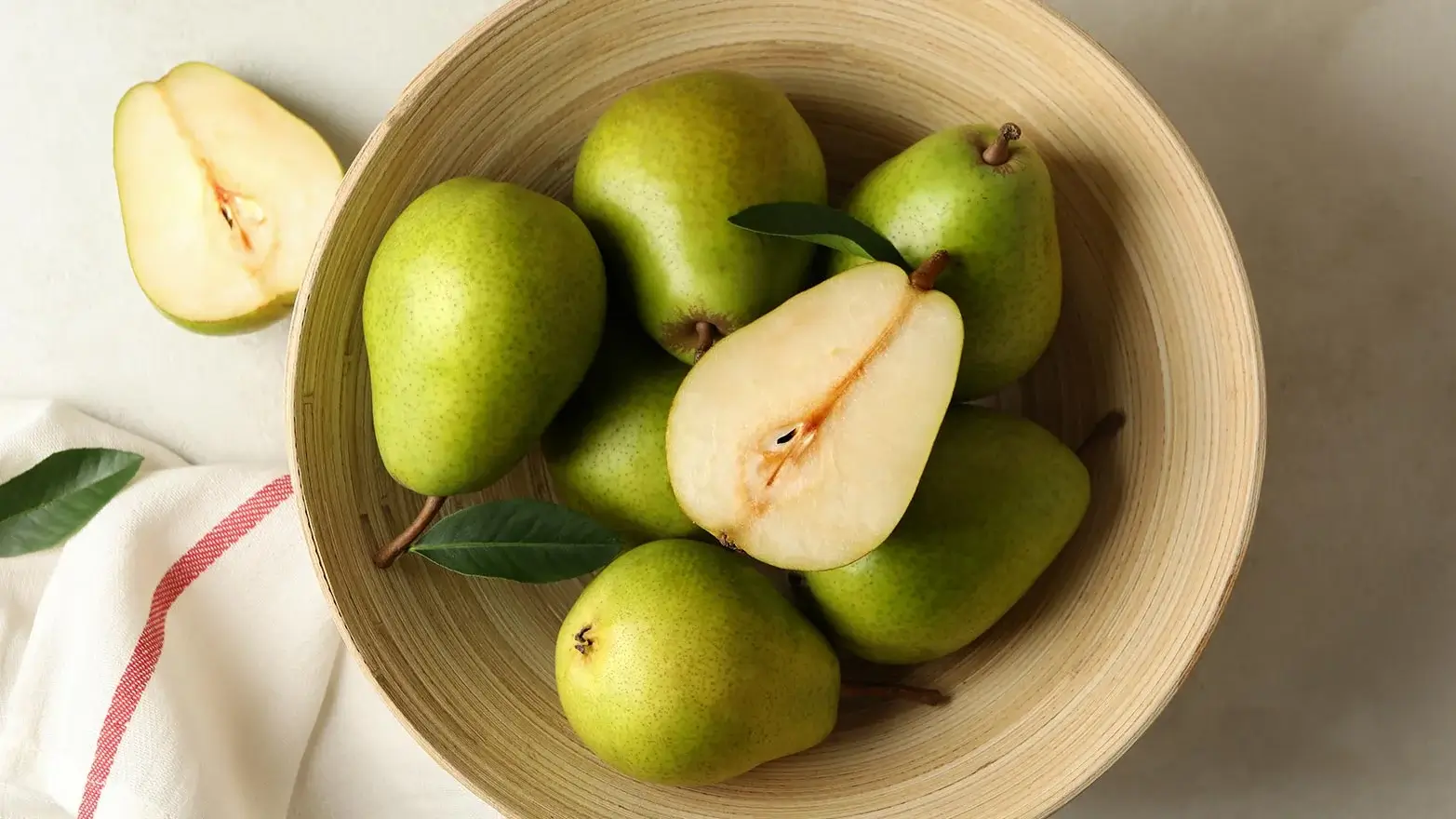
Pears are a beloved spring fruit. From crisp and juicy varieties like the Florida-grown hood pear to buttery and smooth Comice pears, there's a variation to satisfy every taste.
Peak season:
- Varies by variety; some pears are available in early spring (March-April), while others ripen later in the season (May-June)
- Check local availability for specific types
What to look for:
- Choose pears that are firm but slightly yielding to gentle pressure near the stem
- Avoid those with bruises, cuts or soft spots
- Color varies depending on the variety, from green to yellow to red
How to store:
- Store unripe pears at room temperature to ripen
- Once ripe, store them in the refrigerator
Shelf life:
- A few days at room temperature or up to a week in the refrigerator
Recipes:
20. Persimmons
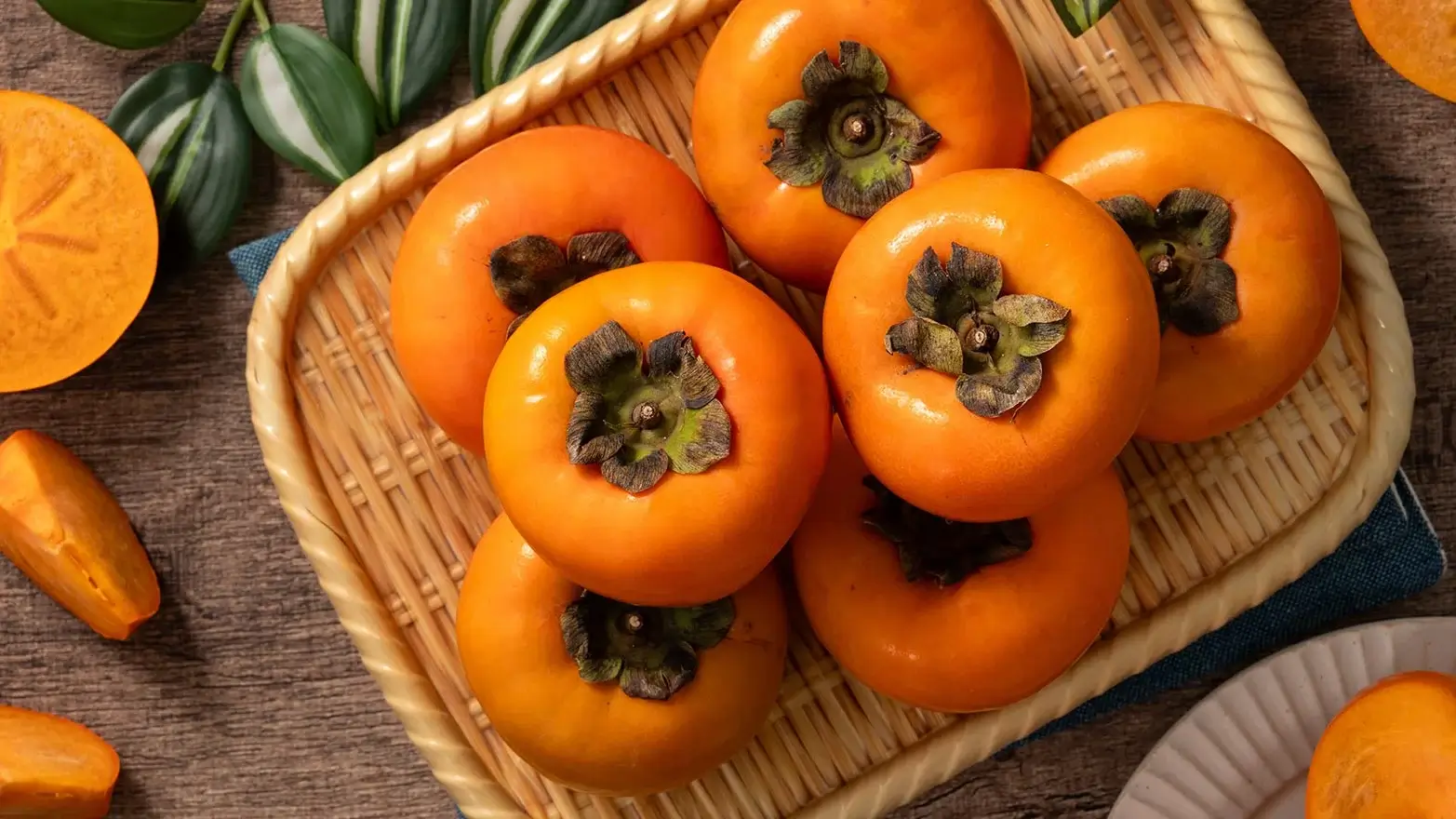
Persimmons have a unique flavor profile with both sweet and astringent varieties. While often associated with fall, certain types, like Fuyu and Hachiya, have a second season in the spring, providing a taste of autumn during the warmer months.
Peak season:
- Second peak in early spring (March-April)
What to look for:
- Fuyu: Choose those that are firm and squat with a bright orange color. They can be eaten like an apple.
- Hachiya: Choose those that are slightly soft and acorn-shaped. They must be very ripe to avoid astringency.
How to store:
- Store unripe persimmons at room temperature to ripen
- Once ripe, store them in the refrigerator
Shelf life:
- A few days at room temperature or up to a week in the refrigerator
Recipes:
21. Pineapple
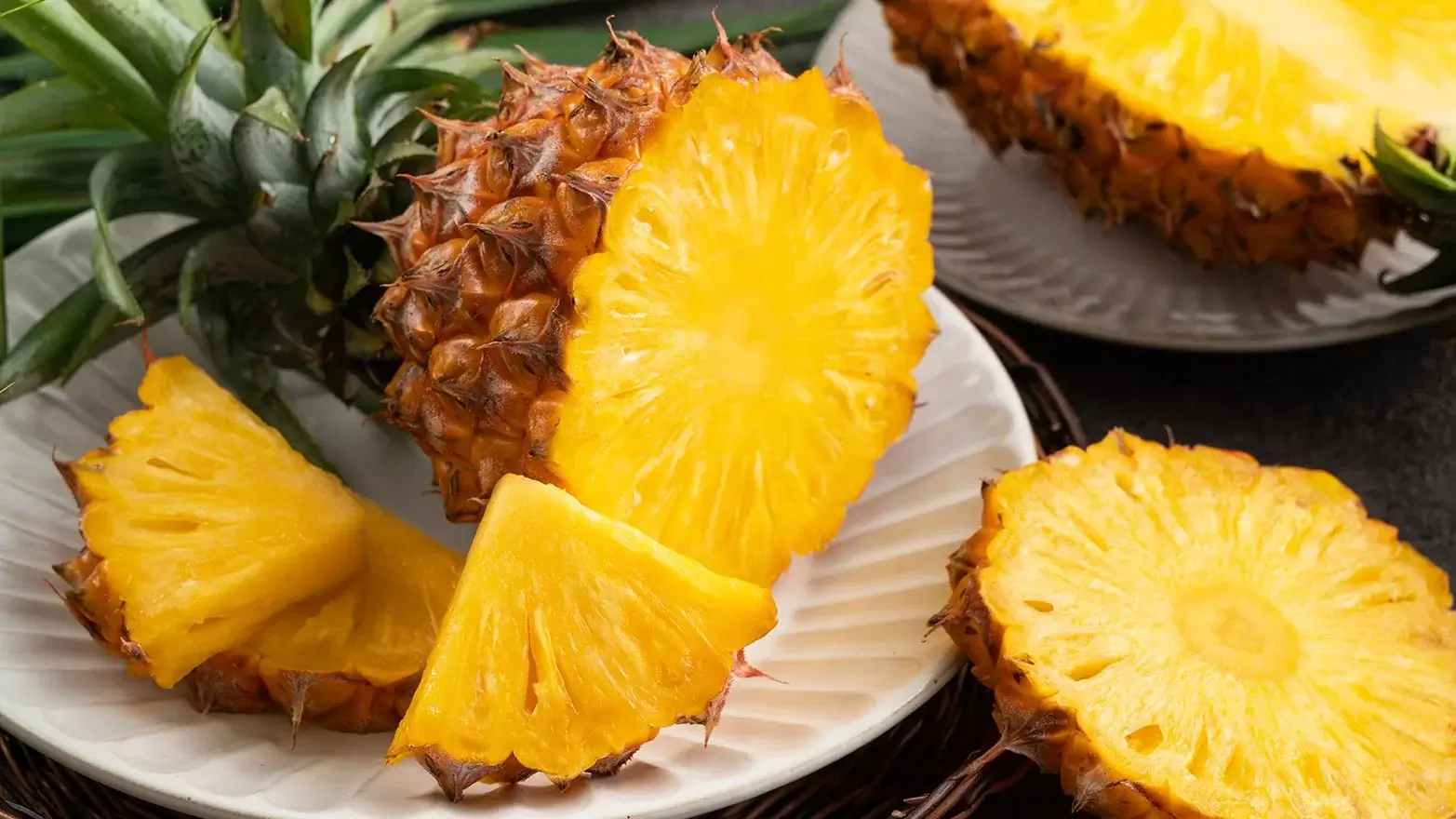
Pineapples have a tropical sweetness and juicy texture that make them the perfect addition to a spring fruit selection. Their versatility extends from refreshing snacks and juices to grilled dishes and vibrant salsas.
Peak season:
- March-July
What to look for:
- Choose pineapples that are heavy for their size
- Look for those with a golden-yellow color and a fragrant aroma
- Avoid those with soft spots, bruises or dry leaves
How to store:
- Store whole pineapples at room temperature
- Once cut, refrigerate the pineapple in an airtight container
Shelf life:
- A few days at room temperature or up to a week in the refrigerator once cut
Recipes:
- Teriyaki turkey burgers with grilled pineapple
- Pineapple glazed chicken skewers
- Homemade pineapple juice
22. Pummelos
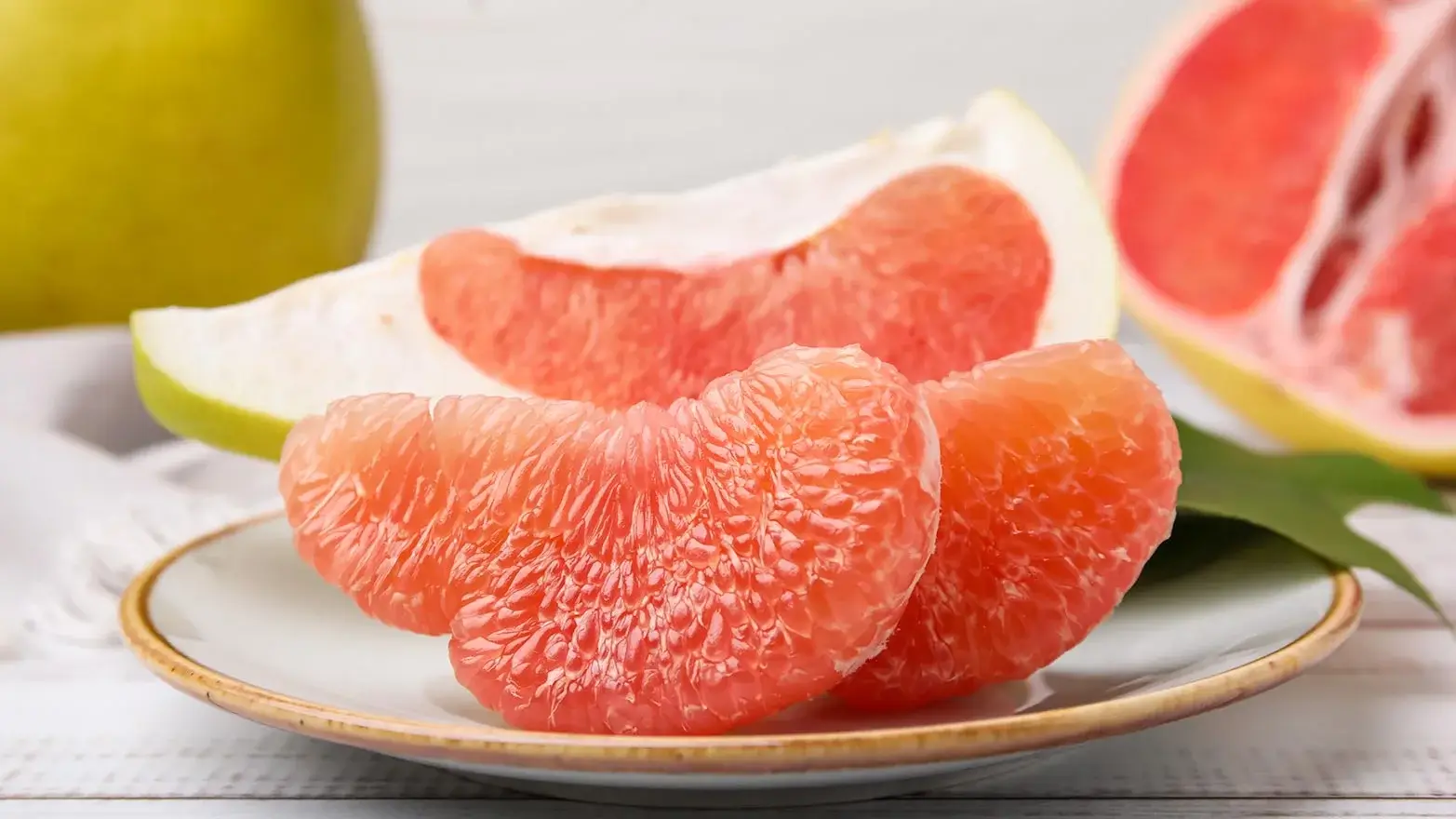
You may have never eaten pummelo (or pomelo) before, but this grapefruit ancestor is worth trying out. There’s no better time than early and mid-spring to grab a few at the store.
Peak season: January-April
What to look for:
- Choose pummelos that feel heavy for their size
- The rind should be firm and thick, with a light yellow to pale green color
- Avoid those with soft spots or blemishes
How to store:
- Store pummelos at room temperature or in the refrigerator
Shelf life:
- Up to two weeks at room temperature or longer in the refrigerator
Recipes:
23. Strawberries
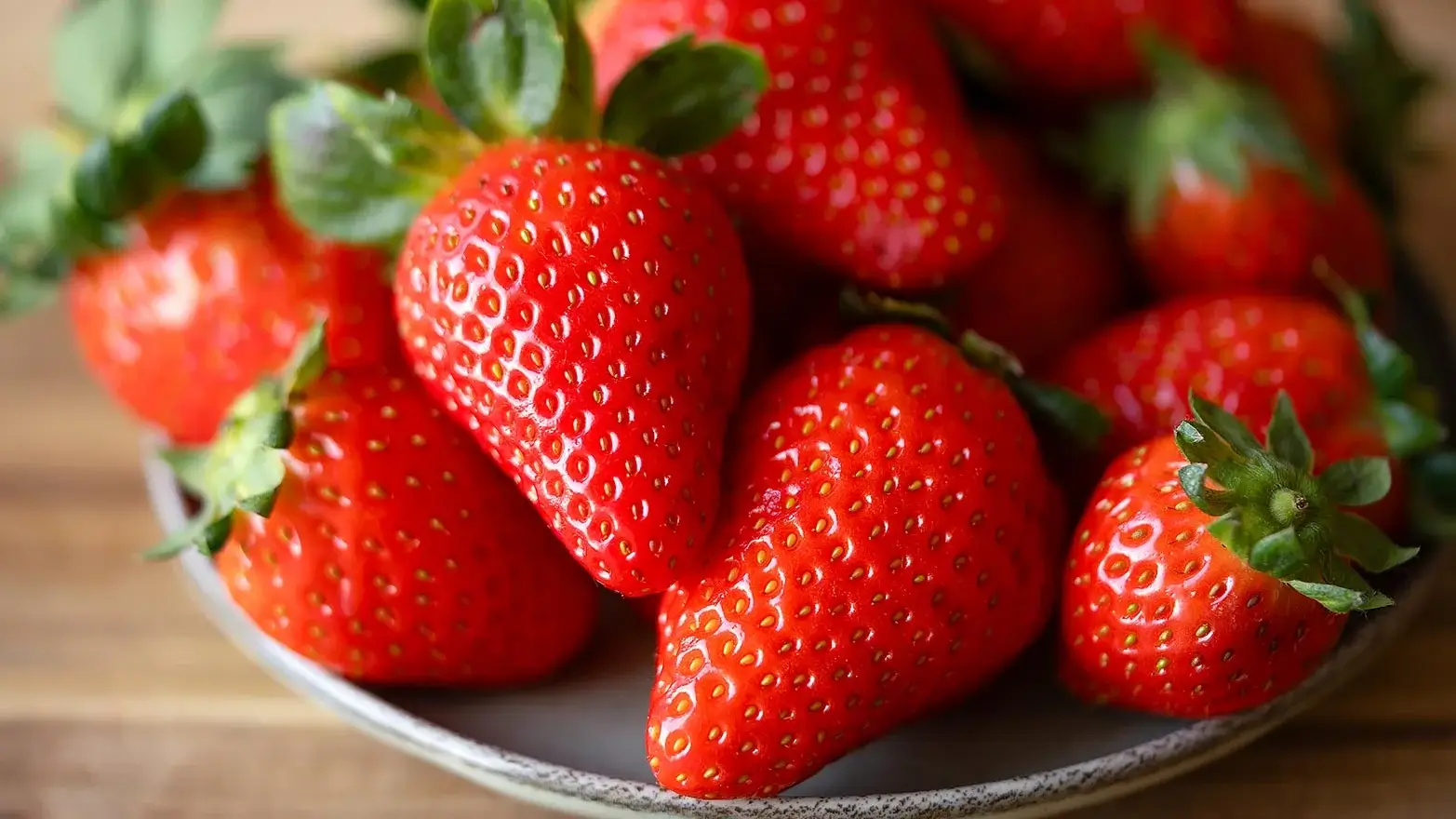
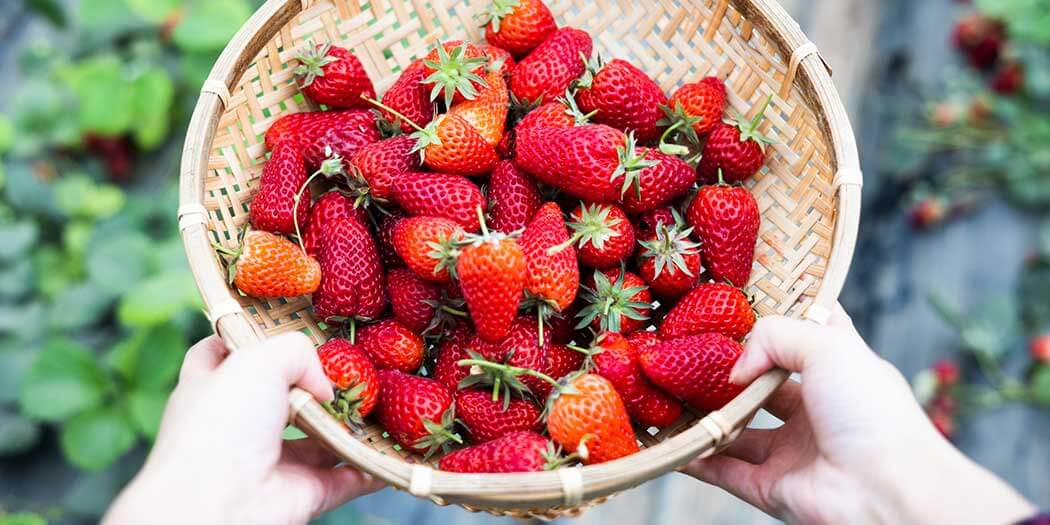
Believe it or not, in the warmer states, strawberries are in season in mid-spring. Their versatility is unmatched, from enjoying them fresh to incorporating them into jams and desserts.
Peak season:
- March-May
What to look for:
- Choose strawberries that are plump, firm and have a bright red color
- The caps should be green and attached
- Avoid those with bruises, soft spots or mold
How to store:
- Store unwashed strawberries in the refrigerator in a single layer to prevent crushing
- Wash before eating
Shelf life:
- A few days in the refrigerator
Recipes:
24. Tomatillos

Yes, tomatillos are a fruit, and they’re in season throughout spring. They’re more acidic and sour than most fruits, but they’re great in salsas or roasted.
Peak season: May-August
What to look for:
- Choose tomatillos that are firm and plump, with a tight-fitting husk
- The husk should be green or yellow, depending on the variety
- Avoid those with cracks, bruises or mold
How to store:
- Store tomatillos with the husks on in the refrigerator
Shelf life:
- Up to two weeks in the refrigerator
Recipes:
25. Watermelon

Watermelons are a spring and summer fruit with a refreshing sweetness and high water content. Their juicy flesh and vibrant color make them a delightful treat on warm days, and their versatility extends from simple slices to refreshing salads and even grilled dishes.
Peak season:
- April-July
What to look for:
- Choose watermelons that feel heavy for their size
- Look for a firm, symmetrical melon with a creamy yellow spot where it rested on the ground
- Avoid those with soft spots, bruises or cuts
How to store:
- Store whole watermelons at room temperature
- Once cut, refrigerate the watermelon in an airtight container
Shelf life:
- Up to a week at room temperature or about a week in the refrigerator once cut
Recipes:
26. White sapotes
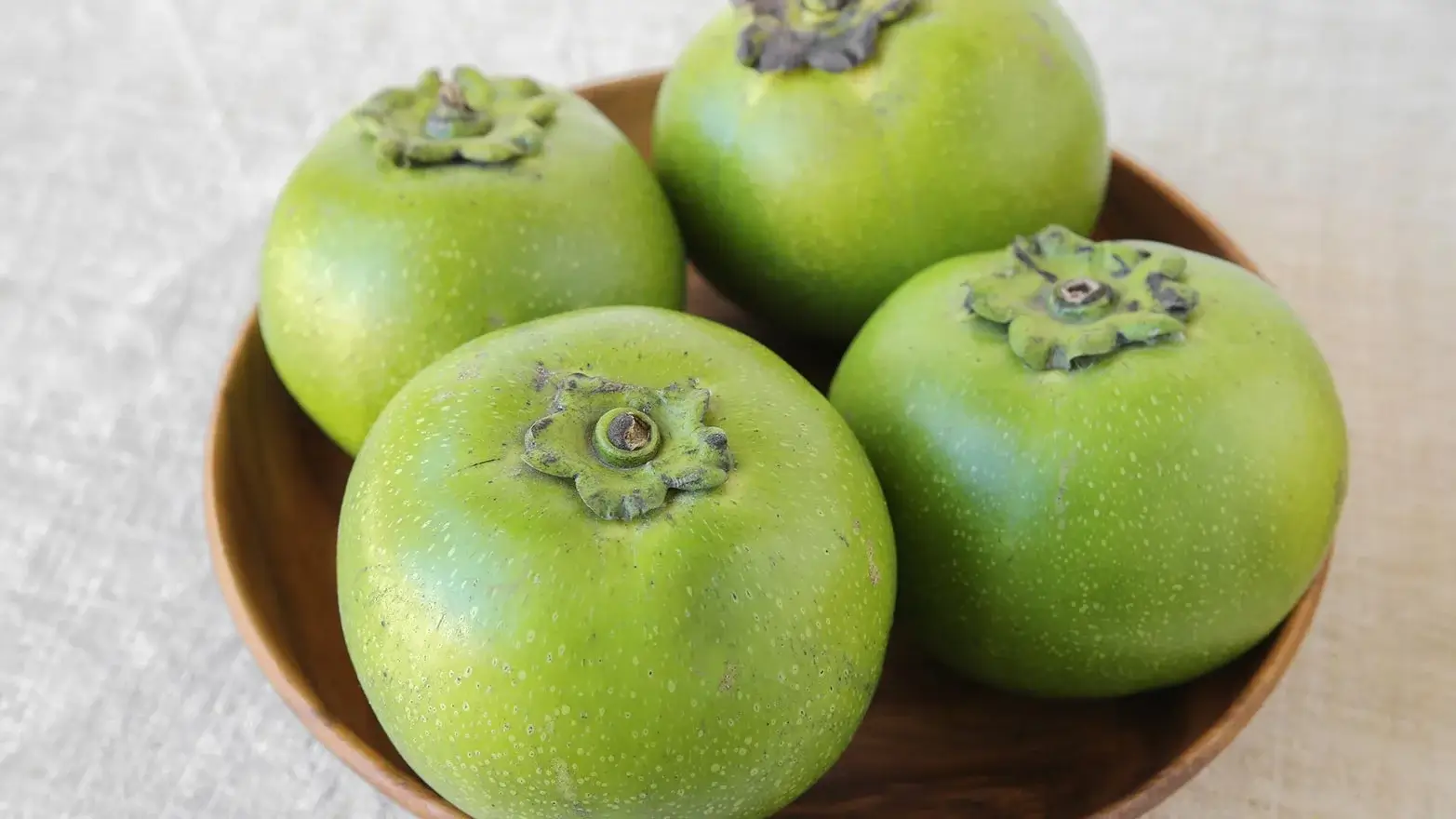
Perhaps the least-known item on this list of spring fruits, white sapote is native to Mexico and Central America. It’s now also grown in the United States, where it’s in season from March to November.
Peak season: March-November
What to look for:
- Slightly soft to the touch, similar to a ripe avocado
- Light green to yellow, depending on the variety
- Avoid those with bruises or blemishes
How to store:
- Store unripe white sapotes at room temperature until they ripen
- Once ripe, store them in the refrigerator
Shelf life:
- A few days at room temperature or up to a week in the refrigerator
Recipes:
Shop spring fruits through Instacart
Are you sold on spring fruits yet? You don’t have to eat the same fruits over and over again. Even if your local store doesn’t stock what you are itching to try, you can still enjoy nature’s bounty by ordering via Instacart. Add everything you want to your cart and receive your groceries to your doorstep. Simple as that.
Check out our guide on how to store fruit for more tips and tricks.

Cady Cohen
Author
Cady Cohen is a culinary writer at Instacart who empowers home cooks to navigate the exciting world of food with confidence. She has worked in digital media for over seven years covering food, health, and wellness. From handy conversion charts and recipe calculators to in-depth cooking guides, Cady's work makes grocery shopping a breeze and empowers you to make informed choices about what you put on your plate.

Heather Matley
Editor
Heather Matley is an editor at Instacart whose passion for food and cooking has inspired her work on everything from grocery guides to recipe development. With over eight years of experience in editing, content creation, and search engine optimization, she strives to empower readers with the most effective tools, guides, and ideas to transform their home cooking.

Instacart Recommends
View most recent posts →