33 Must-Try Fall Veggies for Autumn-Inspired Dishes

As the weather cools and cozy meals take center stage, you can count on your favorite fall veggies to bring rich flavors and hearty textures to the table. From crisp greens to root vegetables, there’s a wide variety of seasonal produce perfect for weeknight dinners and holiday side dishes.
Whether you’re planning comforting soups, slow-cooker dishes or hearty roasts, fall vegetables offer plenty of inspiration for simple yet satisfying cooking. Here’s a list of 33 fall vegetables and ideas on how to use them.
1. Pumpkin
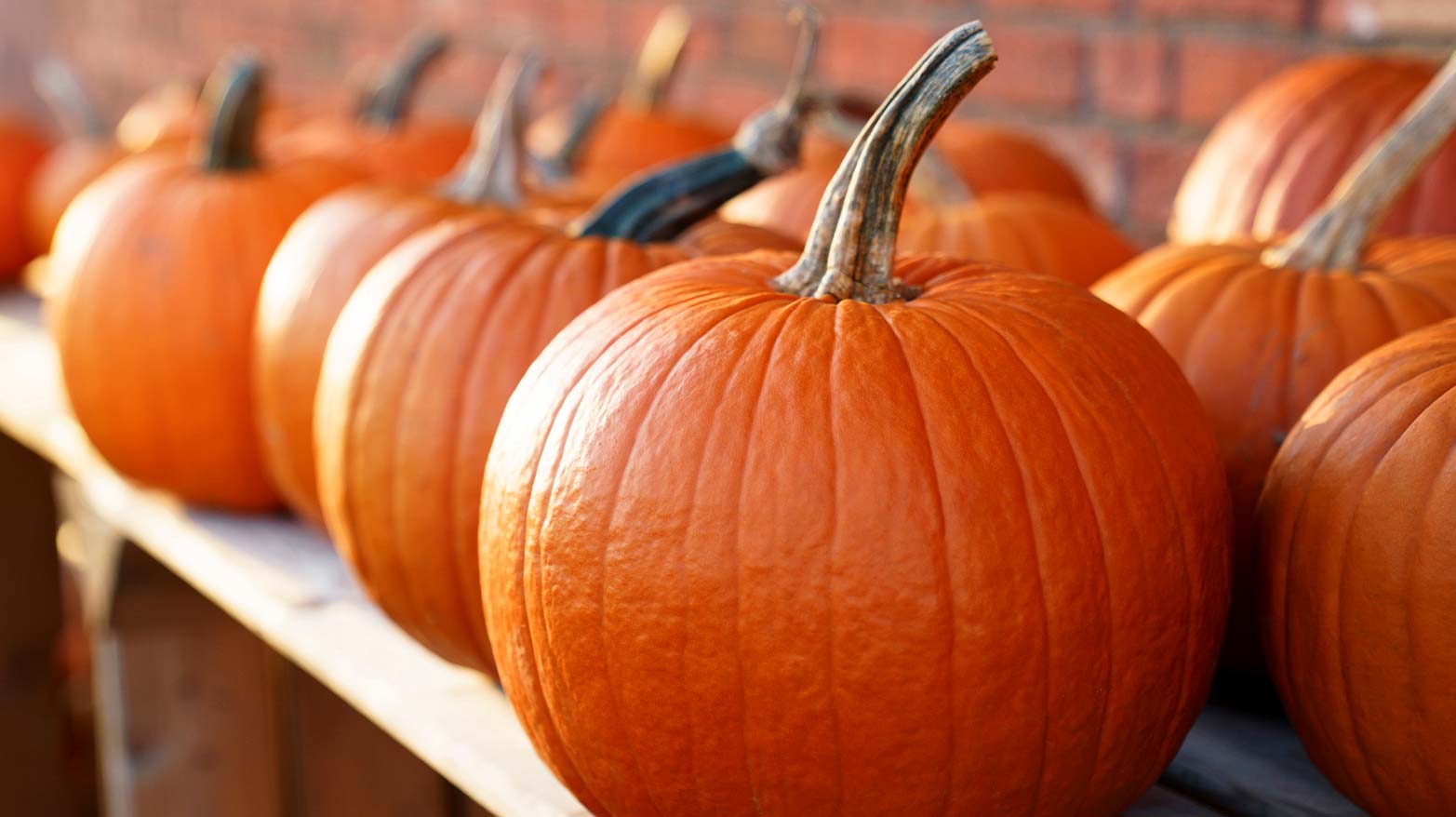
Pumpkin seeds were first cultivated 7,000 years ago in Mexico. They now grow around the world, except for Antarctica. Some of the top pumpkin producers in the United States are Illinois, Virginia, Indiana, Texas and California. In the fall, some of the most popular pumpkin recipes include spiced pumpkin pie and pumpkin cheesecake bars.
Recipe suggestions:
2. Broccoli
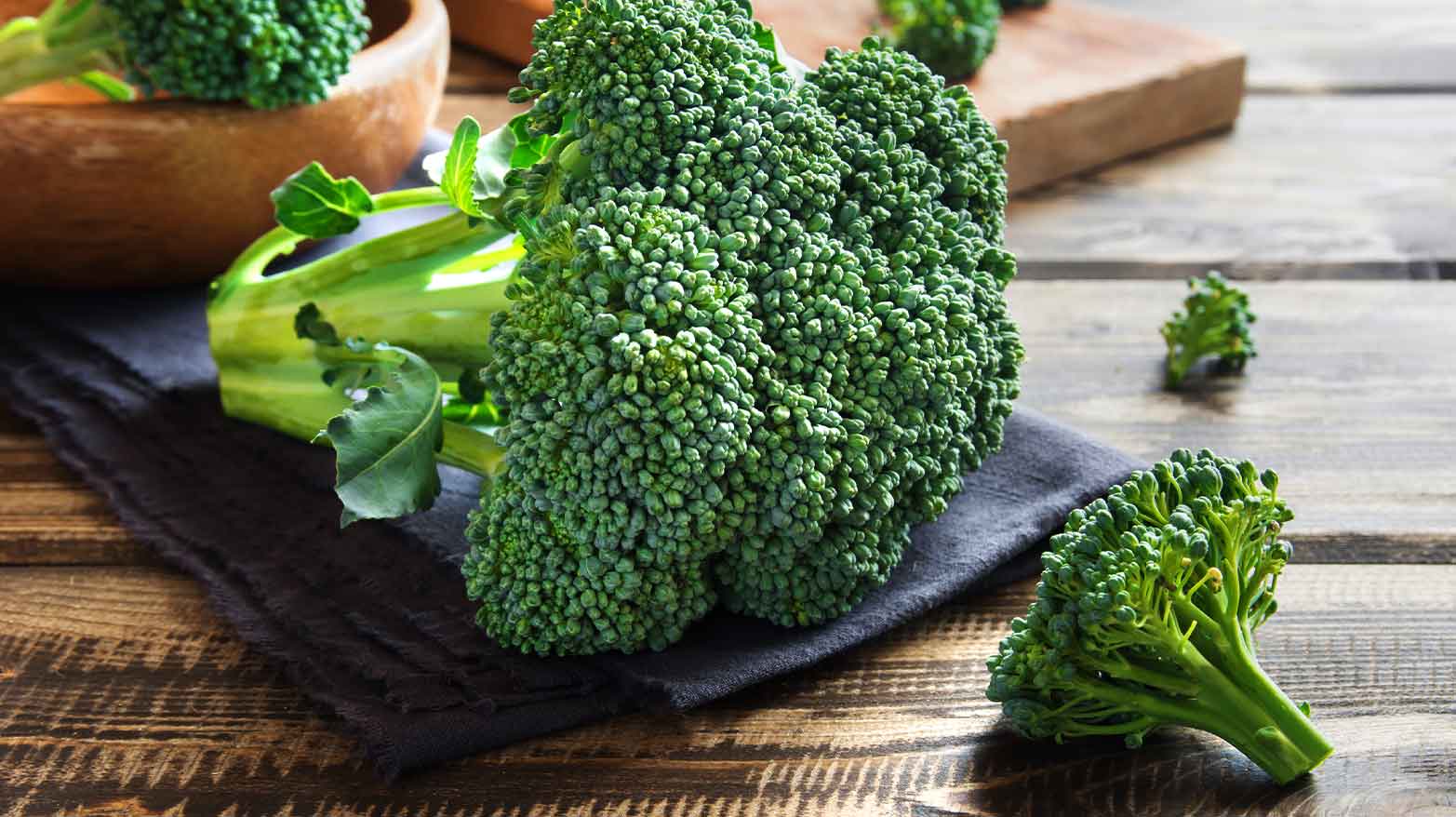
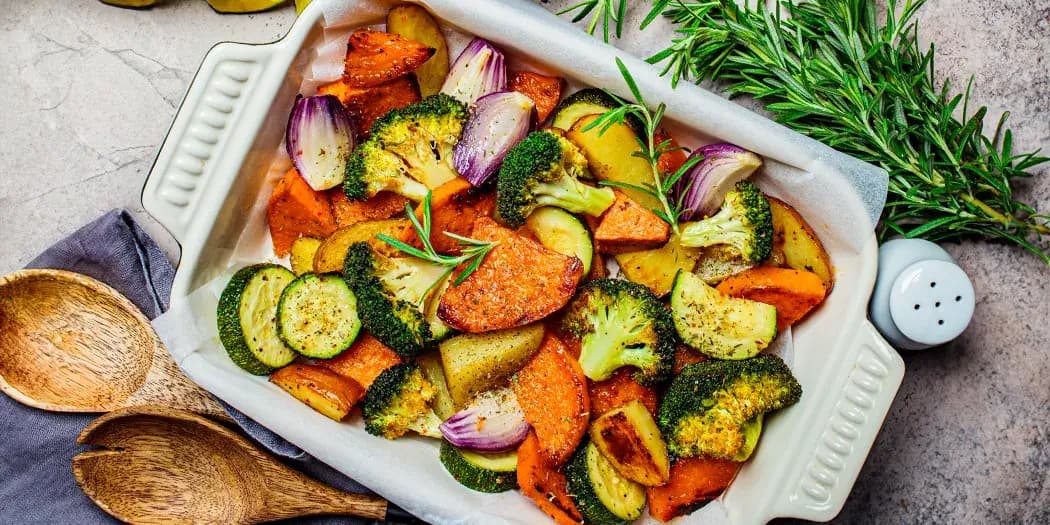
Broccoli comes from the mustard clan, scientifically known as Brassicaceae. It’s also a wild cabbage cultivar. You can enjoy a bowl of broccoli and spinach soup or curried broccoli fritters on a cool fall day. For an easy side dish, try roasting broccoli with olive oil, garlic and sea salt until the edges are crisp.
Recipe suggestions:
3. Cauliflower
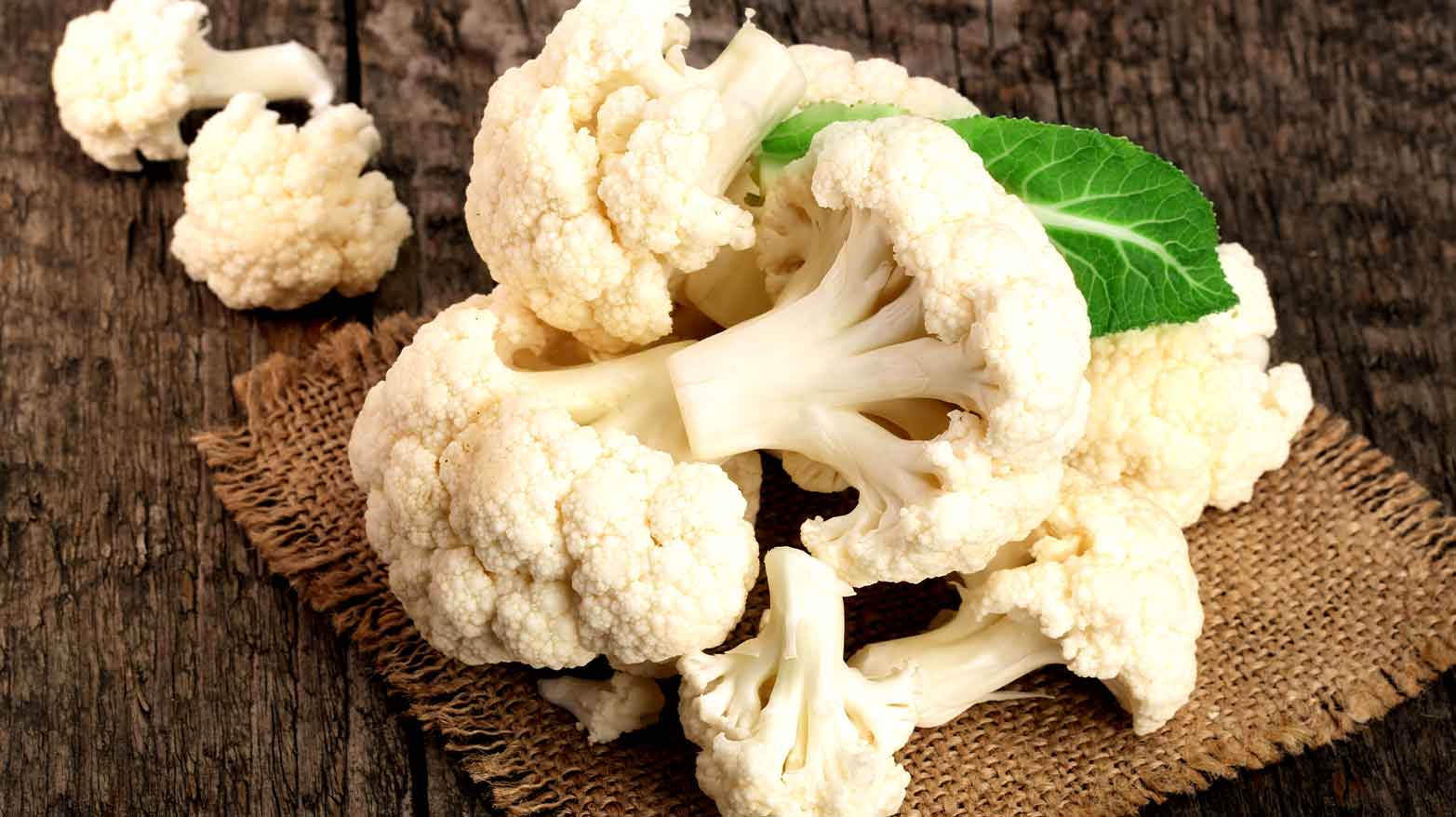
This fall veggie has been enjoyed in Europe since the 16th century but was only introduced to the United States in the 20th century. Roast cauliflower and serve with turmeric and coconut, or concoct a delicious cheddar cheese and cauliflower soup.
Recipe suggestions:
- Creamy dreamy mashed cauliflower
- Cauliflower salad with tangy mustard vinaigrette
- Vegan cauliflower wings with sweet chili sauce
4. Hubbard squash
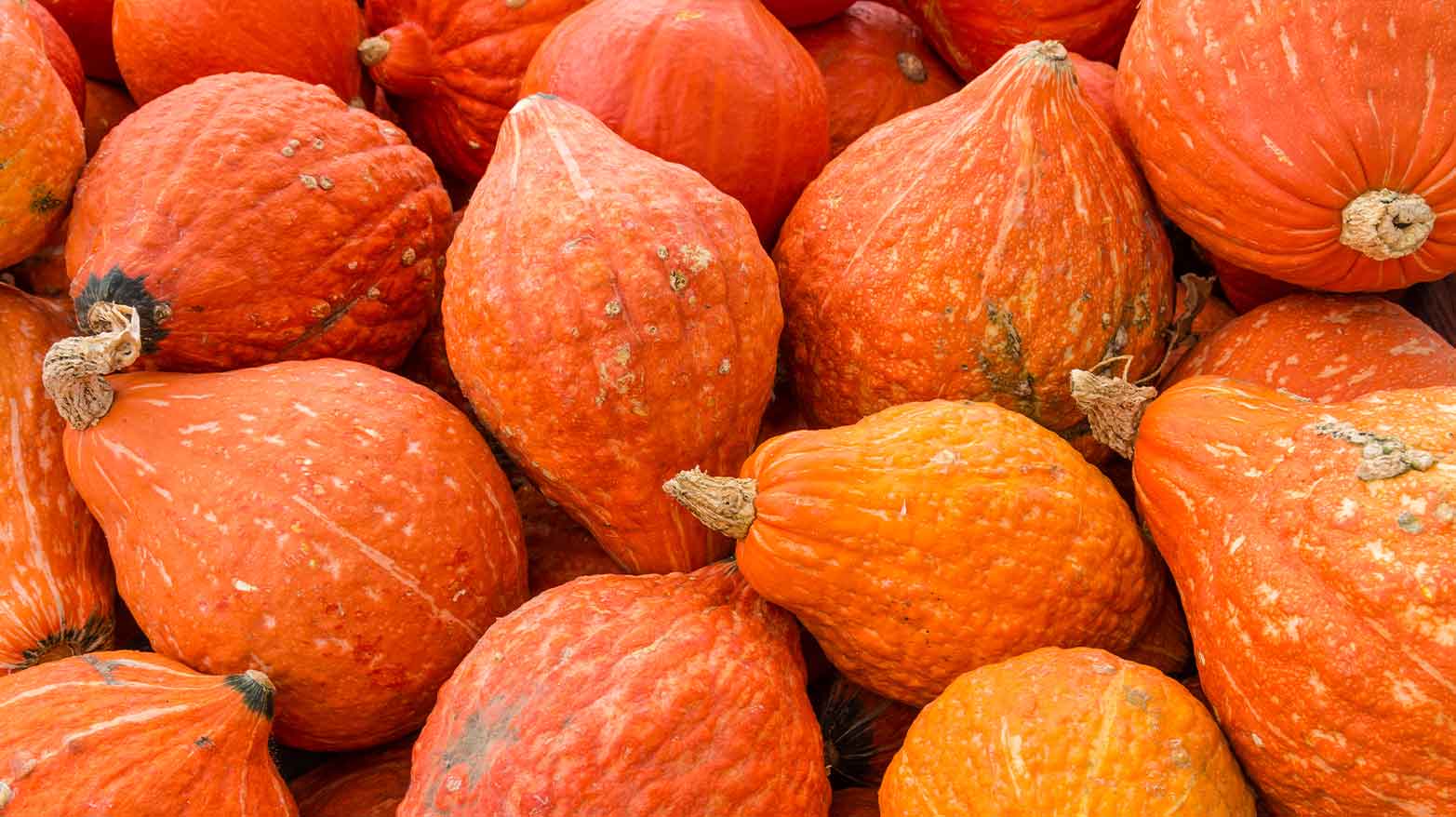
Hubbard squash belongs to the Cucurbita maxima species and was first produced in South America. This squash is a great source of fiber and vitamin C. Consider roasting Hubbard squash with rosemary and ground pepper, then serving with roasted meats like pork or turkey.
Recipe suggestions:
5. Potatoes
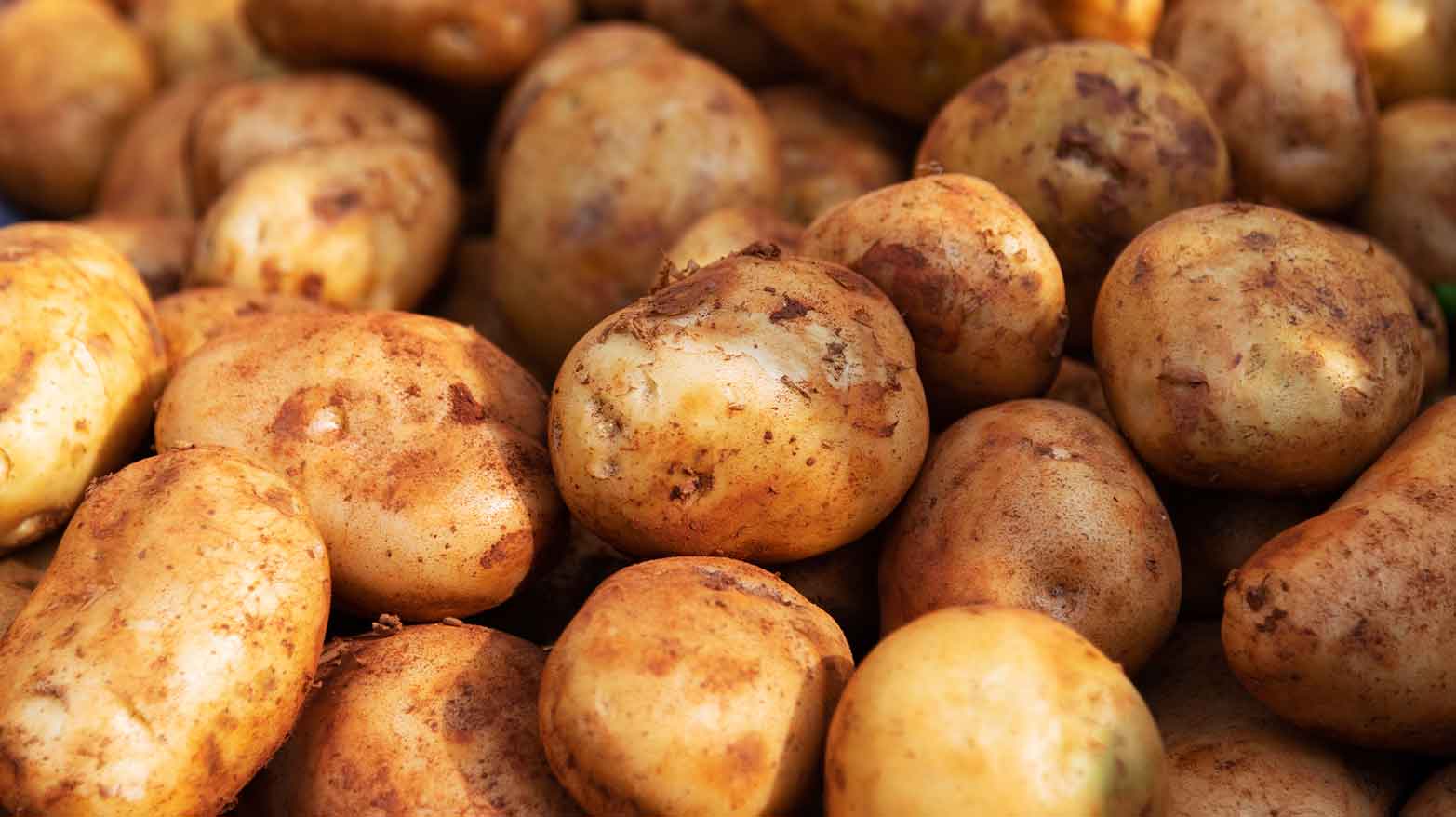
Potatoes were first cultivated in Europe in the 16th century and have since become a staple vegetable worldwide. Enjoy a hearty potato salad with a tangy mayonnaise and a sprinkle of parsley, or serve alongside a savory beef curry.
Recipe suggestions:
- Vegan potato and carrot stew with herbs
- Baked potato with sour cream and chives
- Deviled egg potato salad
6. Brussels sprouts
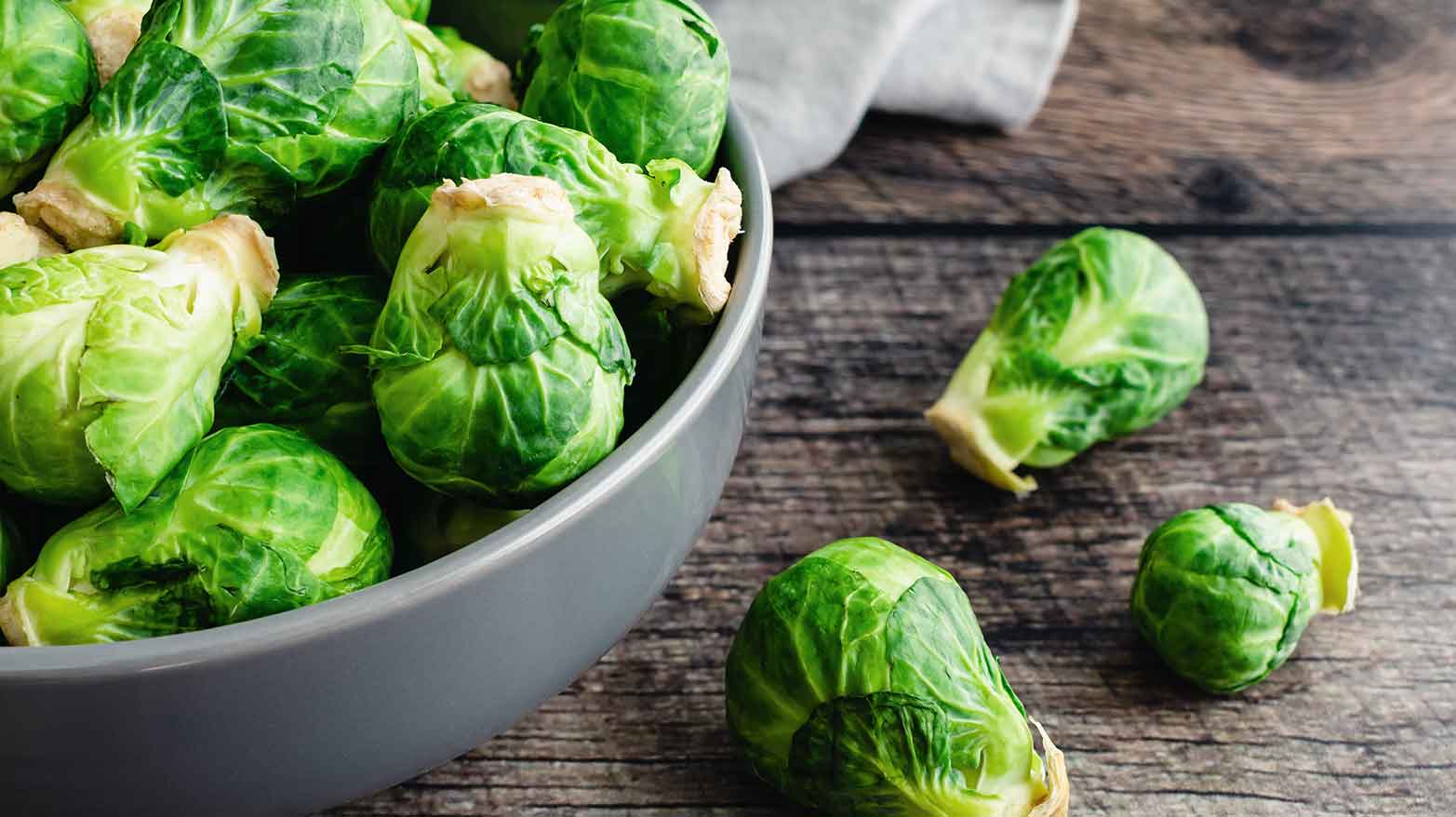
Brussels sprouts are renowned for their edible buds that look a lot like little cabbages. The vegetable derived its name from Brussels, Belgium. Enjoy a plate of macaroni and cheese with a side of brussels sprouts and pumpkin for a balanced meal.
Recipe suggestions:
- Crispy Parmesan keto brussels sprouts
- Bacon brussels sprouts with honey glaze
- Honey roasted brussels sprouts
7. Carrots
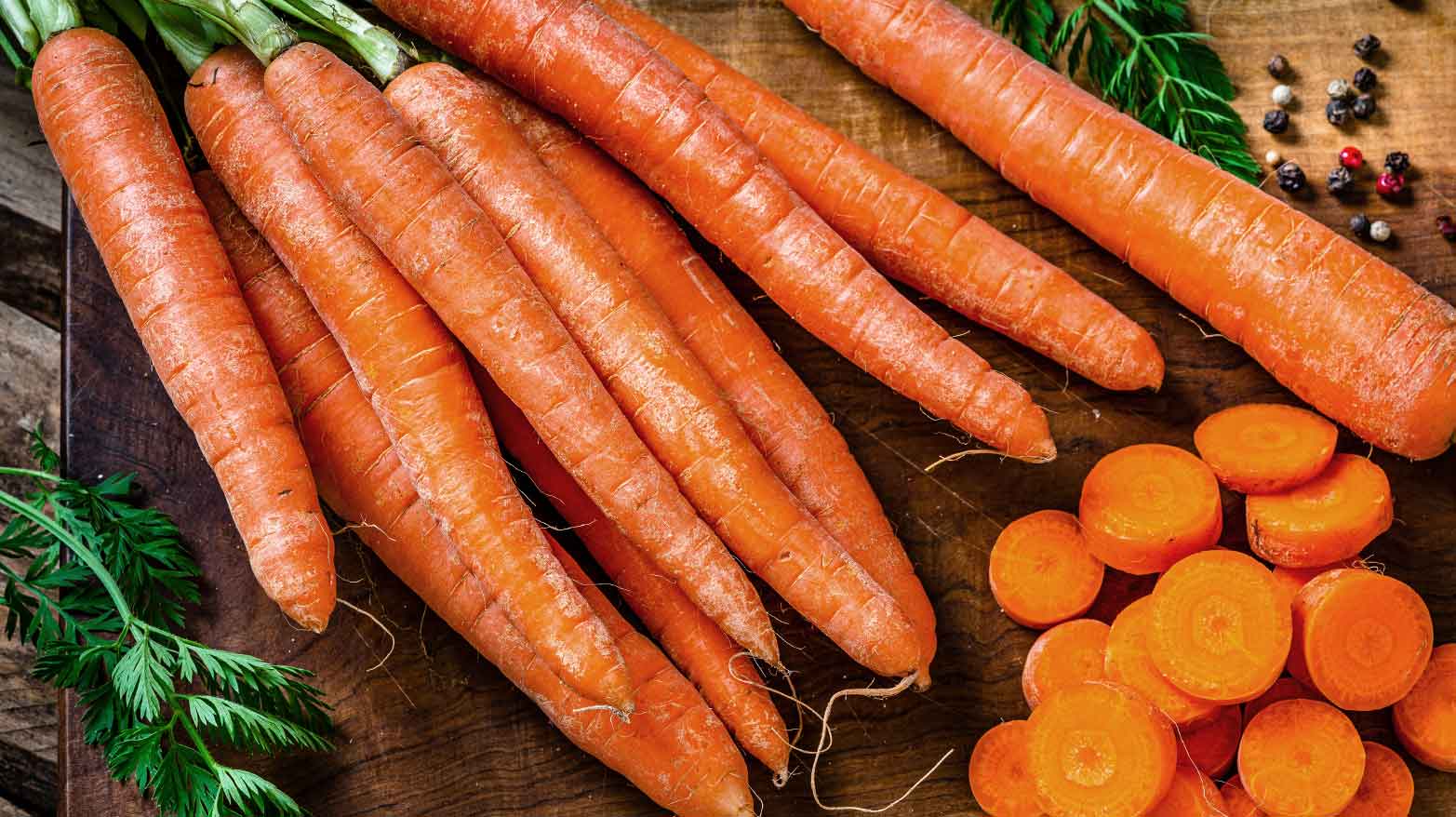
Carrots were first produced in southwestern Asia and Europe. Today, they’re found around the world, with California cultivating 85% of the carrots grown in the U.S. For fall, slice and glaze your carrots, and serve them on their own or with other autumn veggies.
Recipe suggestions:
8. Edamame
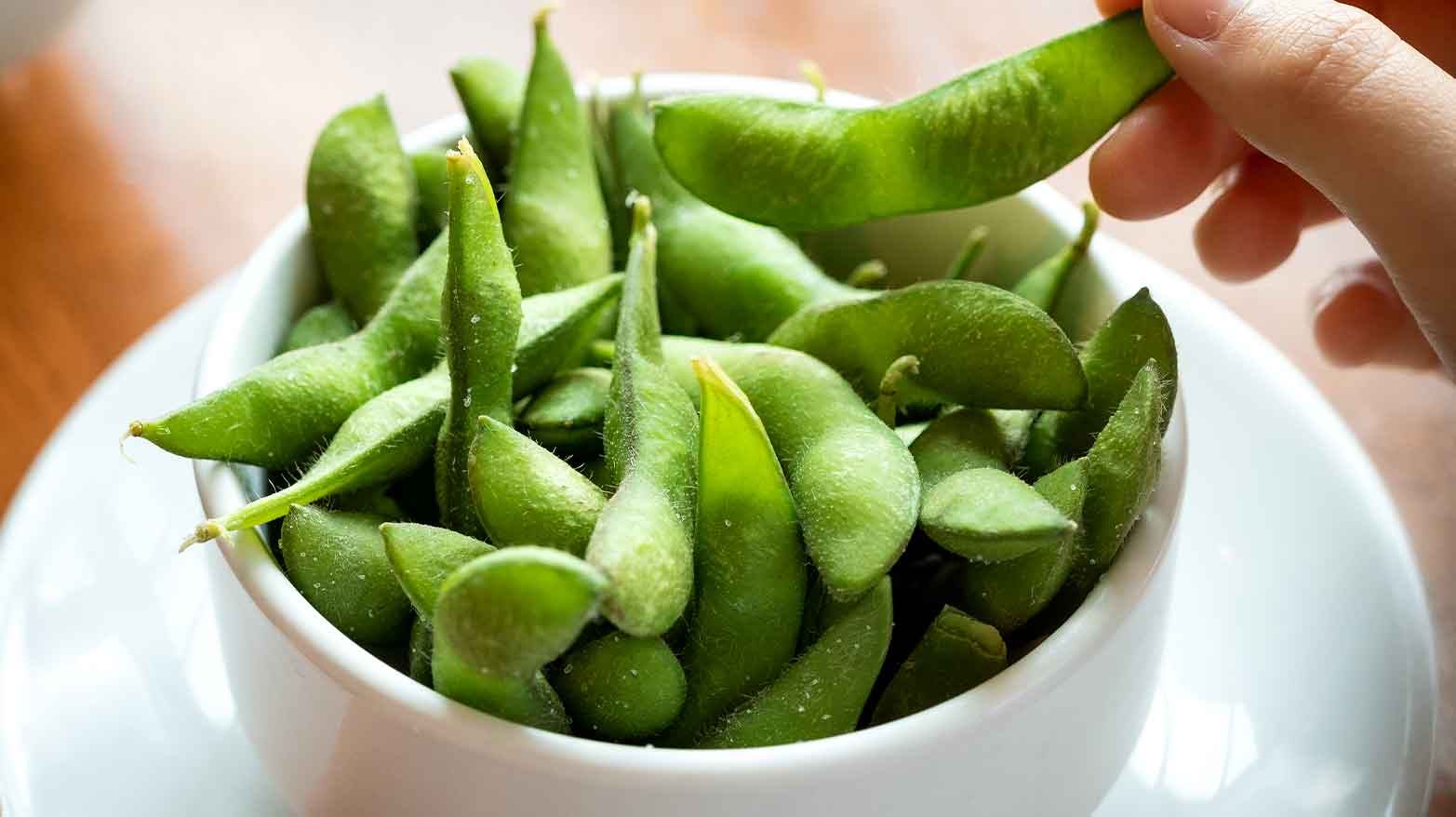
Also known as green soybeans, edamame was first discovered in China more than 2,000 years ago. Use these to whip up an edamame and feta salad or a salad with cashews and sesame seed salad dressing.
Recipe suggestions:
9. Beets
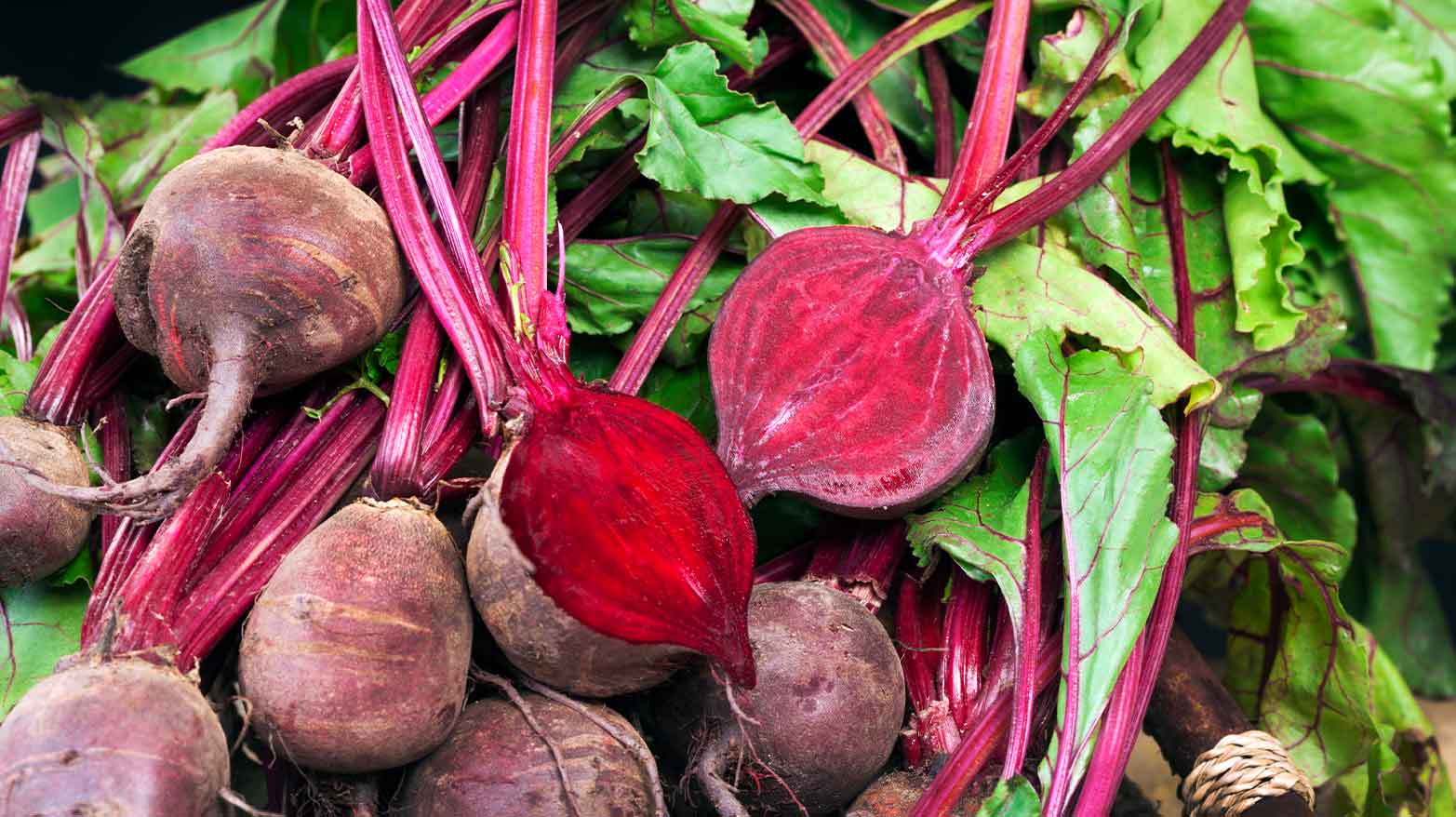
Beets originated in the ancient Middle East and belong to the Beta vulgaris plant species. Try beets in a salad with onions, balsamic vinegar and brown sugar — this pairs wonderfully with beef or pot-roasted chicken.
Recipe suggestions:
10. Radishes
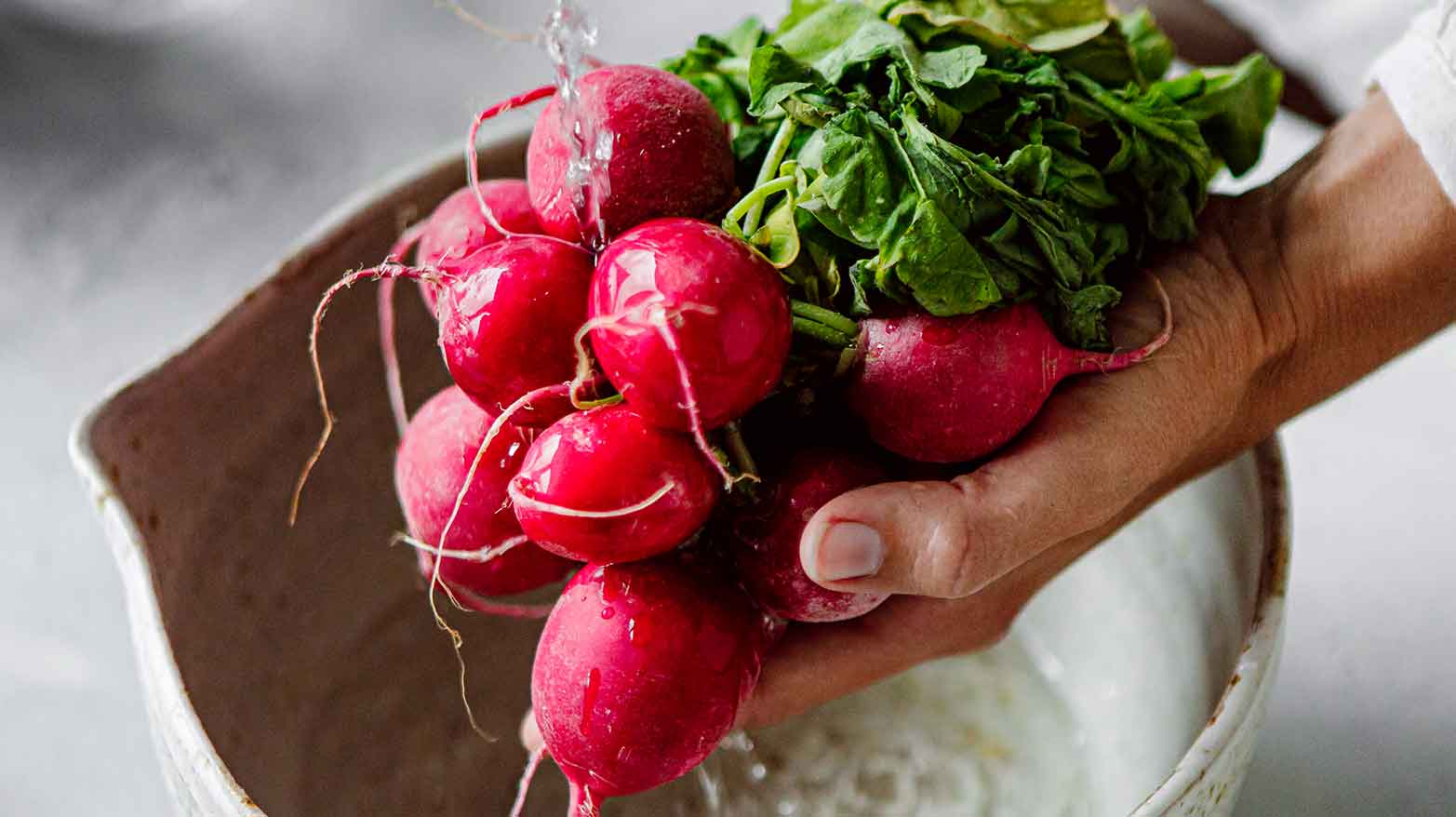
Fall is a great time to explore heartier radishes like daikon and black radish. These larger, spicier varieties bring a bold flavor that’s perfect for warm dishes. Try roasting or braising radishes with onion and bacon for an easy way to add texture and a nice kick to your meals.
Recipe suggestions:
- Roasted radishes
- Watermelon radish salad with honey lemon dressing
- Avocado toast with smoked salmon and radishes
11. Zucchini
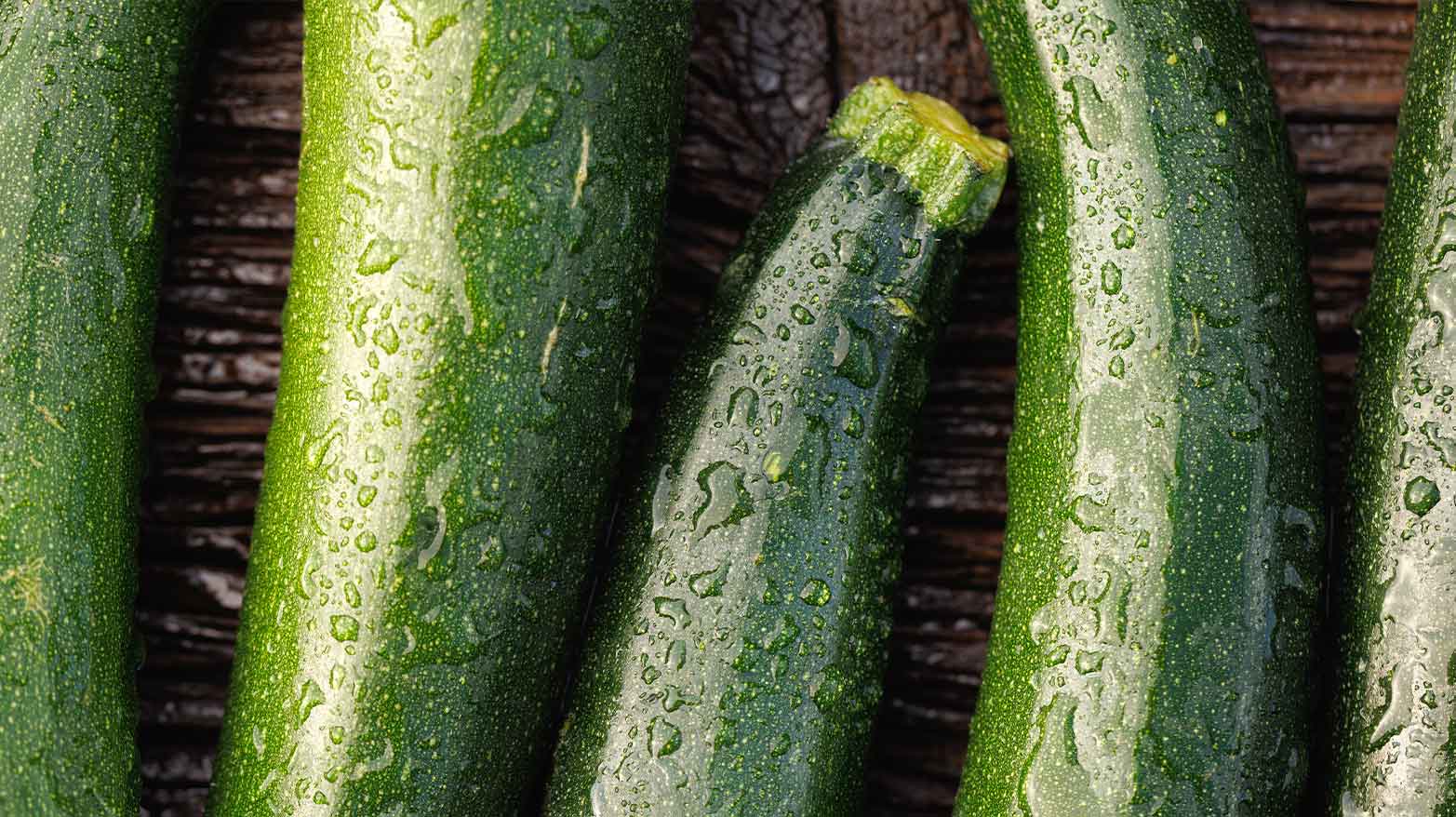
Also known as baby marrows or courgettes, zucchini is a mild-tasting squash and a versatile ingredient. Roast it as a side, add it to soups and toss it into stir-fries. Warm up on those cool, autumn days with homemade zucchini soup or a freshly baked loaf of zucchini bread.
Recipe suggestions:
12. Artichokes
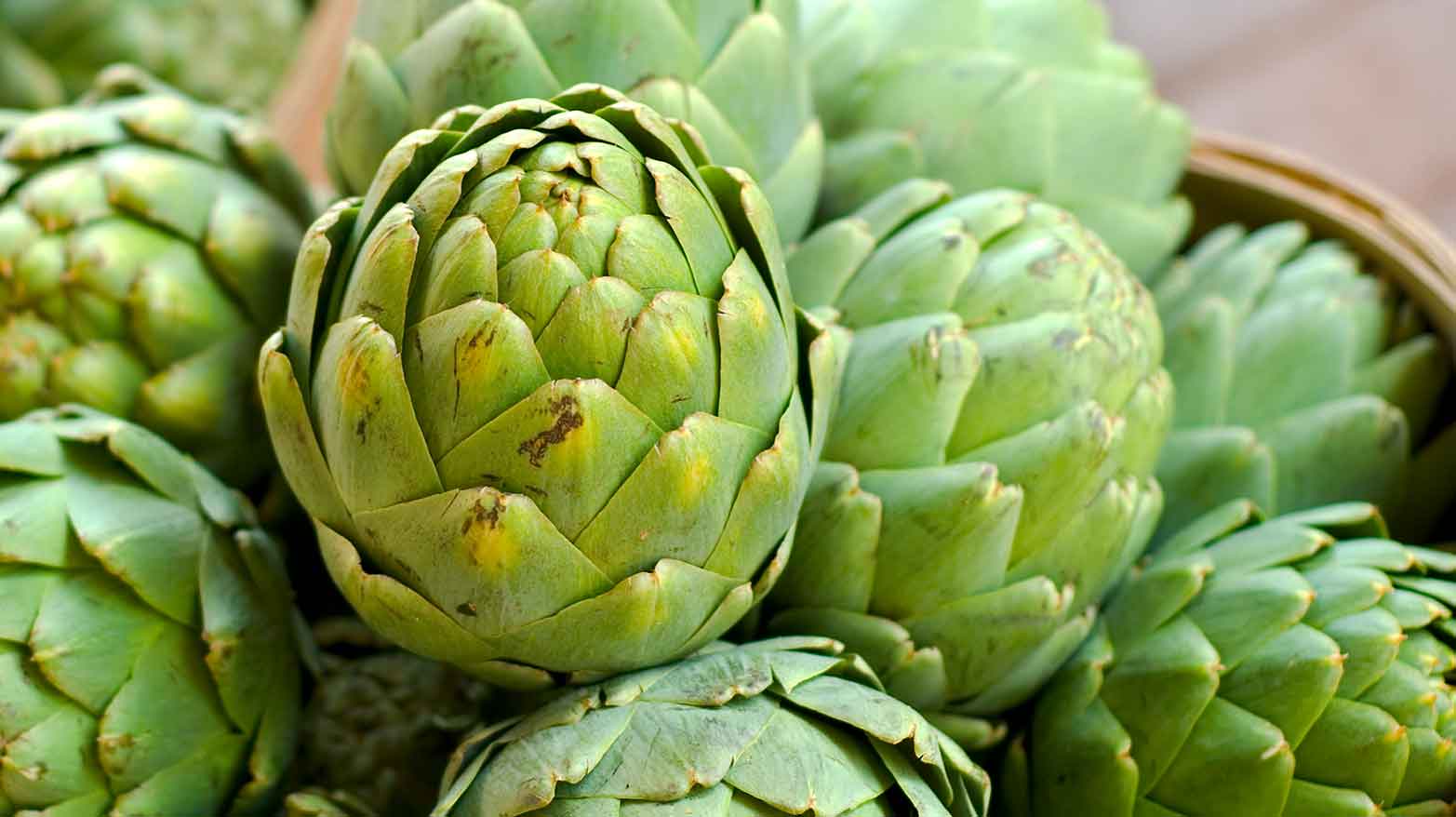
Artichokes originated in the Mediterranean and are recognized by their purple flowers. The largest cultivator of artichokes in the United States is Castroville in Monterey County, California. Make spinach and artichoke lasagna or a delicious artichoke and cheese pie.
Recipe suggestions:
- Artichoke dip with toasted baguette
- Grilled artichoke with lemon garlic dip
- Creamy spinach and artichoke dip
13. Green beans
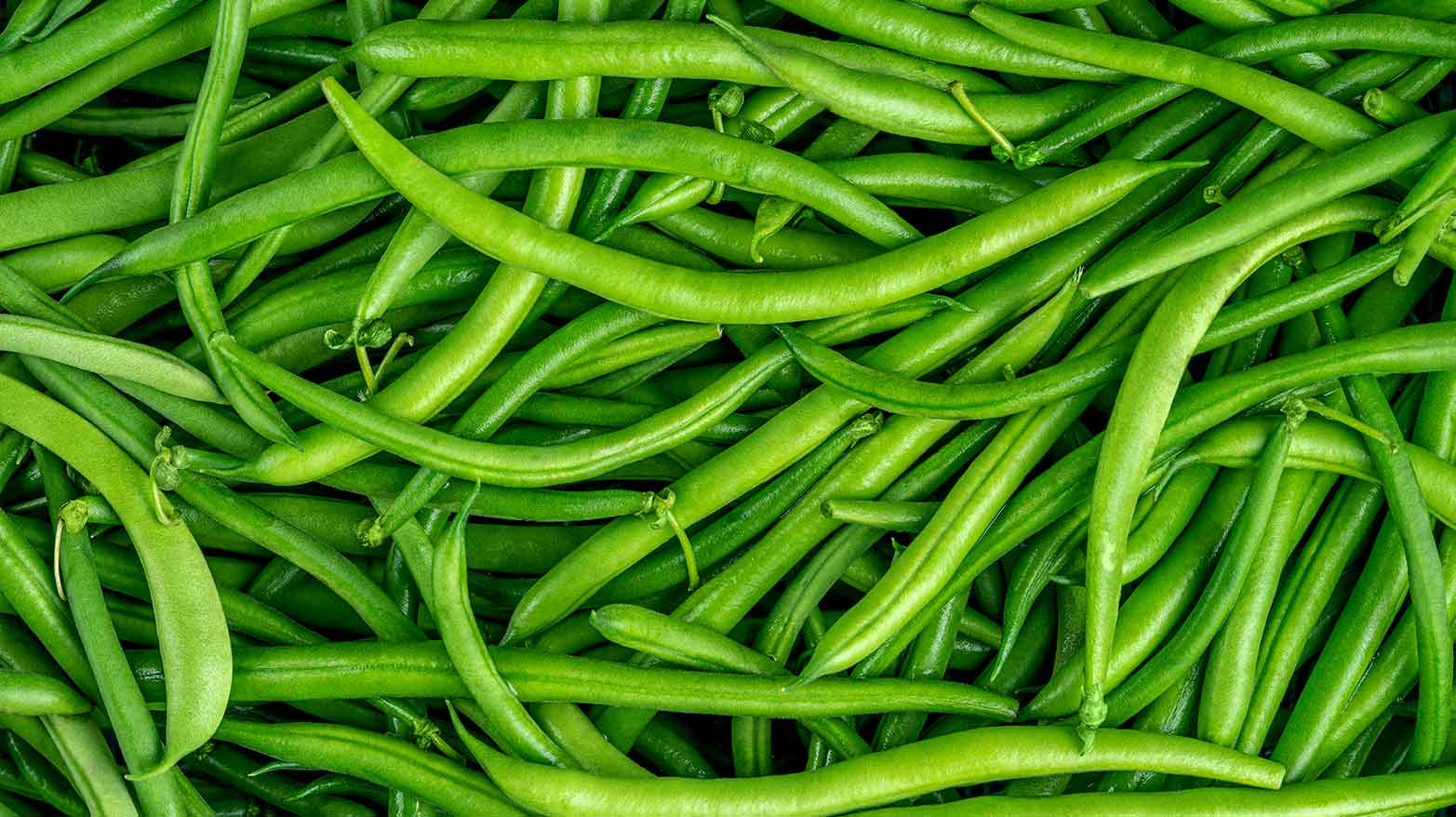
Native to Peru, these fall veggies were brought to the United States by Native Americans. Make a lovely green bean casserole with fried onions, or simply enjoy your green beans with garlic and butter.
Recipe suggestions:
14. Cucumber
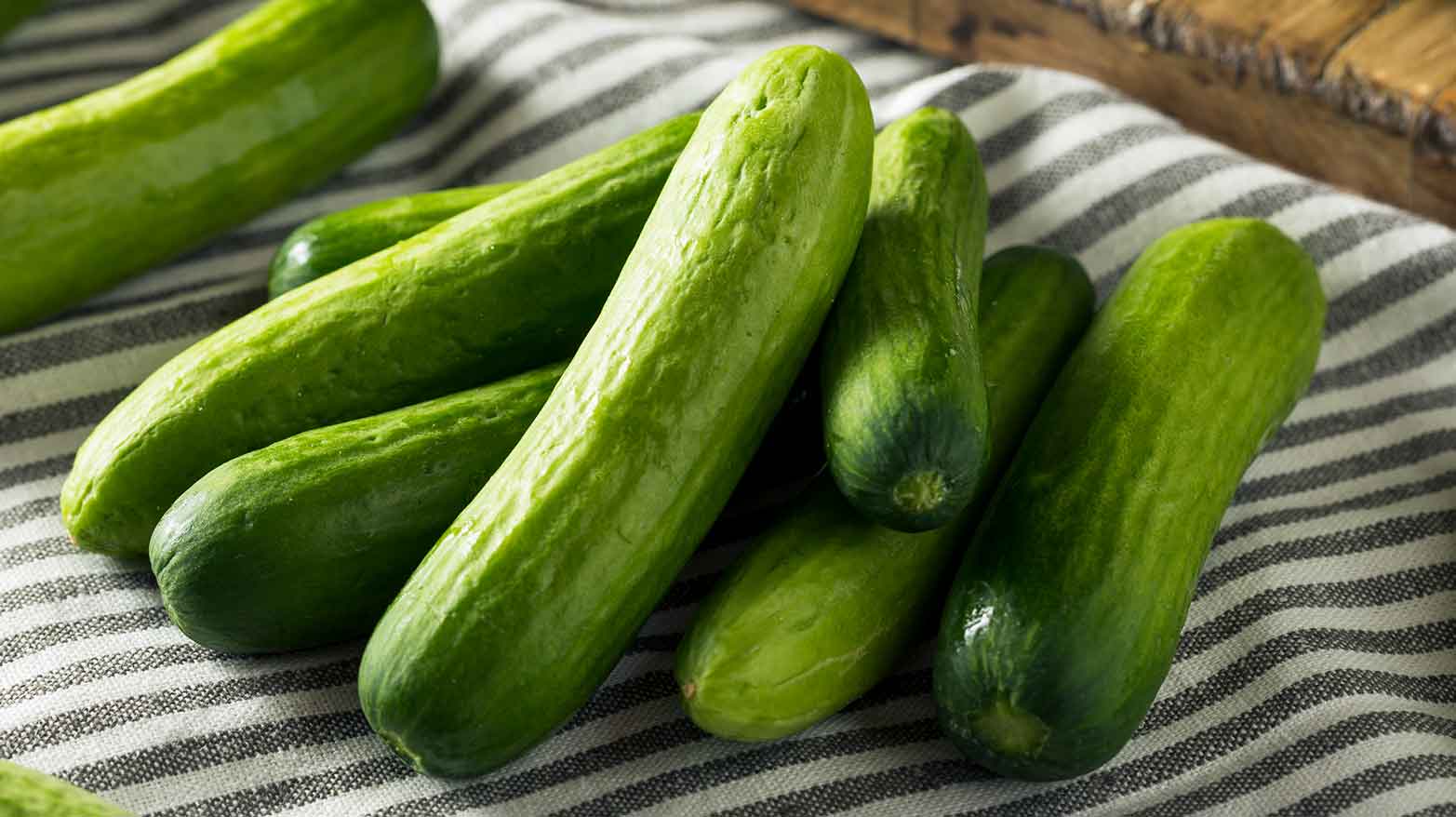
Cucumbers, scientifically known as Cucumis sativus, are native to the Indian subcontinent and have been cultivated for more than 3,000 years. Make a cucumber and chicken salad with pesto, or a cucumber, almond, and feta dish if you prefer vegan dishes.
Recipe suggestions:
- Asian cucumber salad with sesame seeds
- The high-tea cucumber sandwich
- Cucumber soup with dill and yogurt
15. Spinach
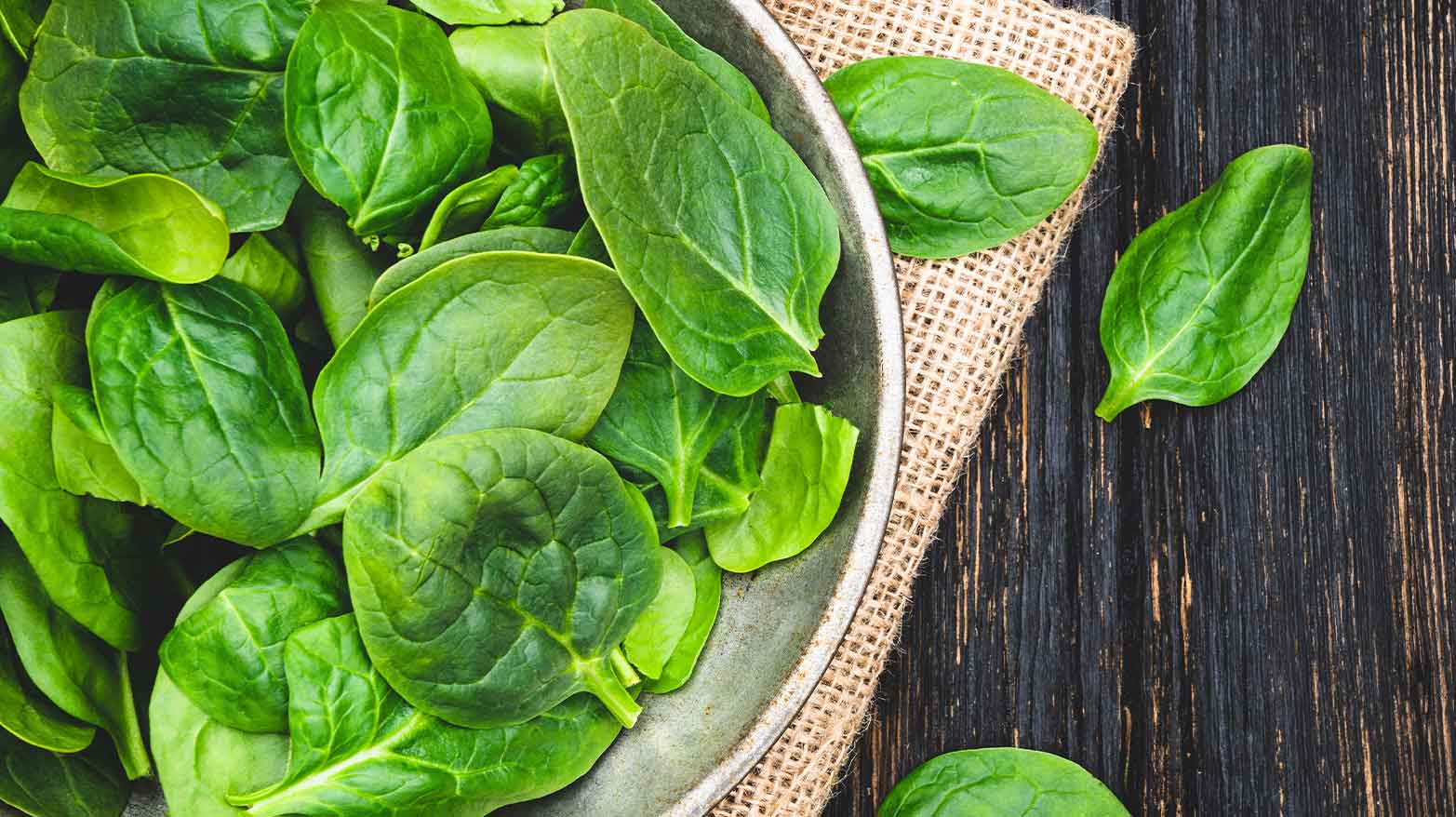
This vegetable is part of the Chenopodiaceae clan. If you’re looking for new ways to use spinach in the fall, try spinach balls — these consist of an oven-baked blend of spinach, eggs, seasonings, garlic, butter and Parmesan cheese.
Recipe suggestions:
- Spinach and feta quiche
- Chicken spinach pasta in Alfredo sauce
- Vegan spinach and mushroom quesadilla with cashew cheese
16. Cabbage
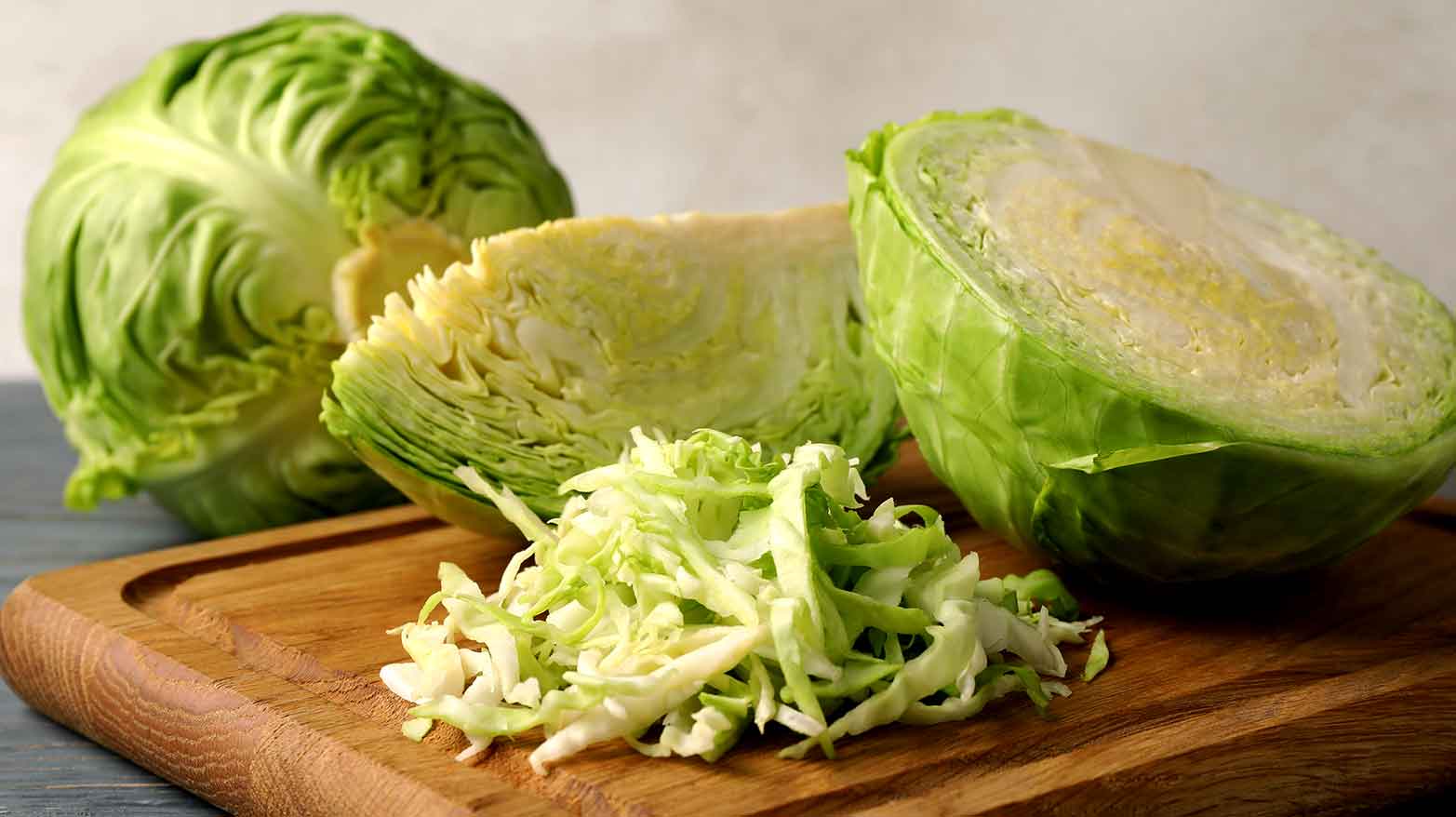
Cabbage was first discovered in Europe before 1000 B.C. Make apple cider–braised cabbage, or roast it and serve with a decadent rosemary and walnut dressing.
Recipe suggestions:
17. Parsnips
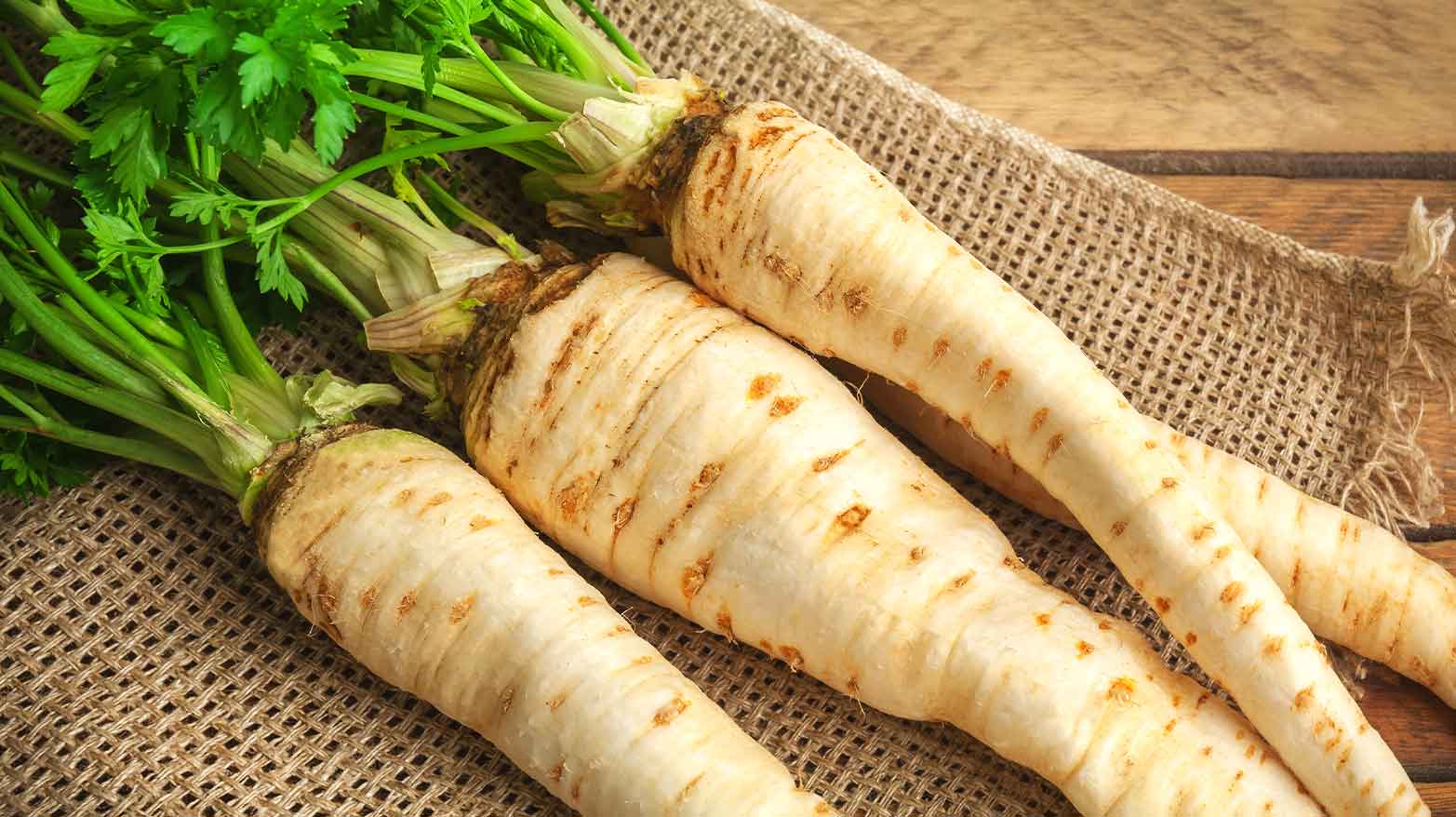
Used as medicine since before Roman times, parsnips are a sweet veggie with a lightly licorice flavor and a hint of spice. Roast parsnips and eat them with creamy garlic butter, or use them as a side dish with a casserole.
Recipe suggestions:
18. Garlic
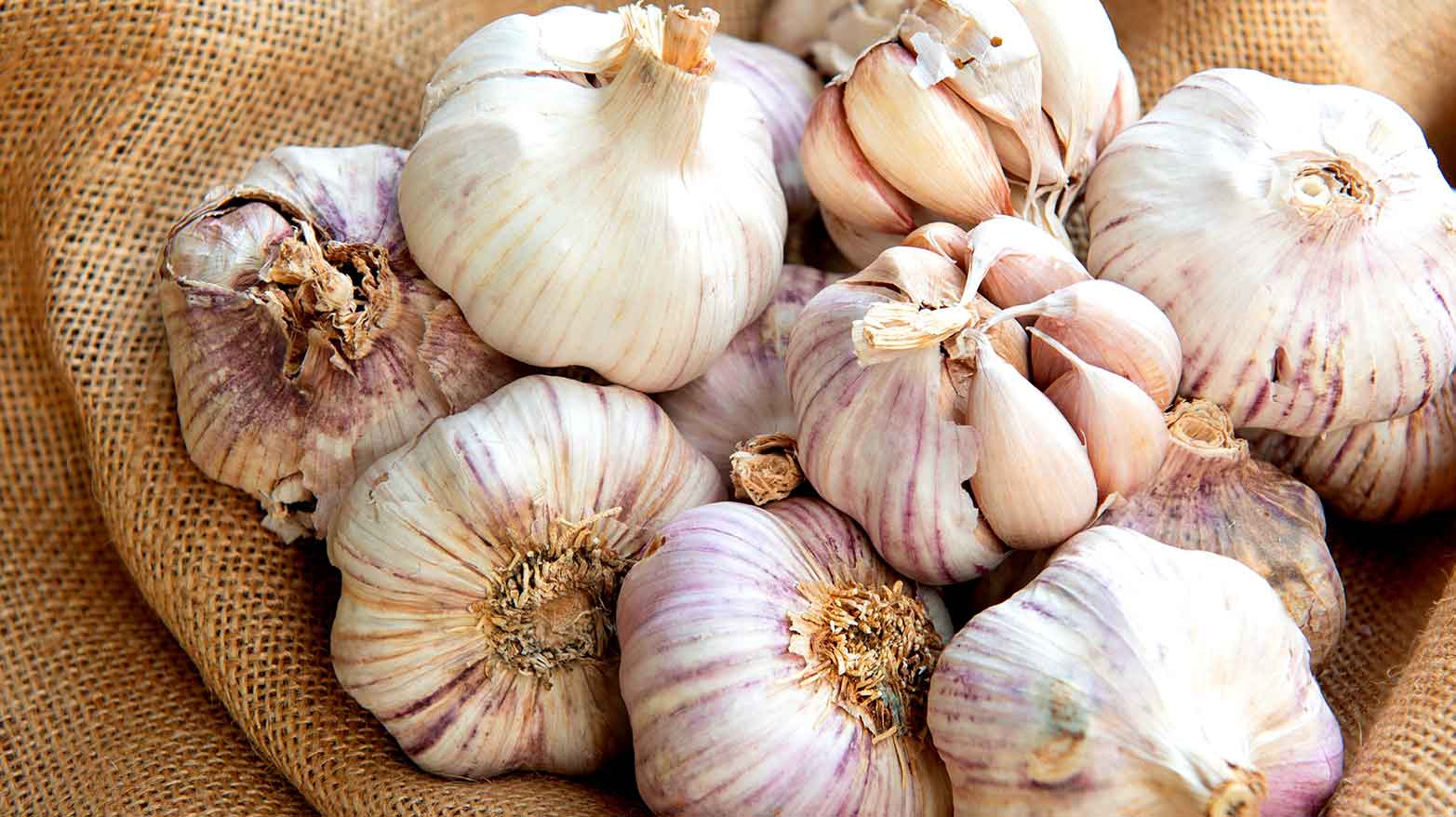
Native to Central Asia, garlic now grows across the globe. Garlic adds flavor to curries, stews, roasts and more. In the fall, try roasting whole bulbs to spread on toast or mix into mashed potatoes for a rich, savory boost.
Recipe suggestions:
19. Arugula
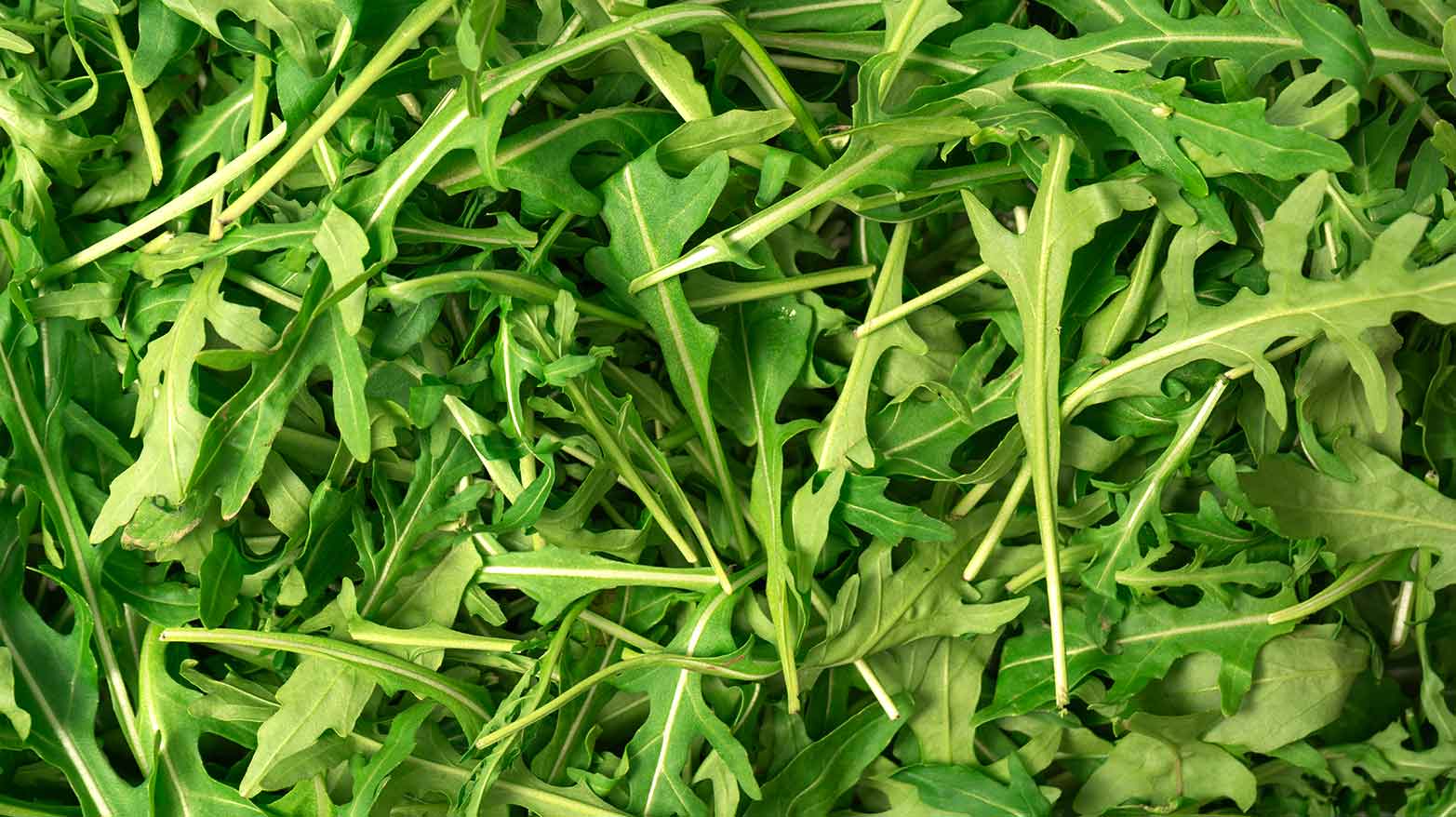
Arugula, also referred to as rocket, is a tasty vegetable known for its nutty, peppery taste. Packed with nutrients, it’s also a healthy choice for salads and sandwiches. Roast it with marinara sauce or simply use it as a garnish.
Recipe suggestions:
- Roasted beet and arugula salad with candied pecans
- Arugula salad with lemon vinaigrette
- Arugula pesto pasta with sun-dried tomatoes
20. Celery
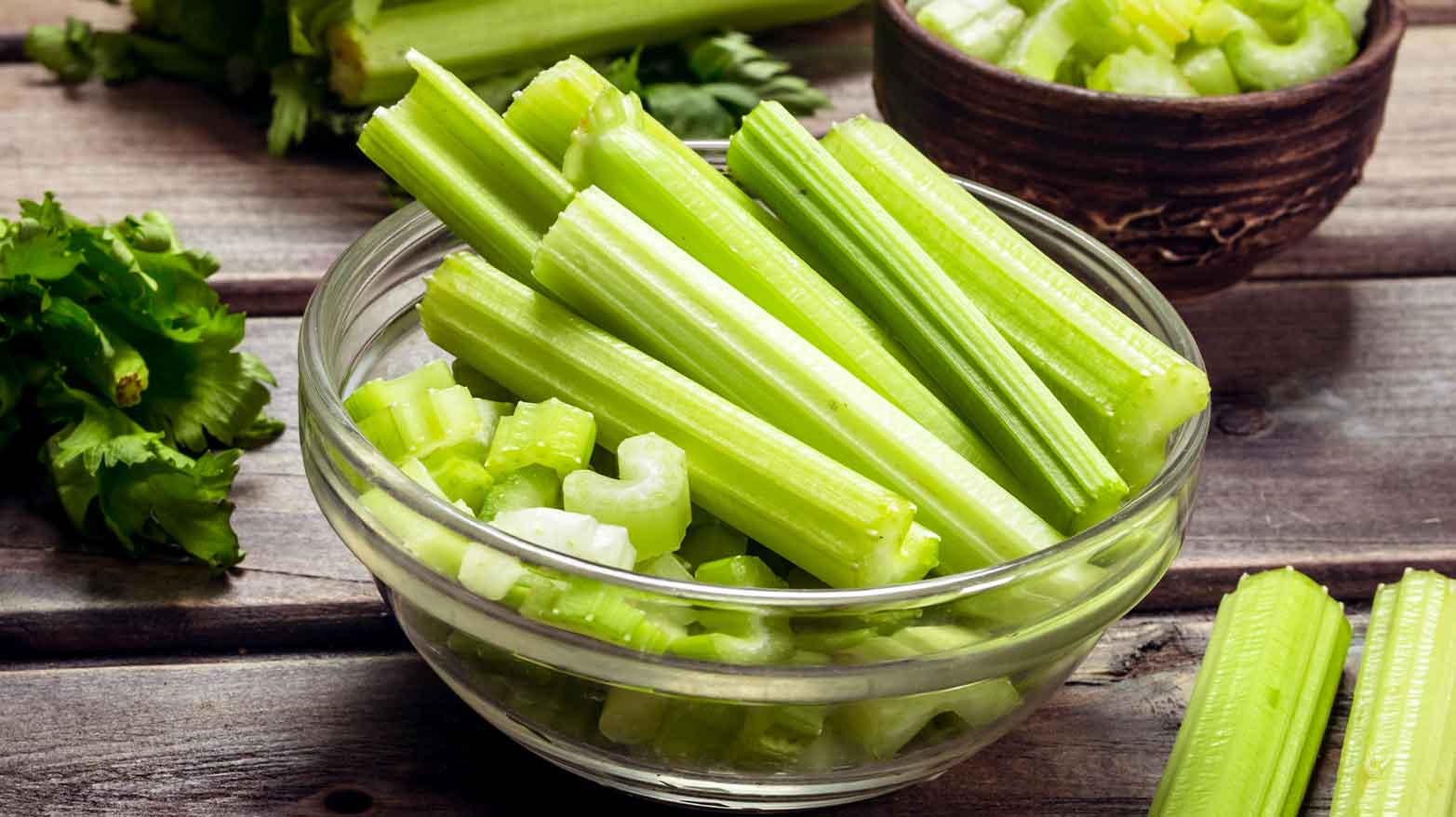
A specific variety of celery called smallage was discovered in China as far back as the 5th century. Use celery in fall soup recipes or blend it into a smoothie. Another great way to eat celery is by braising it with cider and succulent chicken. Celery and pepper caponata also complements seared steak perfectly.
Recipe suggestions:
21. Sweet potato
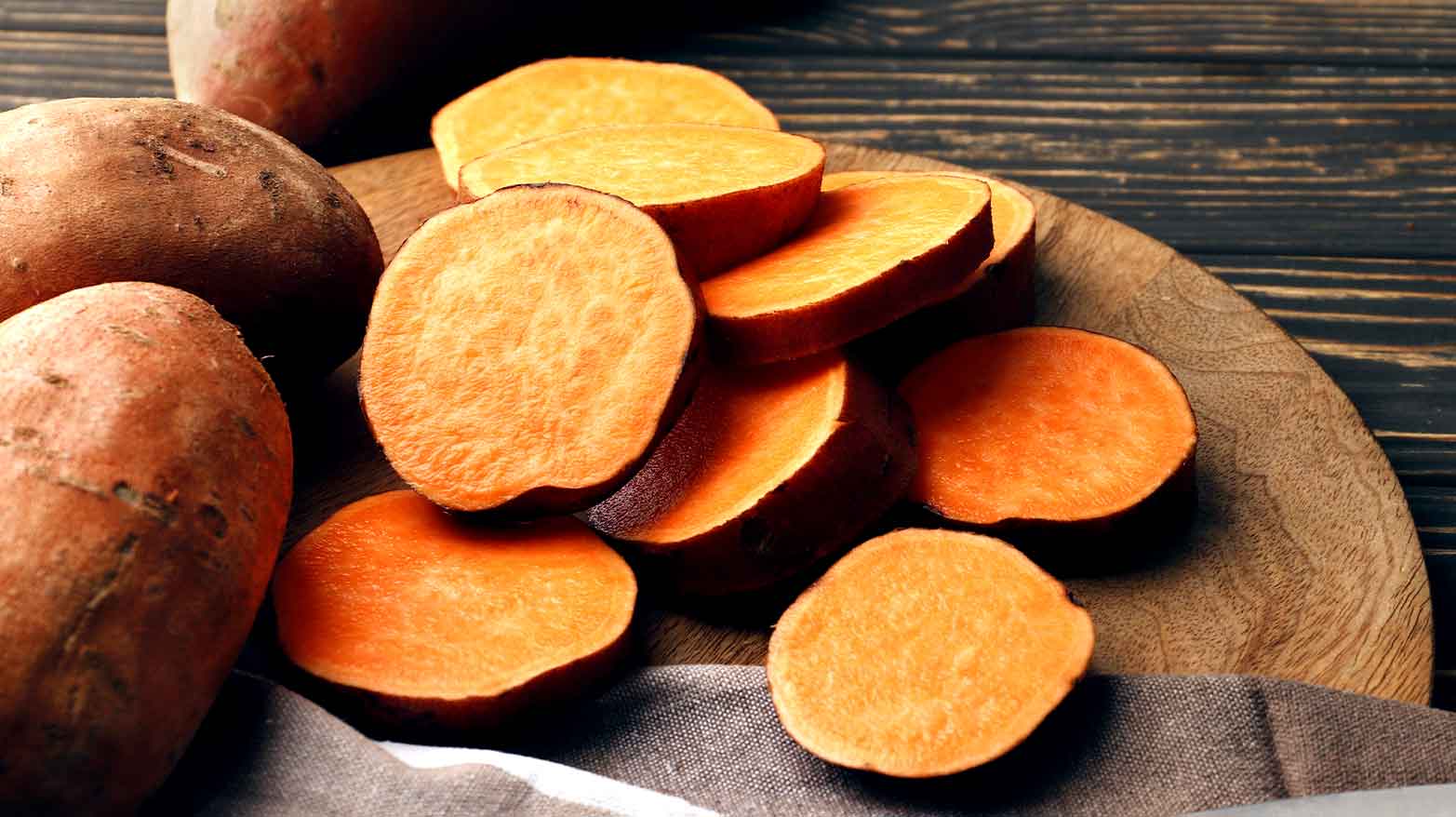
Sweet potatoes are often harvested in early fall, making them a seasonal favorite for cooler-weather meal ideas. Enjoy their natural sweetness when roasted, mashed or baked into dishes. Try pairing baked sweet potatoes with cinnamon, garlic or fresh herbs for a flavorful side dish.
Recipe suggestions:
- Crispy fried sweet potatoes
- Stuffed sweet potato with black beans, corn and avocado
- Candied sweet potatoes with pecan crust
22. Kale
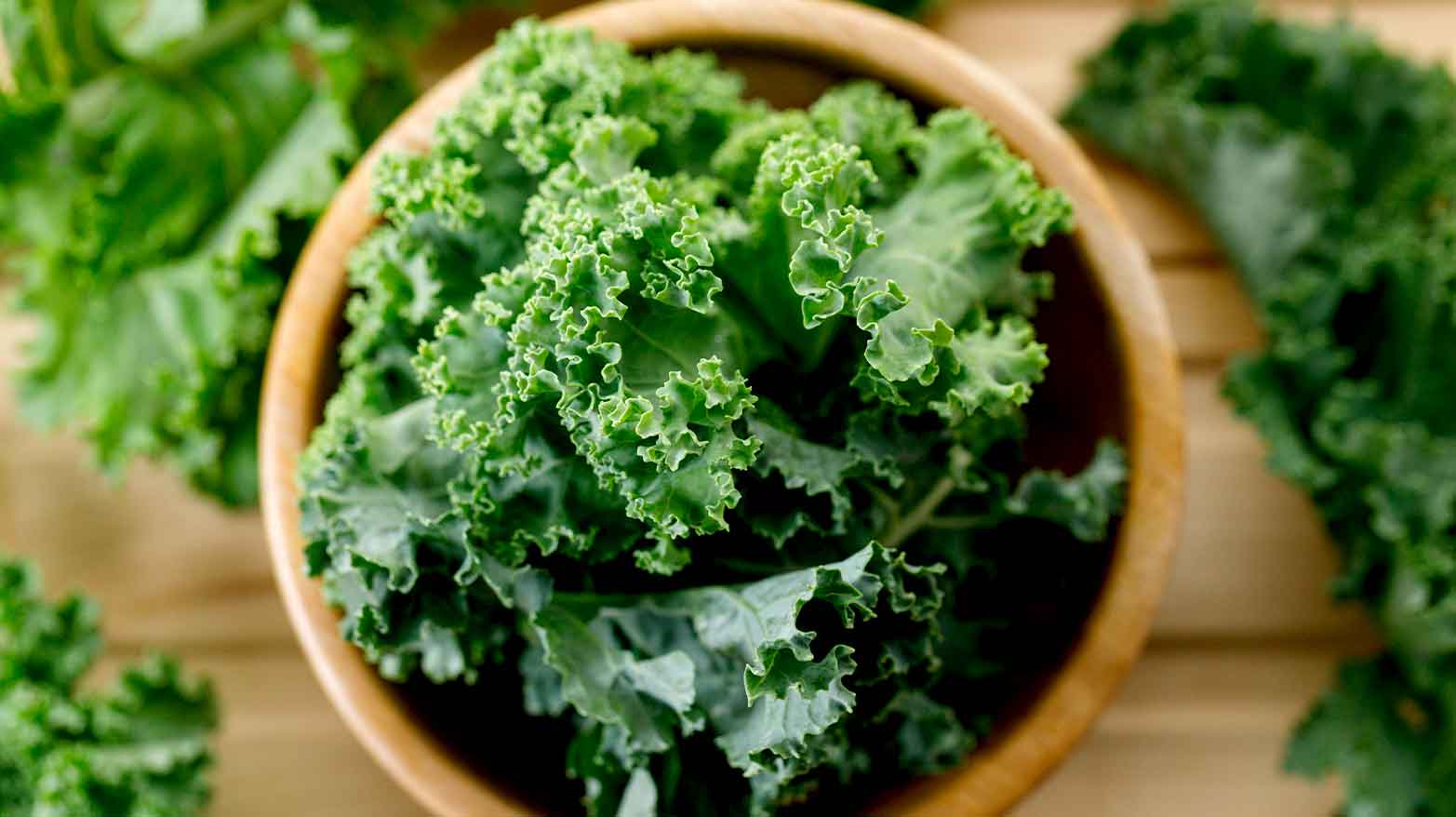
Thriving in cooler temperatures, kale is another favorite fall veggie. Use it as a hearty base for fall salads, stir it into soups or sauté it with garlic and olive oil. For more texture, bake kale into crisp chips or toss it with other roasted fall vegetables.
Recipe suggestions:
23. Chicory
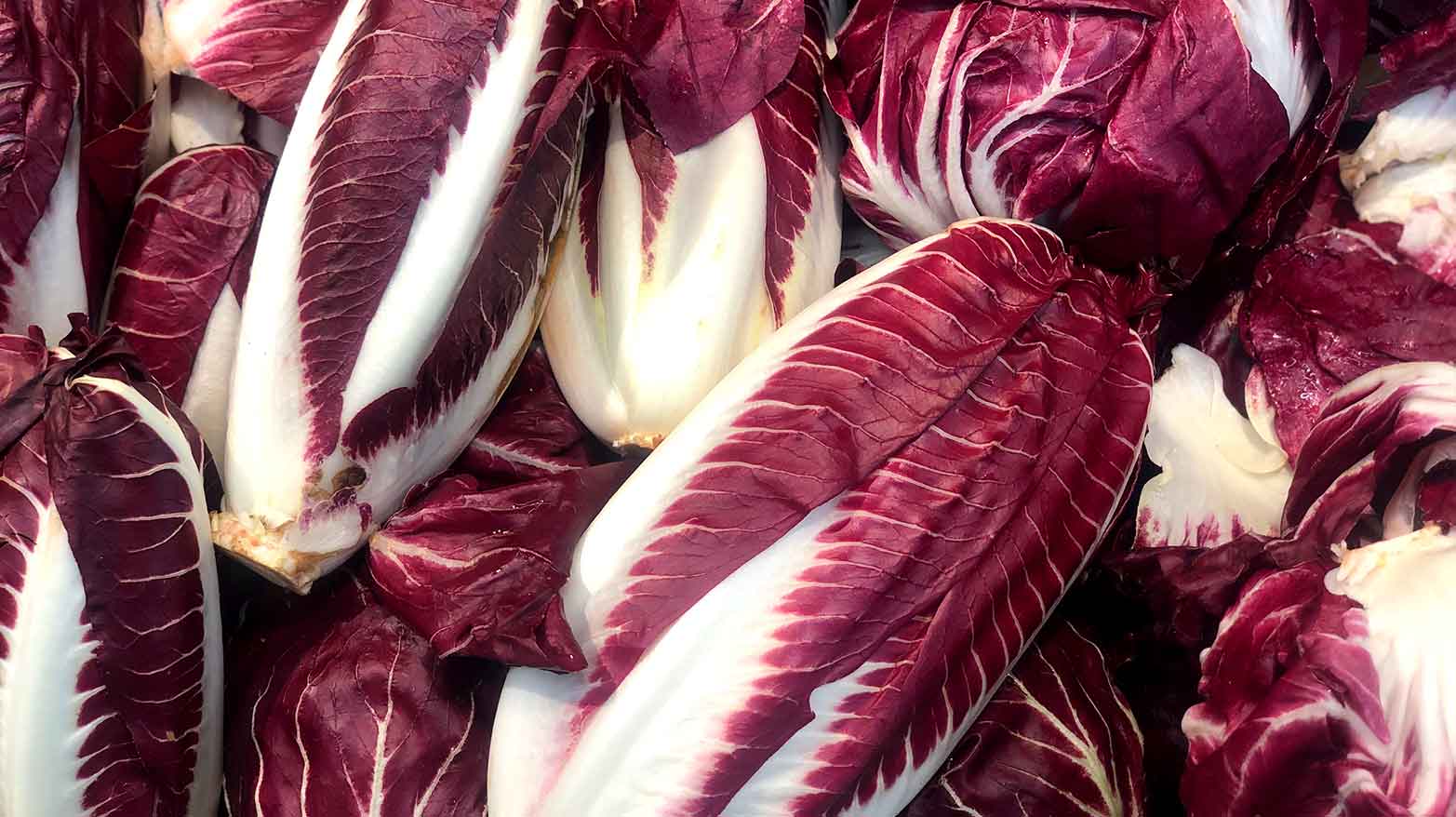
Chicory includes a range of bitter leafy greens like escarole and radicchio, all of which grow best in cool weather. It has a sharp flavor that holds up well when cooked. Try grilling chicory or mixing it into grain bowls and salads. You can also balance its bitterness with sweet dressings or fruit.
Recipe suggestions:
- Roasted chicory with pistachios and pomegranates
- Caramelized chicory with orange and thyme
- Sautéed chicory greens (southern Italian style)
24. Bell peppers
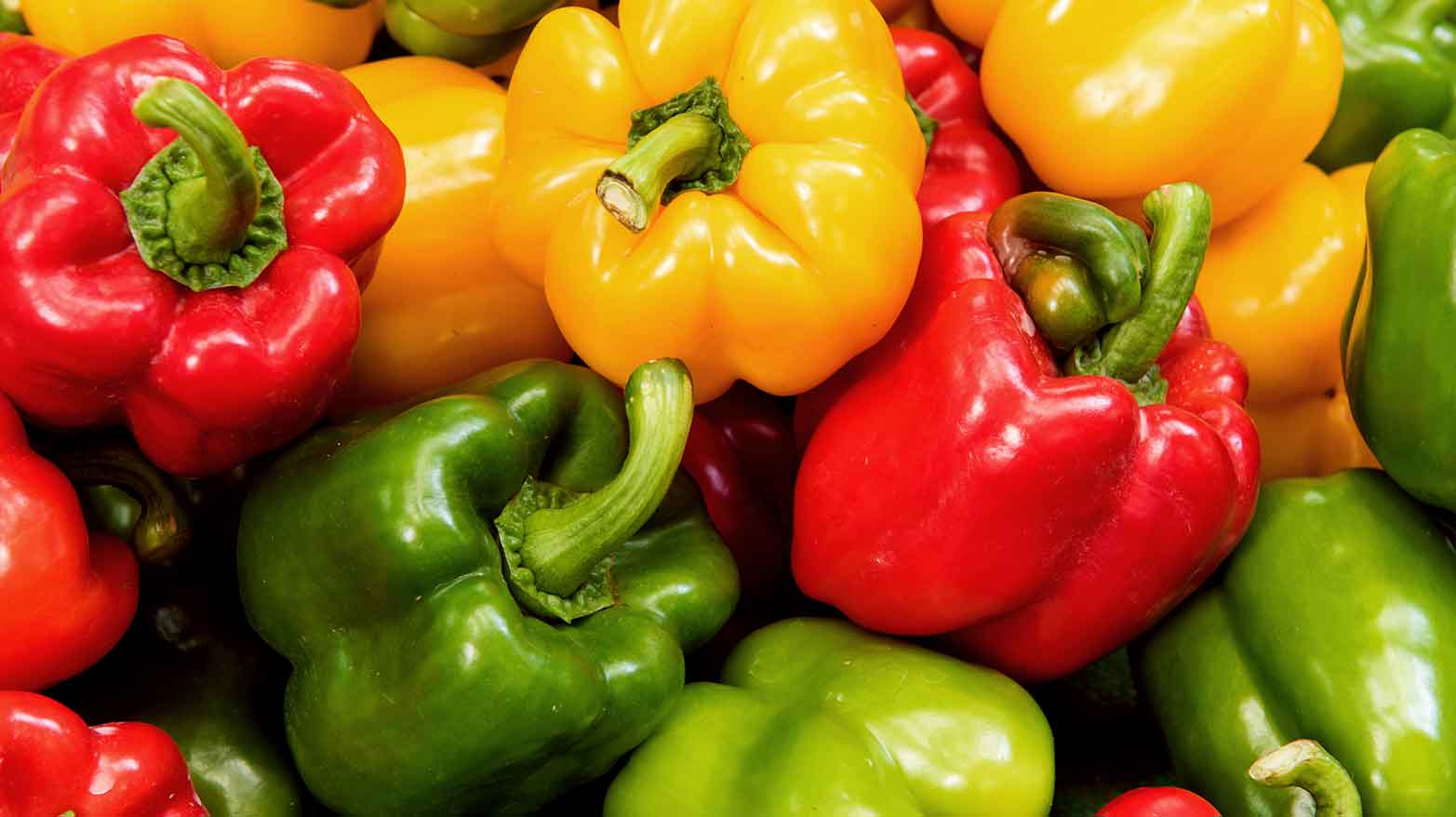
Though commonly associated with summer, bell peppers can stretch into fall depending on the climate. Their vibrant colors and mild flavor make them easy to use in everything from stir-fries to stuffed pepper recipes. You can also enjoy bell peppers roasted or blended into sauces.
Recipe suggestions:
- Instant Pot Italian sausage with bell peppers and onions
- Stuffed bell peppers with Mexican rice and cheese
- Sloppy joe mix with red bell pepper
25. Shallots

Shallots are harvested through the fall and offer a milder, slightly sweet alternative to onions. They melt easily into sauces and soups without overpowering them. Consider caramelizing shallots or whisking into vinaigrettes for extra flavor.
Recipe suggestions:
26. Leeks
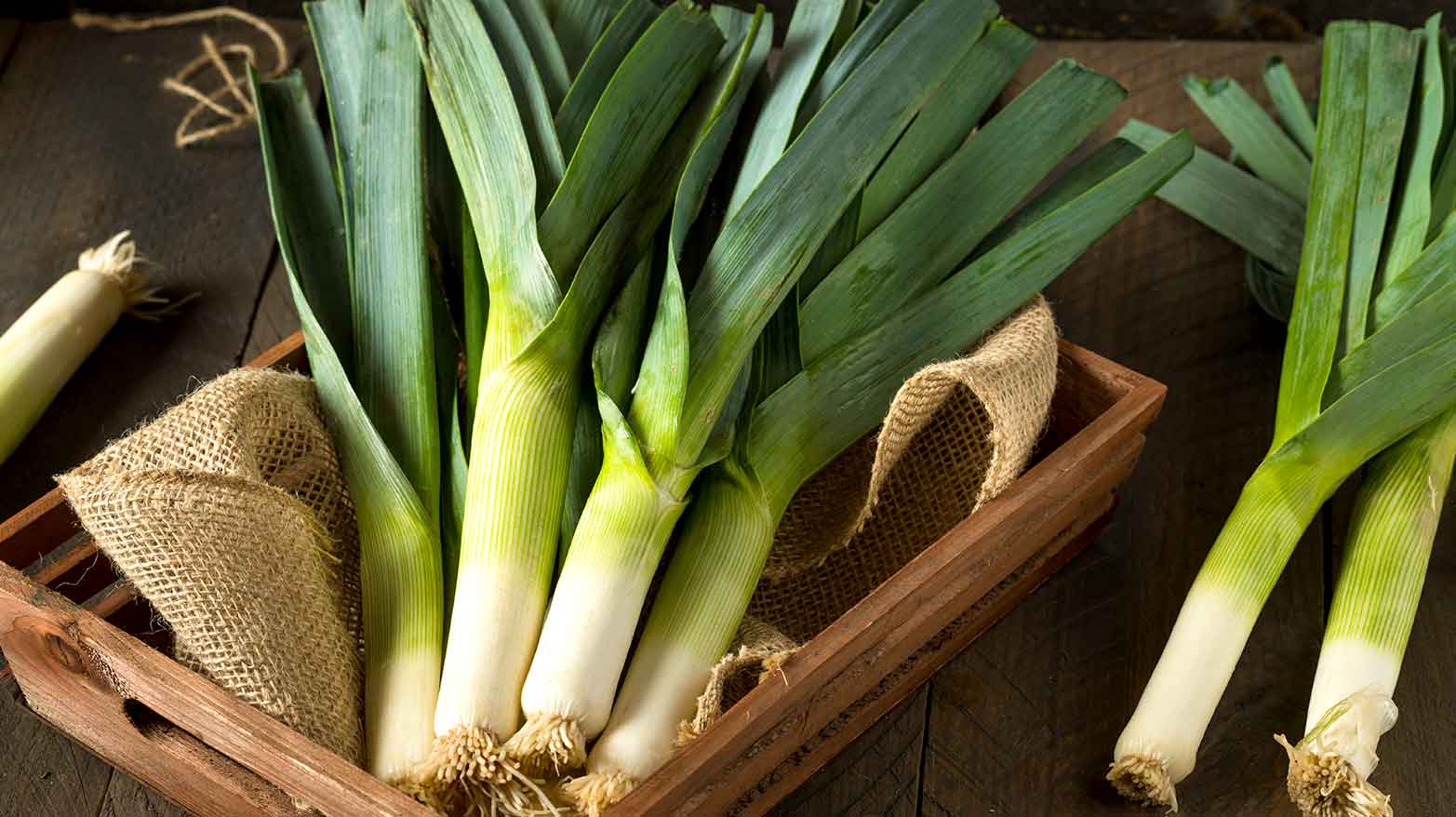
Leeks grow well in cooler weather and are typically harvested in the fall, when their flavor is at its sweetest. Use them as a base for soups, sauté them with butter or bake them into savory tarts. You can also enjoy leeks with potatoes, mushrooms and creamy sauces.
Recipe suggestions:
- French potato leek soup
- Roasted leeks with olive oil and Parmesan
- Leek salad with honey mustard dressing
27. Onions
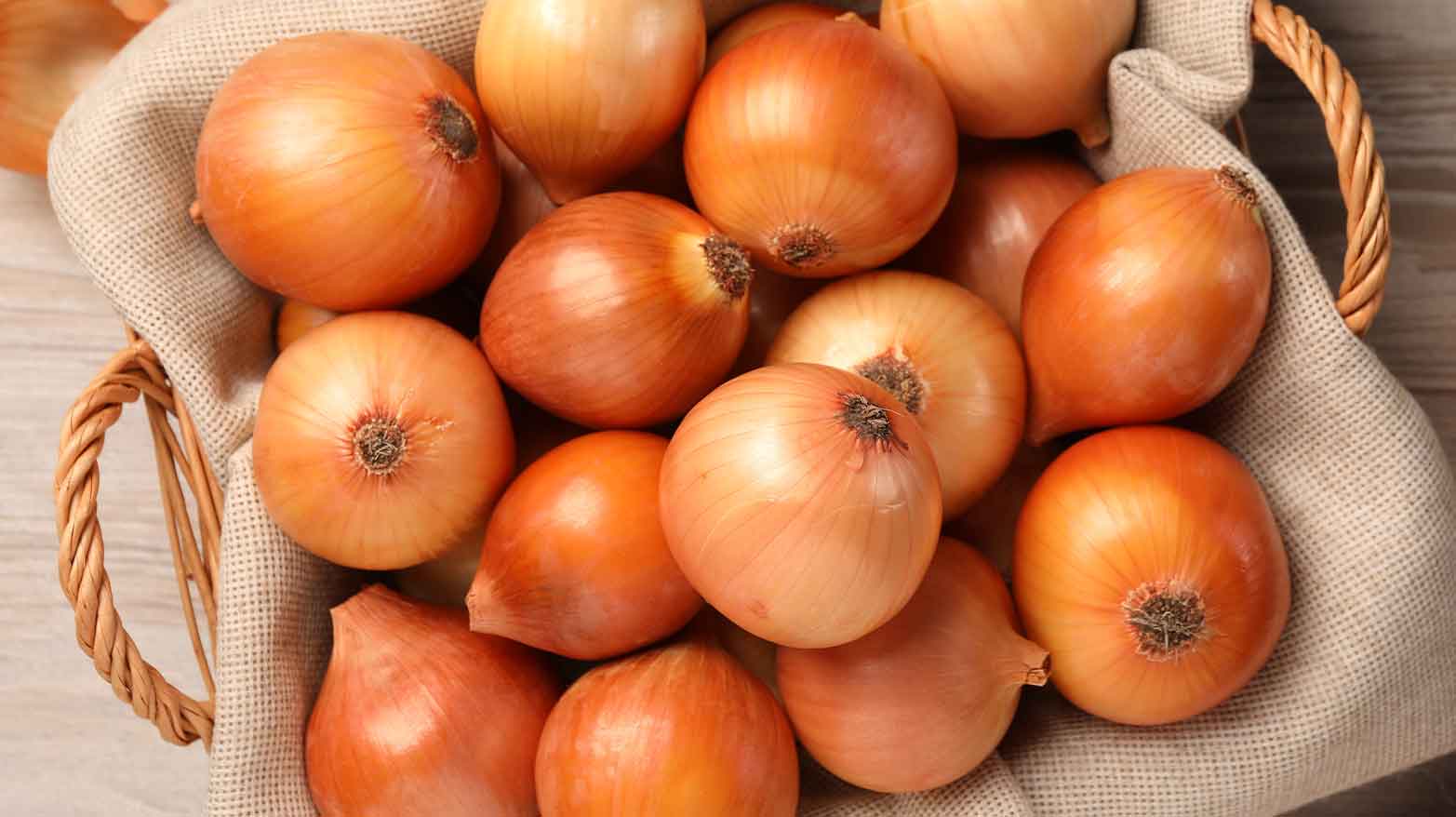
Onions are a pantry staple year-round, but many varieties are harvested in late summer and stored for fall. Their bold flavor enhances nearly any dish, from soups and stews to roasted vegetables. Chop them up for salads and salsas, or cook them down for caramelized sweetness.
Recipe suggestions:
28. Bok choy
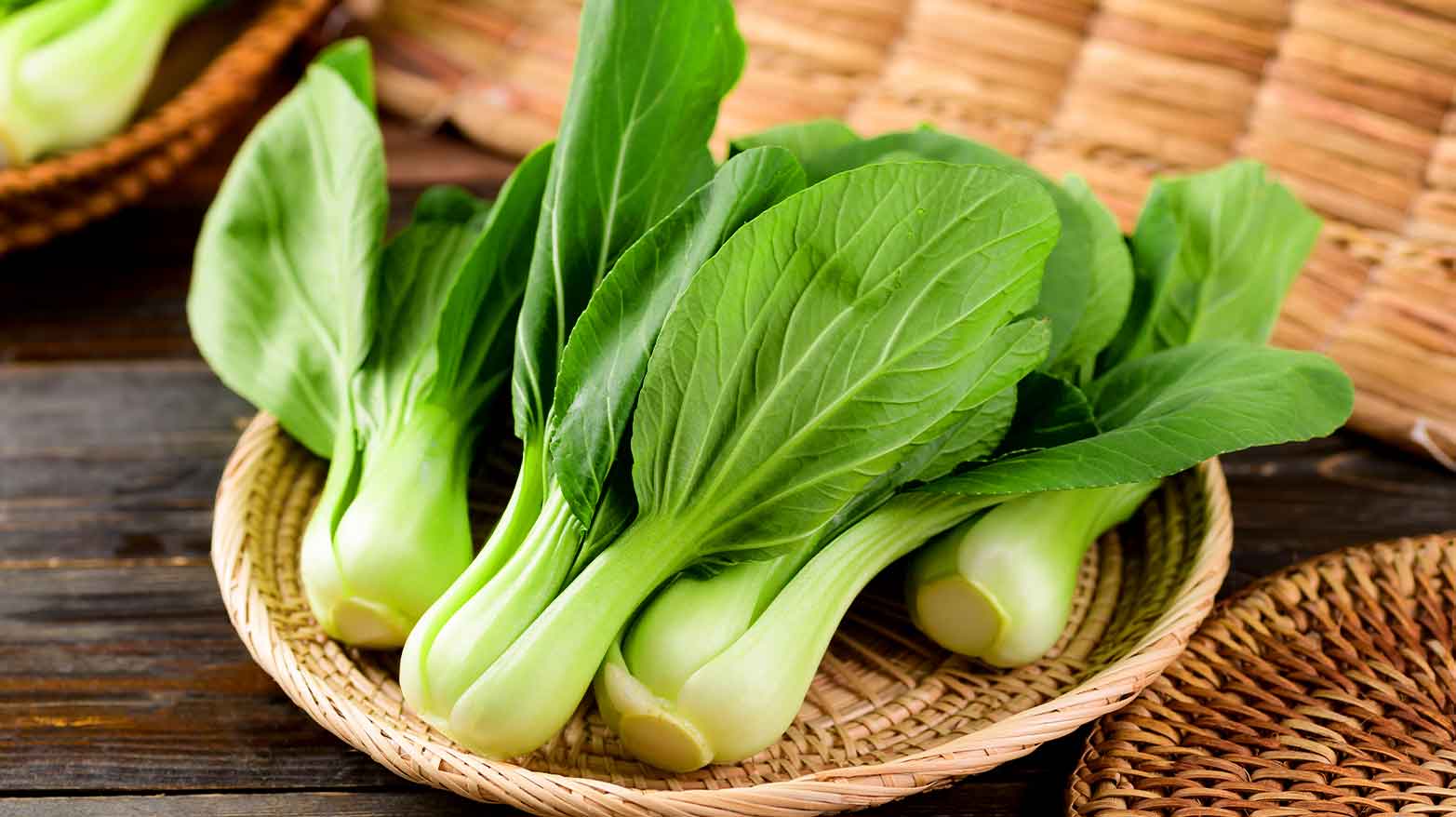
Enjoy this cool-season crop in the fall for its crisp and peppery bite. You can add bok choy to stir-fries, noodle bowls and soups, using the stalks for extra crunch. It pairs well with soy sauce, garlic and sesame oil.
Recipe suggestions:
29. Collard greens
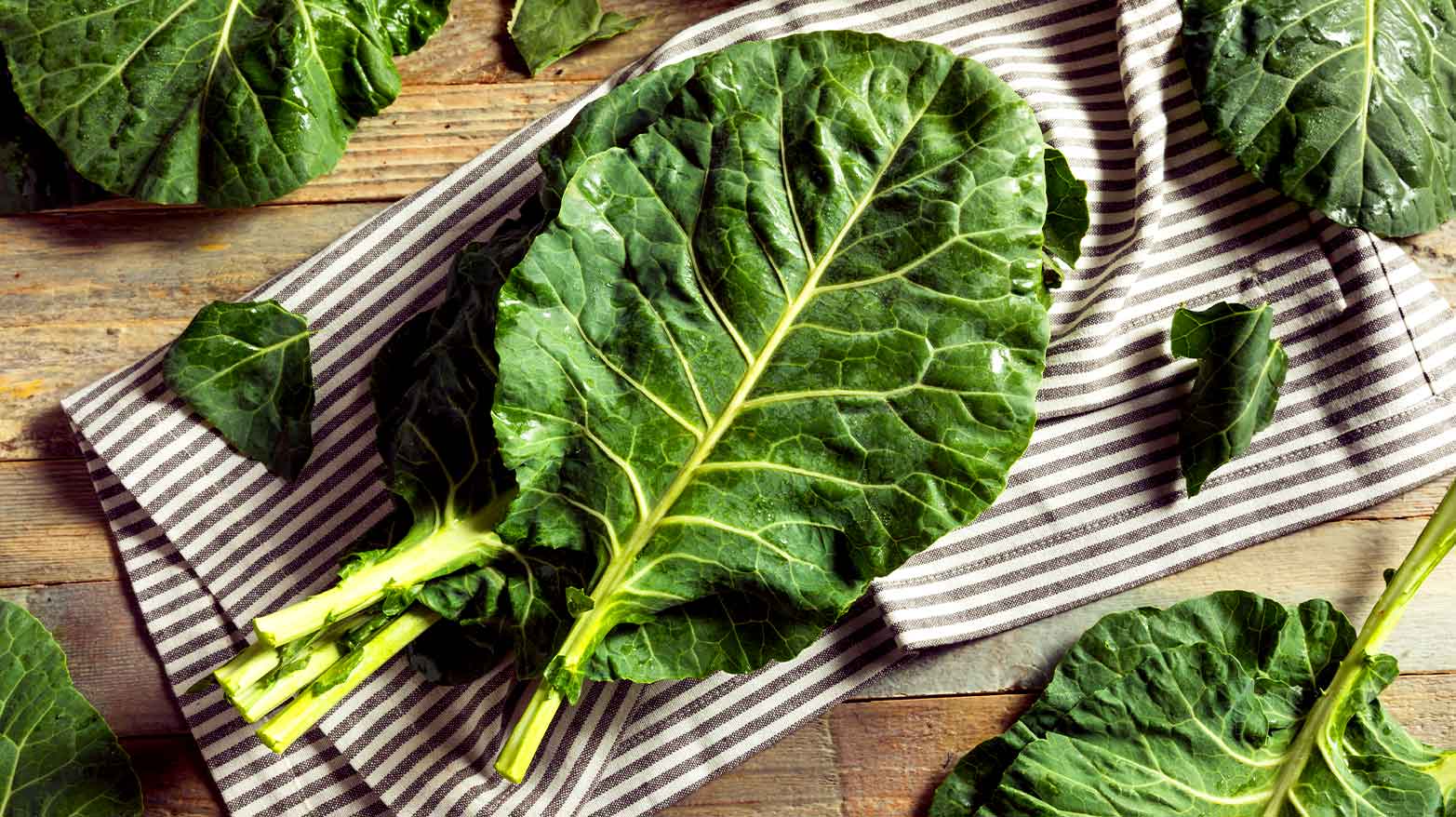
Autumn is the perfect time for this popular veggie. Collard greens deepen in flavor when you simmer them low and slow and pair well with onions or smoked meats. For a quick vegan Thanksgiving recipe, slice them thin and toss with your favorite seasoning.
Recipe suggestions:
30. Rutabagas
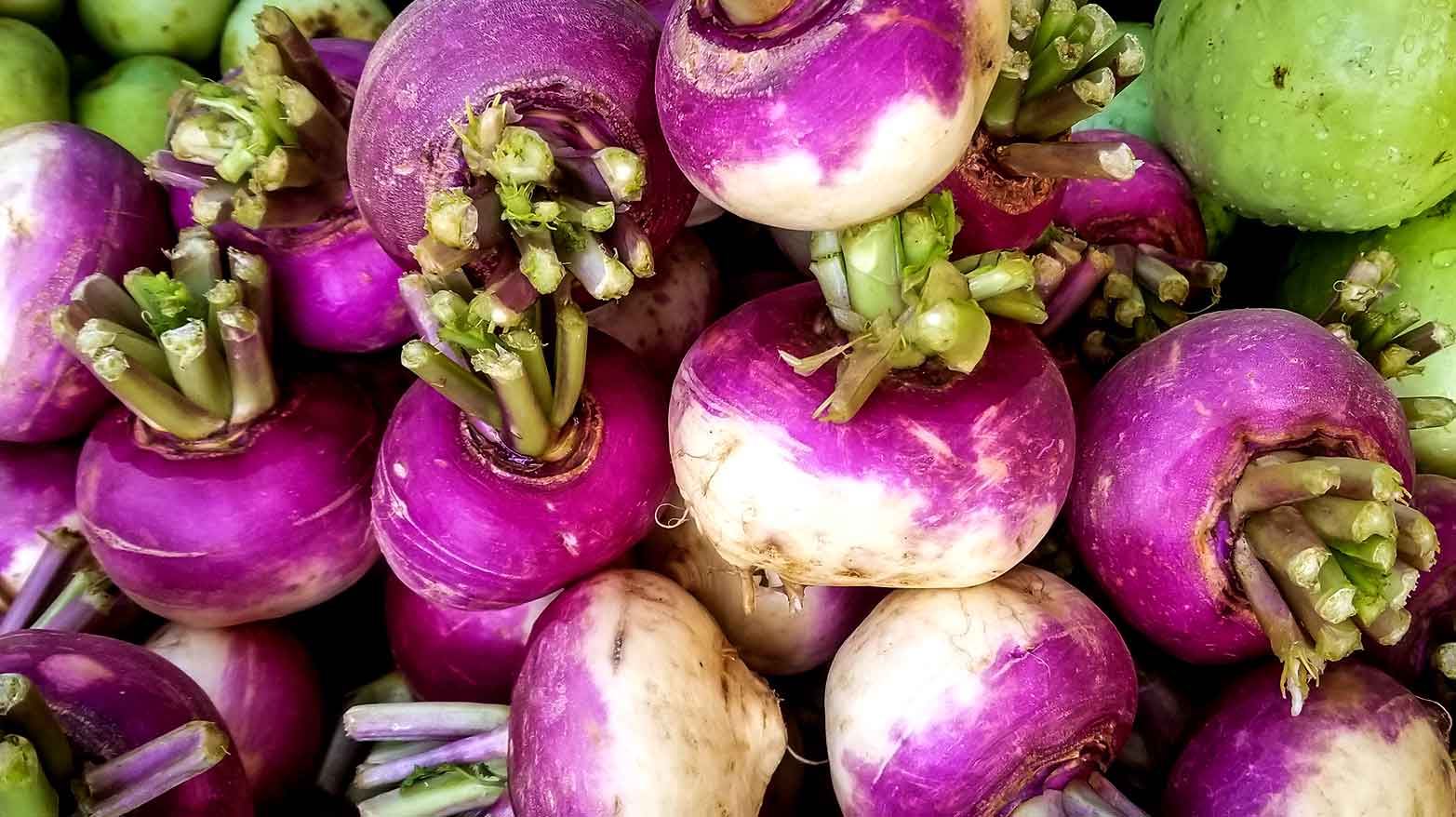
Rutabagas, a cross between cabbage and turnip, grow well in the fall and develop a sweeter flavor as the season progresses. Their firm texture works well in roasts, soups and stews. Mash them with butter or mix them with potatoes for a nutty twist on classic sides.
Recipe suggestions:
31. Turnips
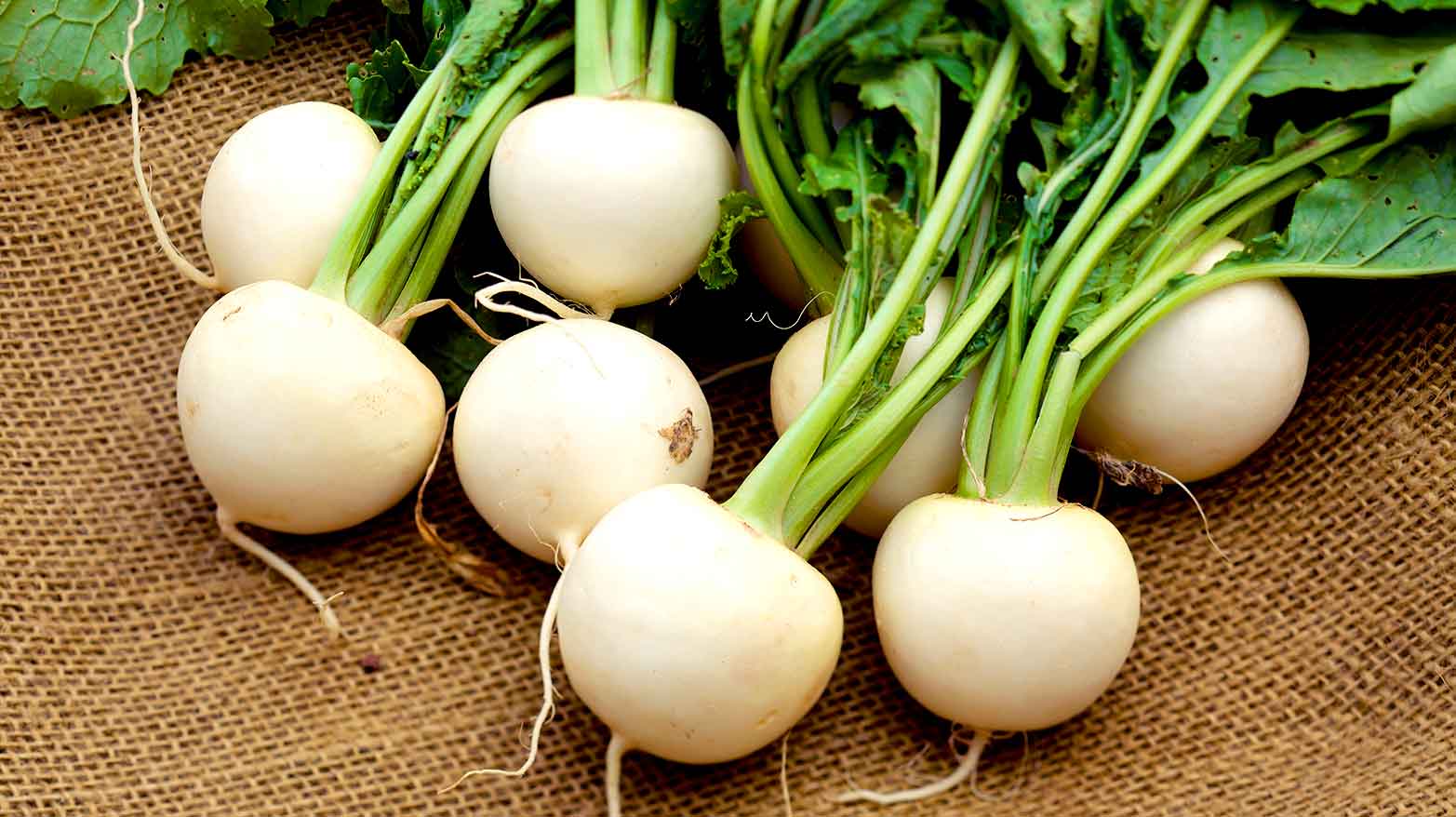
Turnips are a root vegetable with a mild peppery flavor that sweetens when cooked. Roast them with olive oil, mash them like potatoes or slice them into soups and stews. Both the root and the greens are edible and easy to use in fall meals.
Recipe suggestions:
32. Endive
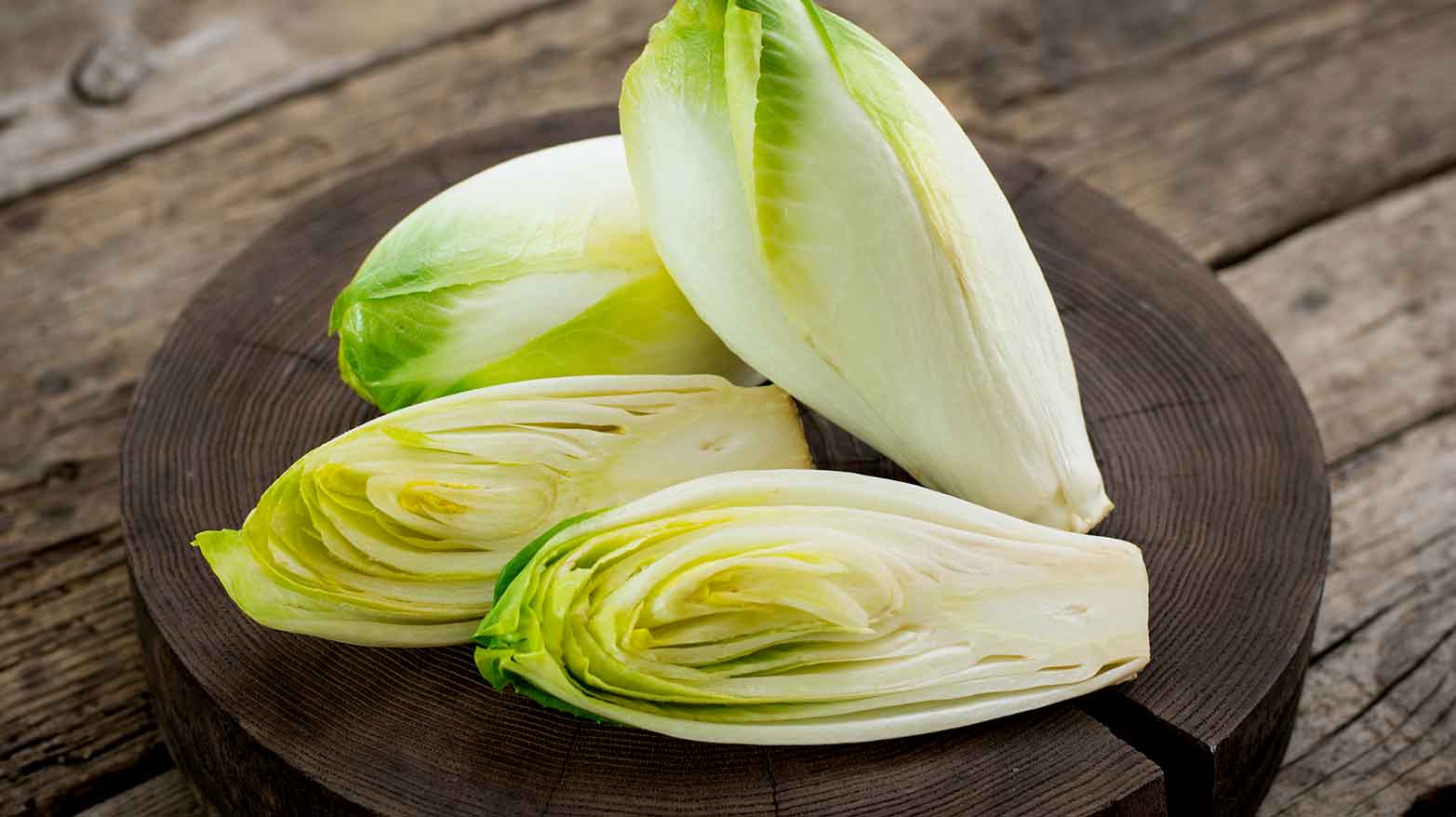
Endive is a type of chicory that thrives in fall weather and adds a crisp, slightly bitter bite to salads. It also cooks well when grilled or roasted, pairing nicely with cheese or balsamic glaze. You can even use the sturdy leaves as a base for appetizers or dips.
Recipe suggestions:
33. Butternut squash
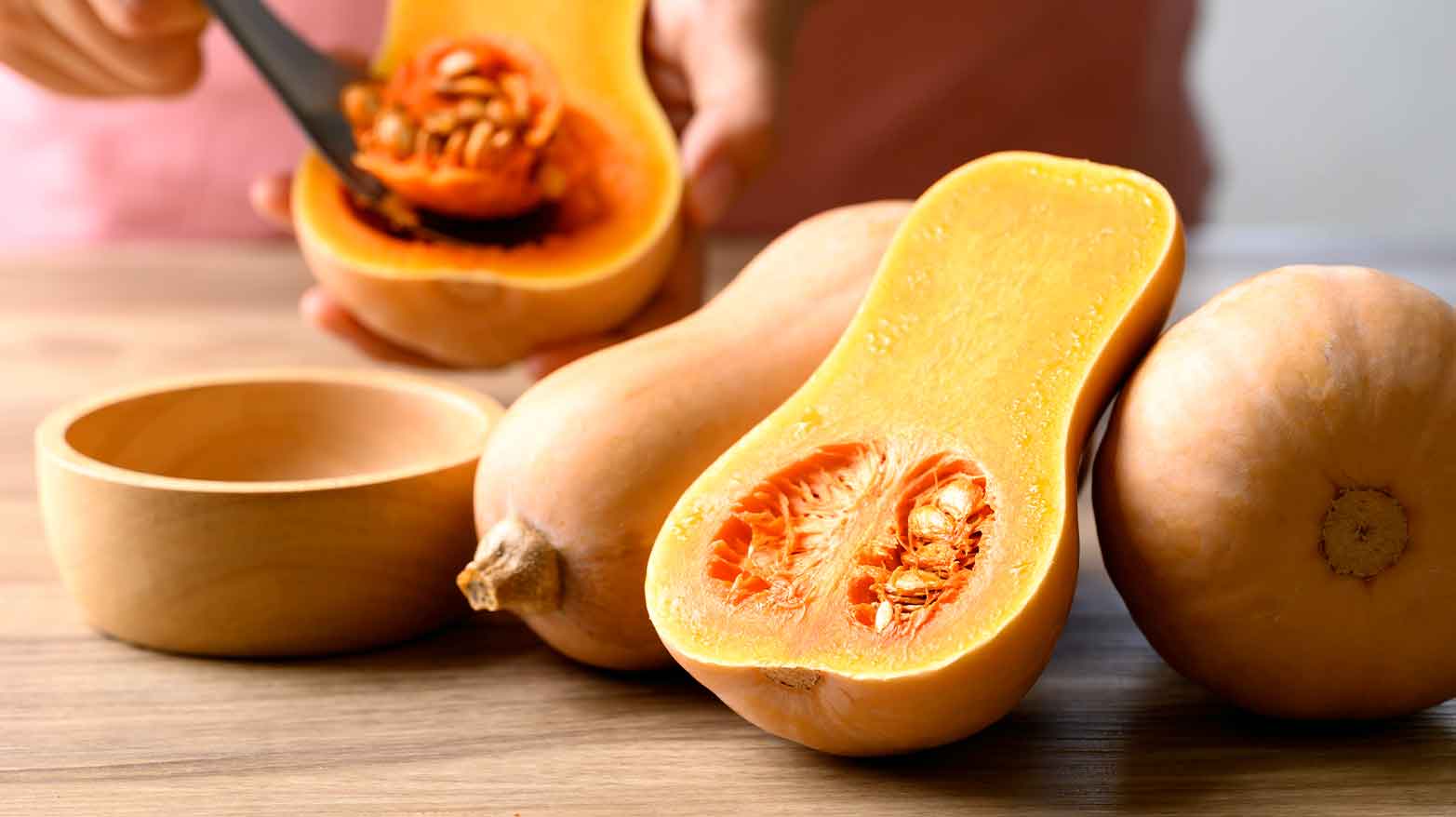
Butternut squash is a must-have fall veggie, coveted for its sweet and nutty flavor. It’s one of several seasonal squashes — including carnival, acorn, spaghetti and kabocha — that are easy to roast, mash or blend into soups. Pair butternut squash with warming spices like cinnamon and nutmeg for a cozy meal.
Recipe suggestions:
Fall vegetables FAQ
Now that you’ve gone through our list of fall vegetables, here are answers to common questions about growing and preparing them.
What vegetables are in season during fall?
Many vegetables peak in the fall, including carrots, turnips and rutabagas, as well as greens like kale, brussels sprouts and cabbage. You’ll also find a variety of winter squashes, such as butternut and acorn, along with leeks, garlic and sweet potatoes.
Which vegetables should I plant in autumn?
When planting vegetables in autumn, focus on those that thrive in cooler temperatures and can tolerate some frost. Ideal choices include leafy greens like kale, spinach and lettuce, as well as broccoli and root crops such as carrots and beets.
Which vegetables should I harvest in fall?
If you’re harvesting in the fall, look for cool-season vegetables that mature or improve during this season, like root crops. These include carrots, turnips and rutabagas, which gain sweetness after exposure to frost, and brassicas like broccoli and cabbage.
How do you store fall vegetables?
Storing fall veggies is fairly straightforward, and they can generally be kept fresh for quite some time. For best results, store cruciferous veggies in plastic bags before refrigerating them. Potatoes and other root vegetables shouldn’t be refrigerated but stored in a cool, dark place instead.
Get fall vegetables delivered straight to your doorstep
With so many errands to juggle, use Instacart to simplify your shopping. Just add everything you need to your cart, and an Instacart shopper will deliver your groceries to your home, hotel, Airbnb or vacation rental. Spend less time shopping and more time doing what you love.

Mel Hull
Author
Mel is a seasoned content strategist and food writer with over a decade of experience helping brands tell compelling stories. Inspired by her hometown of Houston, TX, she brings her love of bold flavors and Southern hospitality to the table. In the kitchen, she loves baking (especially banana bread!) and experimenting with Tex-Mex dishes.

Heather Matley
Editor
Heather Matley is an editor at Instacart whose passion for food and cooking has inspired her work on everything from grocery guides to recipe development. With over eight years of experience in editing, content creation, and search engine optimization, she strives to empower readers with the most effective tools, guides, and ideas to transform their home cooking.

Instacart Recommends
View most recent posts →