31+ Simple Cooking Activities for Kids

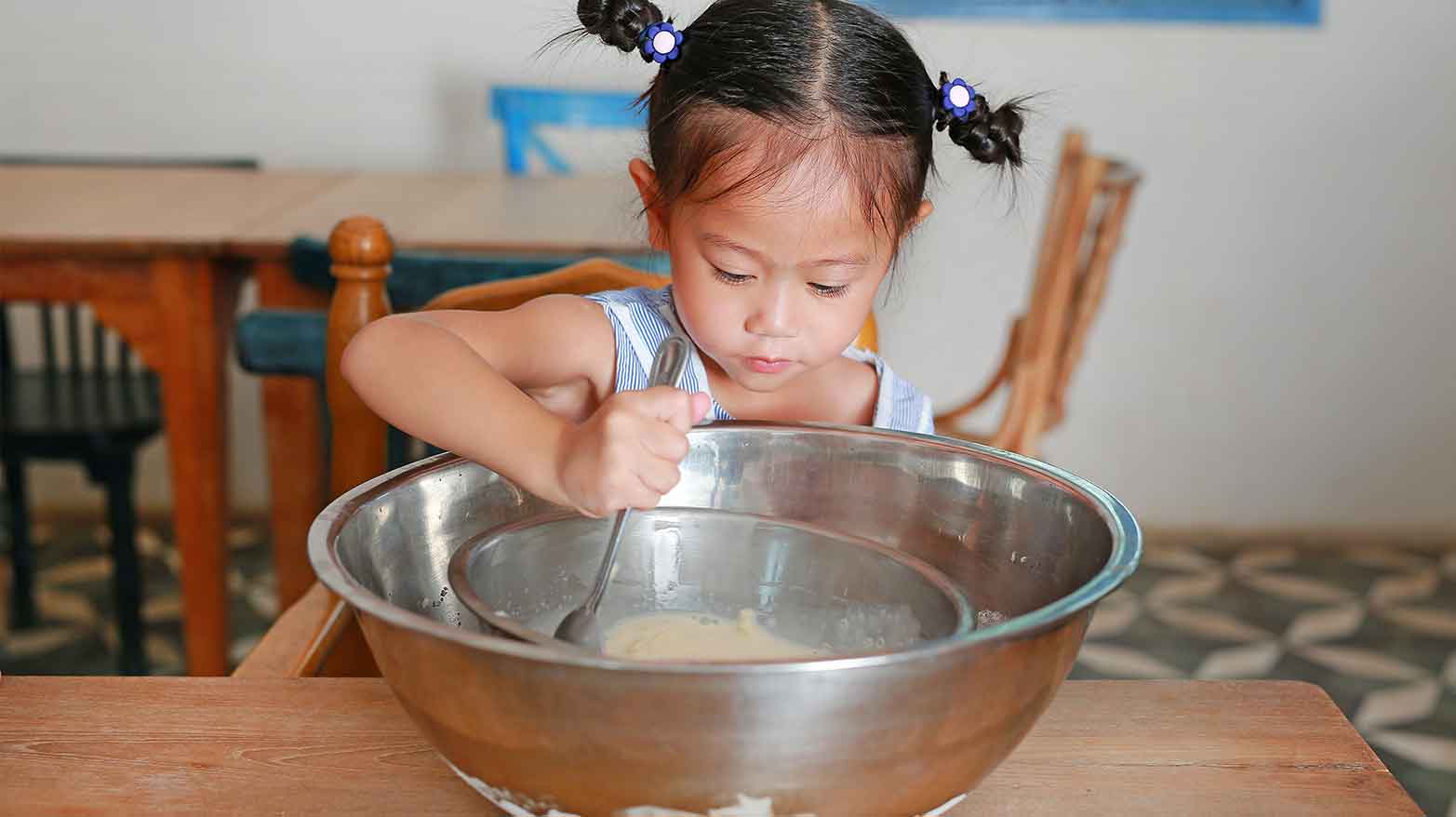
Let's get real: The most epic adventures happen in the kitchen. No, we're not talking about microwave dinners and takeout boxes. We're talking about transforming your kitchen into a culinary playground for your mini-mes!
These easy cooking activities for kids encourage you to ditch the pressure and embrace the flour-dusted chaos. We're here to show you how to turn even the simplest recipe into a bonding experience filled with laughter, learning and a sprinkle of creativity. So, grab your whisks and spatulas because it's time to cook up some serious fun with your little sous chefs!
1. Playful pizza
Ages: 2+
What they’ll learn: Following directions, portion control, creativity
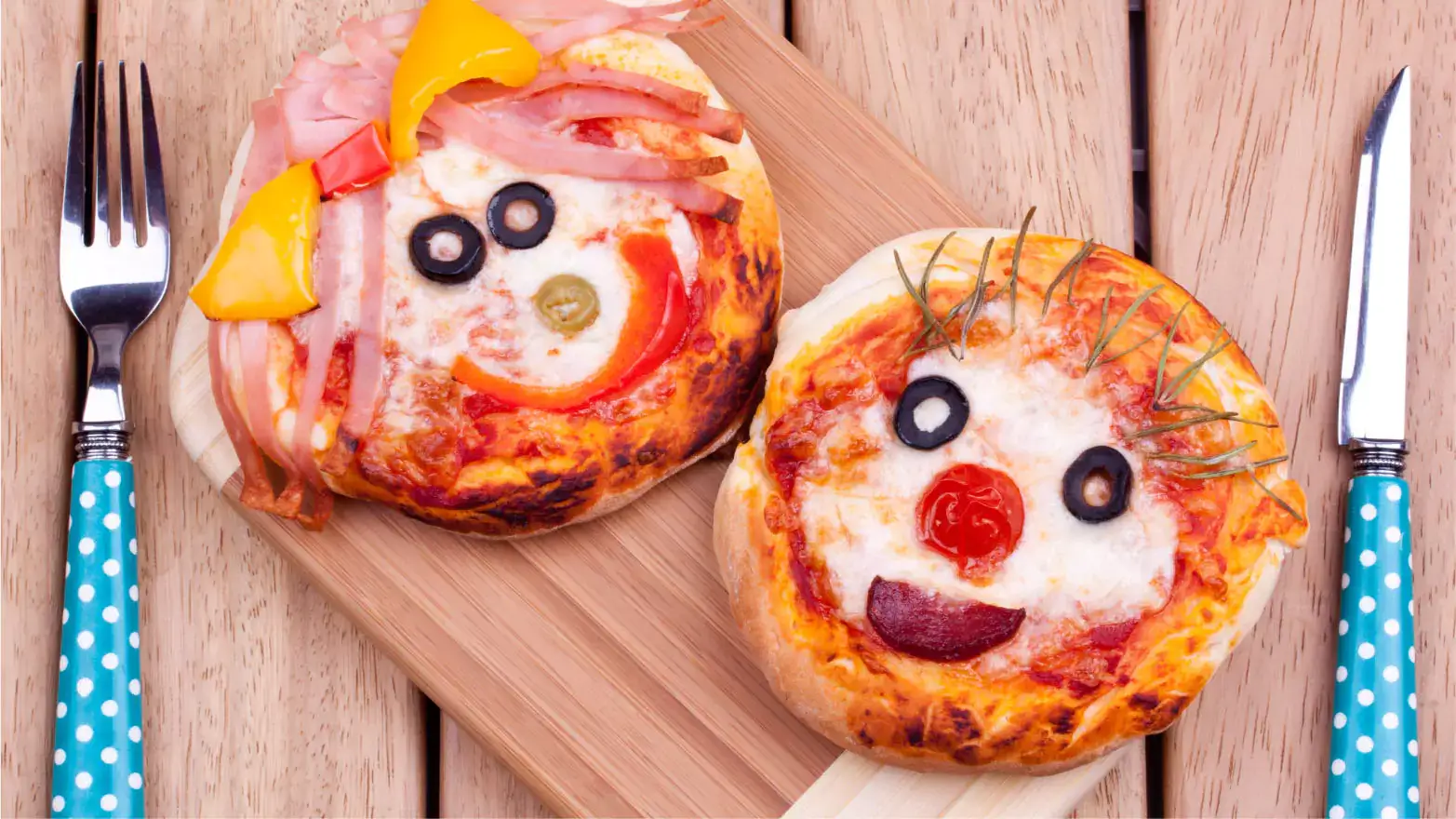
This all-ages pleaser is a sneaky way to teach your little ones about portion control (because more toppings aren't always better), following directions and the joy of creative self-expression. (Pineapple on pizza? You do you, kiddo.) Let your little ones choose their favorite toppings like:
- Mozzarella cheese
- Pepperoni
- Onions
- Olives
- Peppers
- Bacon
- Pineapple
- Spinach
Get ready for some messy smiles and some truly unique pizza combos!
How to do it:
- Whip up a batch of pizza dough or buy yourself some time with store-bought crusts.
- Supervise your kids as they roll out the dough, spread the pizza sauce and arrange their toppings.
- Bake your pizzas according to the instructions.
Tips:
- Prep chopped veggies beforehand to avoid knife work for younger kids.
- Provide small spoons for easy spreading and portion control.
2. Pancake playtime
Ages: 2-5
What they'll learn: Mixing, pouring, basic shapes
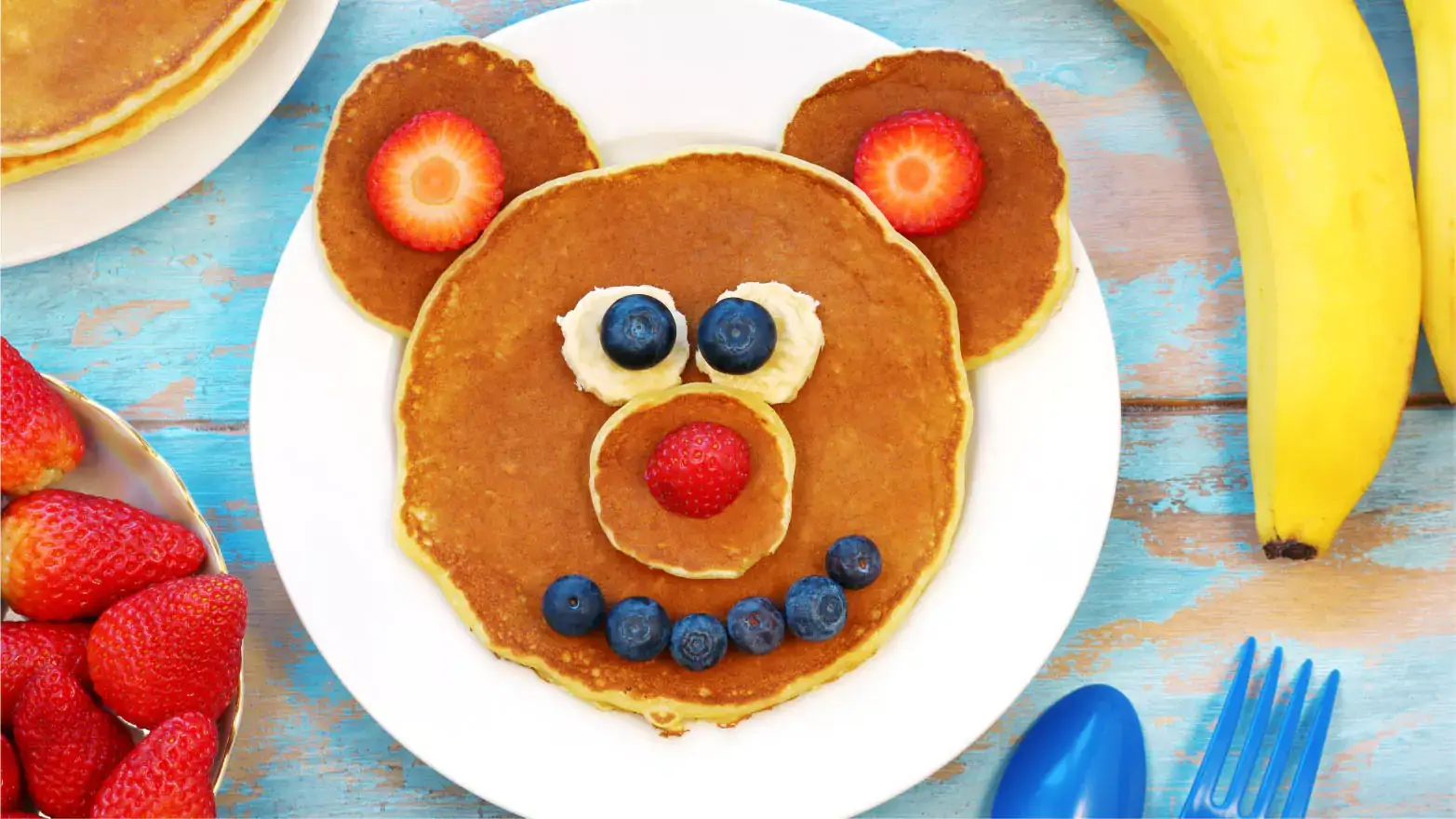
Making pancakes with your kids can be a fun and educational activity that introduces them to essential kitchen skills, like practicing hand-eye coordination and portion control as they carefully pour the batter onto the griddle.
And who doesn't love getting creative with fun shapes? Kids can use cookie cutters or squirt bottles to make pancakes in all sorts of shapes and sizes!
How to do it:
- Use a pre-made pancake mix or a simple pancake recipe.
- Let your little ones help pour the batter onto a griddle (supervised, of course!).
- Get creative with spoons or cookie cutters to create pancakes in fun shapes and sizes.
Tips:
- Invest in a kid-friendly, easy-grip pouring spout for the batter.
- Use a nonstick pan to prevent sticking and frustration.
- Provide fresh fruit, peanut butter and whipped cream so kids can be even more creative with decorating their own pancakes!
3. Kid’s charcuterie board
Ages: 2-8
What they'll learn: Fine motor skills, color recognition, building balanced bites
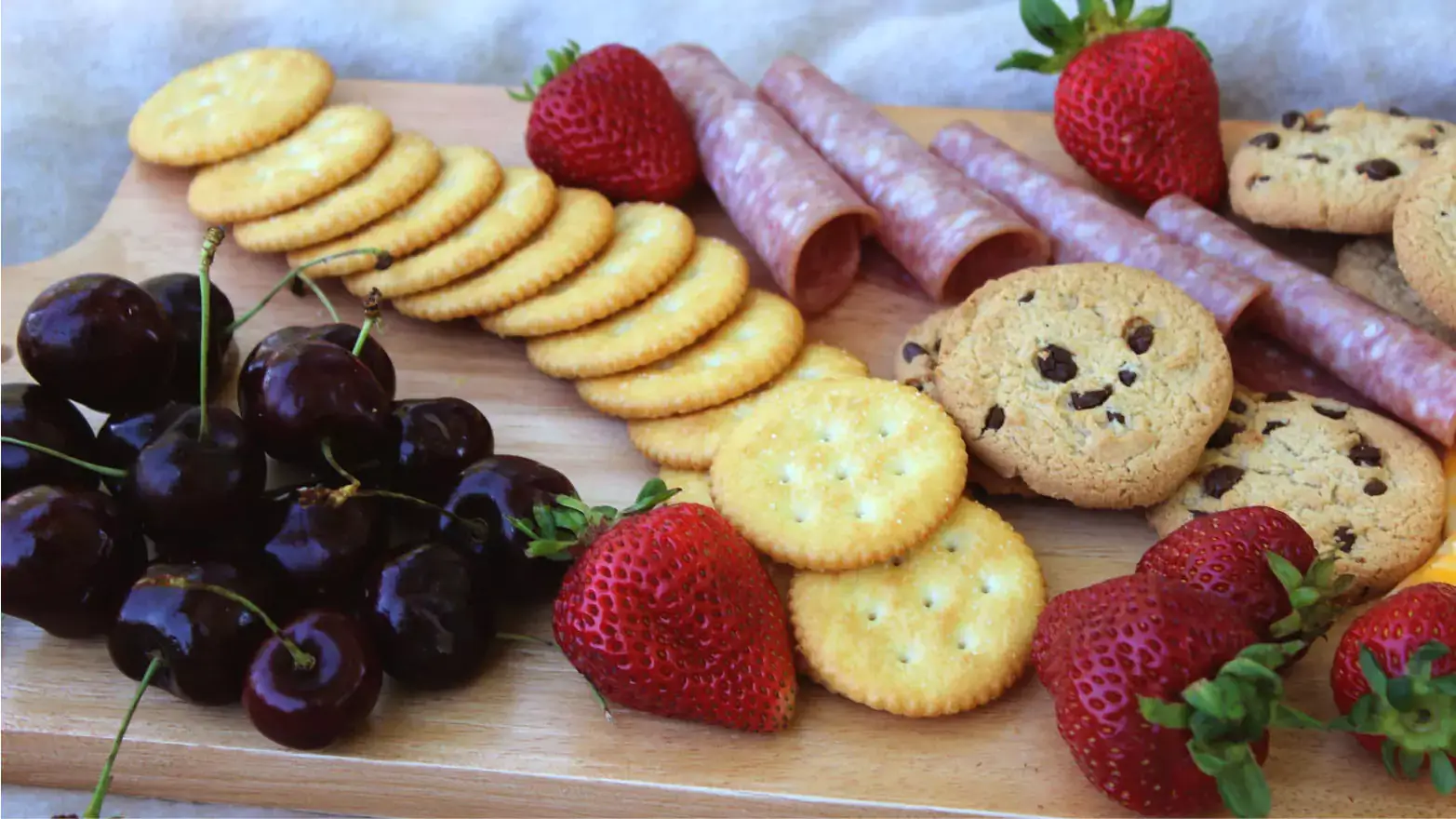
Charcuterie boards aren’t just for adults! Helping your kids arrange cheese slices, grapes and crackers into rows or patterns can help strengthen their fine motor skills and hand-eye coordination. The vibrant colors provide a natural opportunity to talk about color recognition and sorting. Perhaps most importantly, a charcuterie board empowers kids to build balanced bites by choosing different textures and flavors from each section.
Fun themes can add another layer of excitement. Try a "dive under the sea" board with fish-shaped crackers, seaweed snacks and mini cheese wheels, or a "rainbow" board with an array of colorful fruits and veggies!
How to do it:
- Provide a variety of kid-friendly finger foods and help your child arrange them on a tray.
- Let your little ones use tongs or small forks to create their own mini charcuterie masterpieces.
Tips:
- Use cookie cutters to cut cheese or lunch meat into fun shapes.
- Add a small bowl of yogurt with granola and berries for a sweet and healthy option.
- Cut grapes in half to avoid choking hazards for younger children.
- Introduce new foods to picky eaters in a fun and visually appealing way.
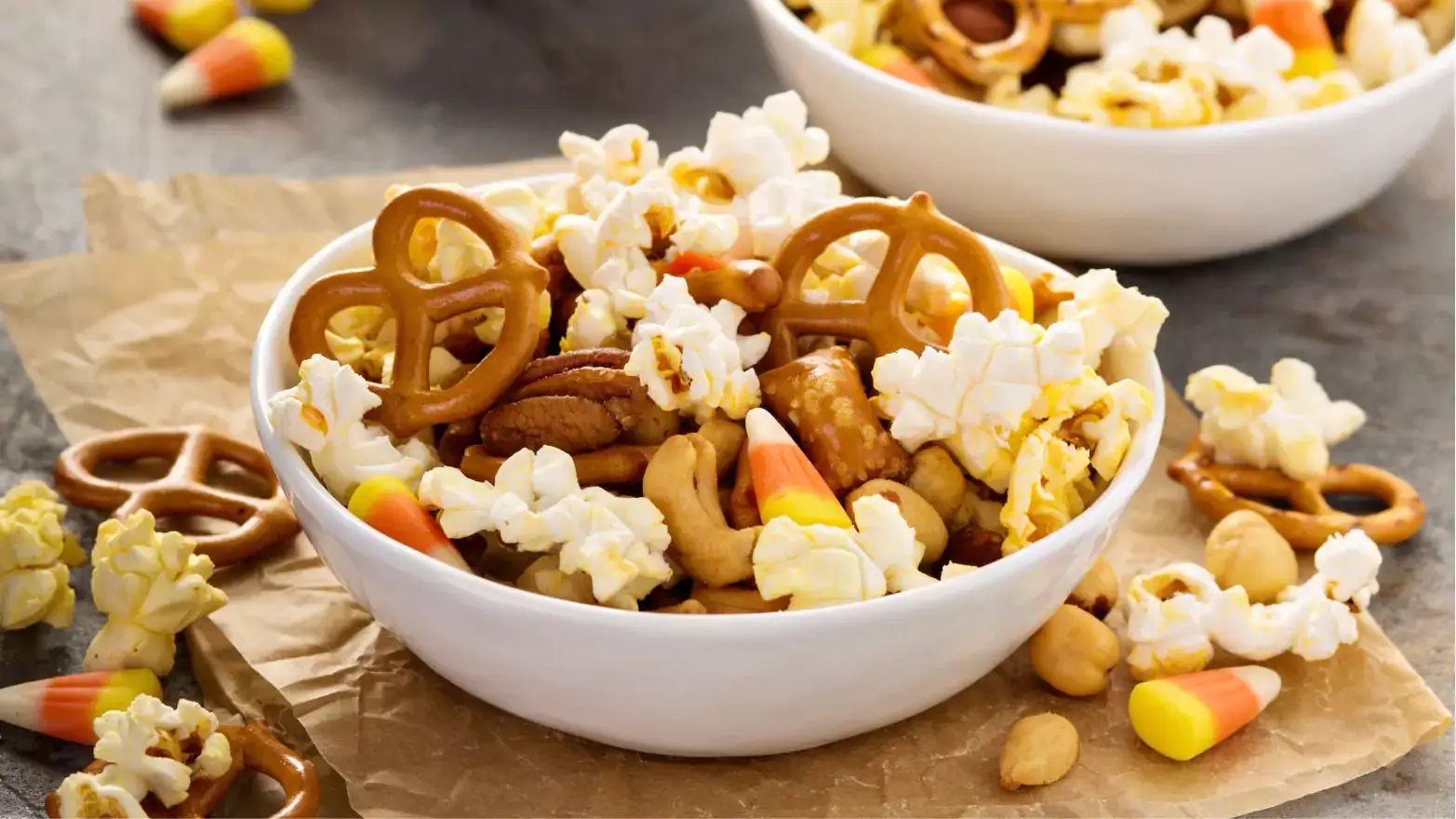
4. Trail mix tastings
Ages: 3-6
What they'll learn: Measuring, portion control, healthy fats and protein sources
Elevate your child’s next snack time into a mini cooking project. Making custom trail mix lets kids measure ingredients, explore portion control and build balanced bites with protein, healthy fats and a touch of sweetness. Bonus points if they name their creation!
Here are a few ideas for kid-friendly trail mix ingredients:
- Different types of nuts (if safe for allergies)
- Seeds
- Dried fruit
- Whole-grain cereal
- Popcorn
- Mini pretzels
- Chocolate chips
- Raisins
How to do it:
- Set out a variety of dry ingredients.
- Let your kids measure out their own portions and mix them together in a bowl.
- Portion out the mix and place about half a cup in individual snack bags.
Tips:
- Use measuring cups or spoons with fun shapes or colors to keep them engaged.
- Make it ahead for an easy snack for school lunches.
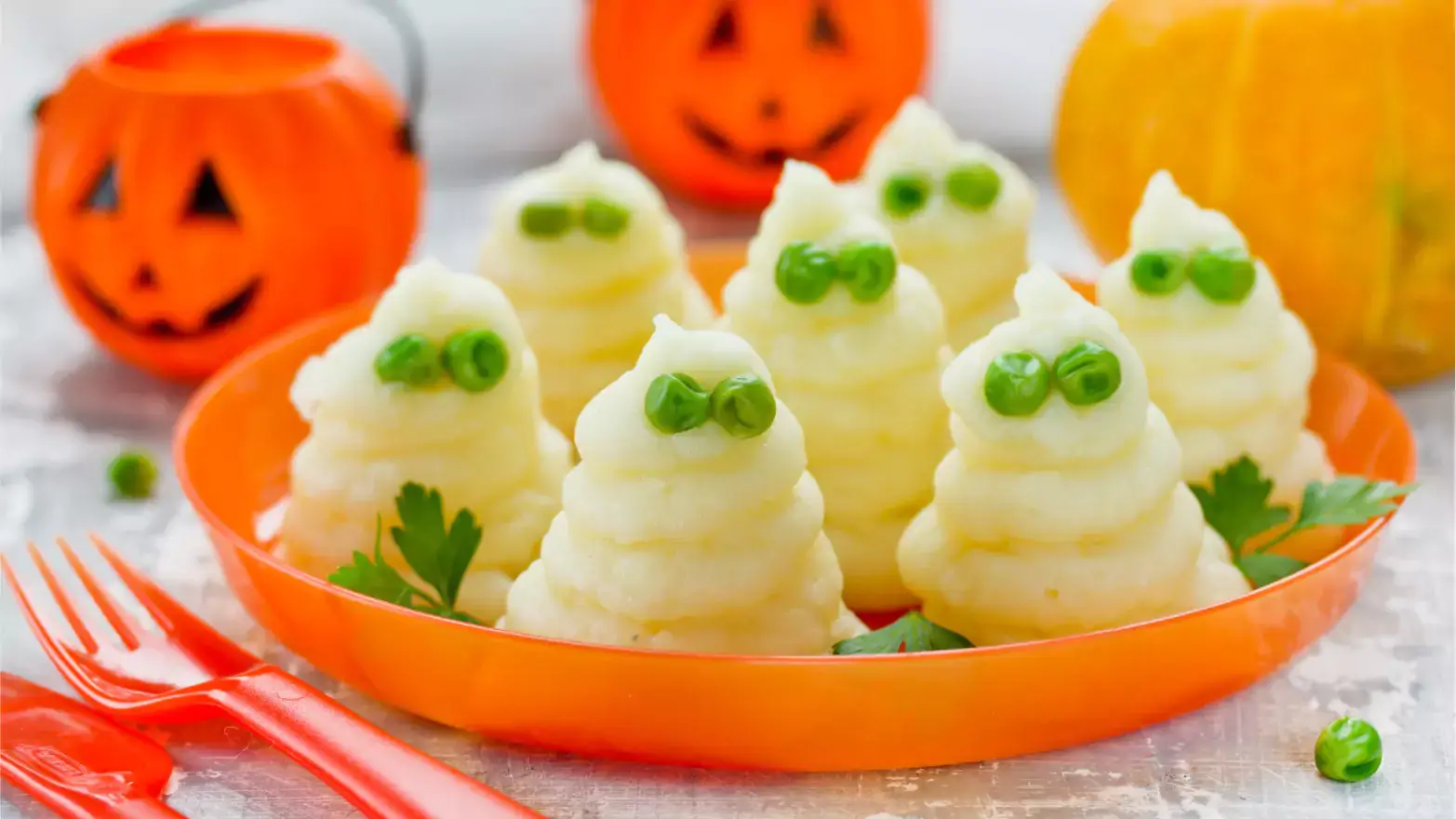
5. Monster mashed potato
Ages: 3-7
What they'll learn: Mashing technique, creativity, following directions
Monster mashed potatoes are a spooky-fun way to get your kids involved in the kitchen, especially if you’re looking for fun Halloween food ideas! They'll learn basic mashing with a potato masher, transforming boiled potatoes into a fluffy base.
But the real fun comes with creating the monsters. Following your lead, they can use chopped broccoli florets for hair, peas for eyes and bell pepper for mouths. It's a great way to encourage creativity while sneaking in healthy veggies.
How to do it:
- Cook up a batch of potatoes until soft. Older kids can help cut and cook the potatoes with supervision.
- Help your kids mash cooked potatoes with a fork or potato masher and follow an easy mashed potato recipe.
- Let your kids add fun ingredients like shredded cheese, chopped chives or steamed broccoli florets to create "monster" faces on their mashed potatoes.
Tips:
- Use cookie cutters or a piping bag to shape the mashed potatoes into fun shapes before adding the toppings.
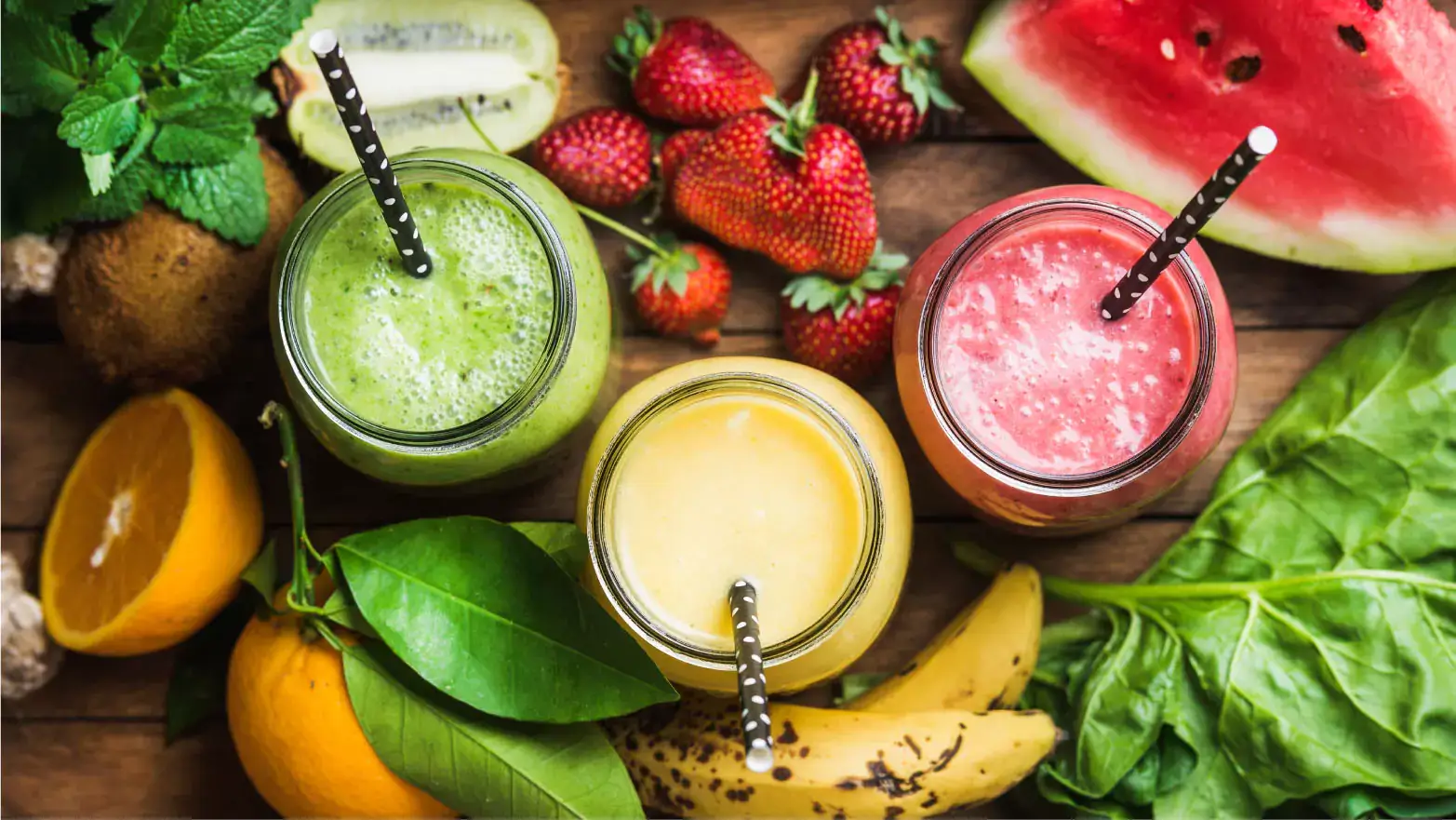
6. Smoothie sensations
Ages: 3-8
What they'll learn: Combining flavors and textures, healthy eating
Transform your blender into a flavor lab! This activity is a win-win for both taste buds and tiny tummies. You'll be sneaking in important vitamins and nutrients while letting your kiddos become the flavor architects.
Encourage them to experiment with different flavor combos. Here are a few of our favorites:
How to do it:
- Pick a base like yogurt or milk.
- Let your kids choose fruits and veggies to add in.
- Blend, serve and enjoy!
Tips:
- Get colorful with a variety of fruits and veggies.
- Sneak in some greens like spinach or kale for a hidden nutrient boost.
- Let older kids help with pouring and pressing buttons on the blender.
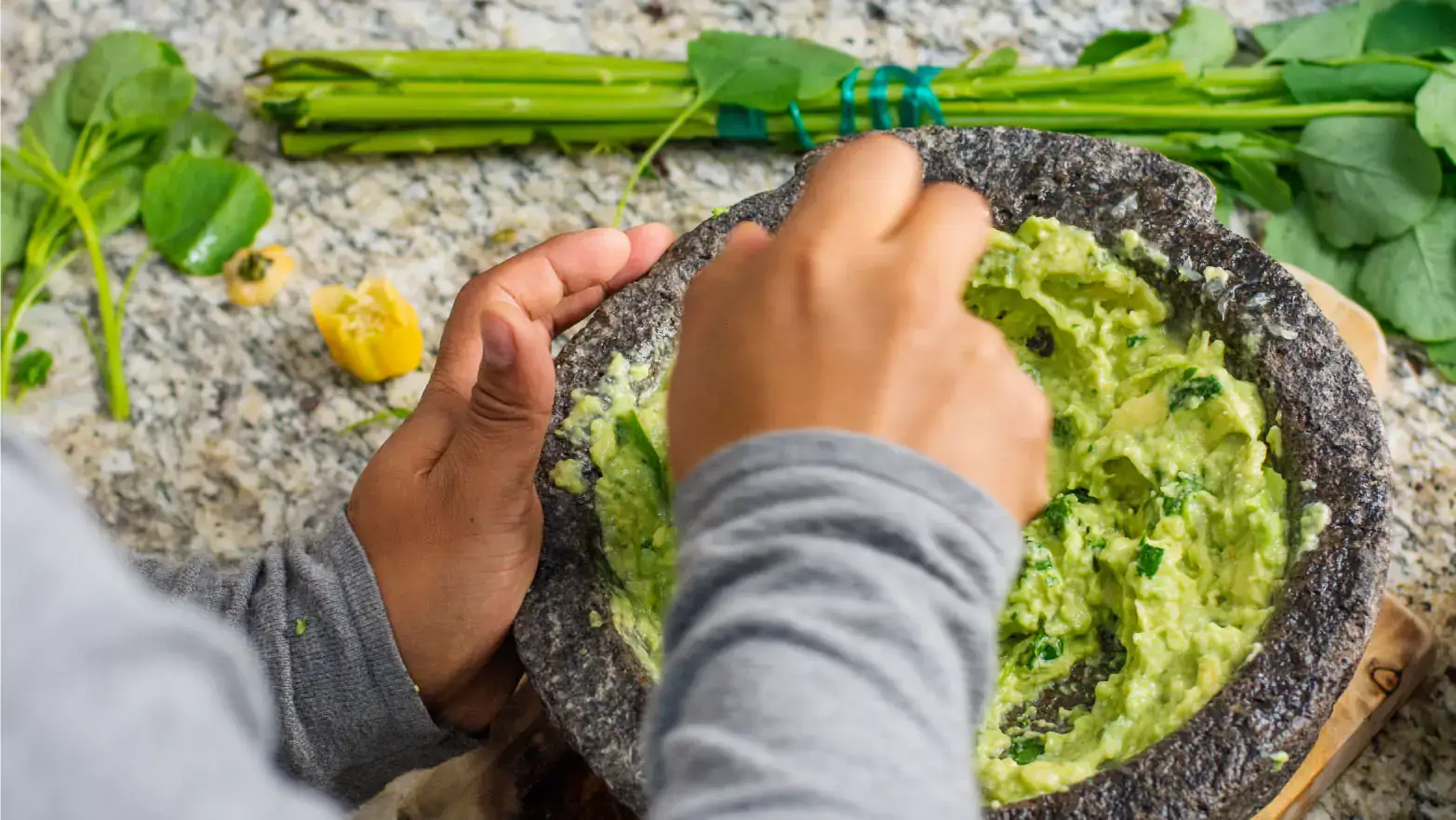
7. Holy guacamole!
Ages: 4-8
What they'll learn: Simple knife skills (with adult supervision), following a recipe
Guacamole is a perfect recipe for introducing your kids to the kitchen! Cutting and slicing the avocado with a butter knife or plastic knife is a safe way for them to practice basic knife skills and hand-eye coordination. They'll love helping you squeeze the lime, sprinkle the cilantro and taste-test for the perfect balance of flavors.
How to do it:
- Help your child cut ripe avocados in half with a butter knife or plastic knife. Scoop the inside of the avocados out with a spoon and remove the pit.
- Mash the avocados with a squeeze of lemon or lime juice — let your kids help mash with a safe utensil.
- Add chopped tomatoes, onions and cilantro, and have your child stir to combine the ingredients.
- Season your guacamole with salt and pepper to taste.
Tips:
- Choose ripe avocados that are soft to the touch.
- Start with a small amount of citrus juice; you can always add more for flavor.
- Serve guacamole with veggie sticks or tortilla chips for a complete and healthy snack.
Grab it now on Instacart


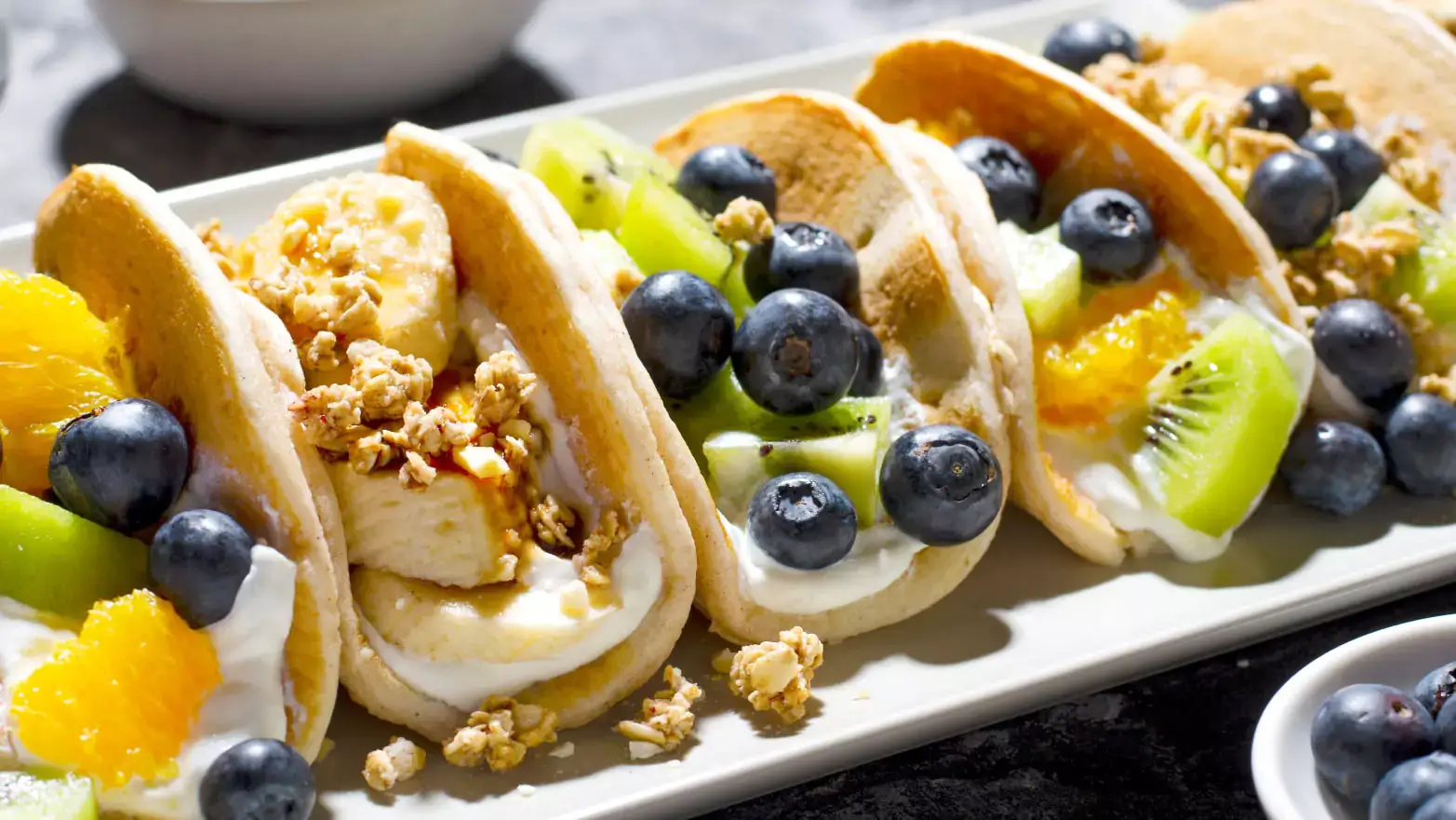
8. Taco pancakes with fresh fruit
Ages: 4-8
What they'll learn: Following a recipe, portion control, creativity
Taco pancakes are a fun twist on breakfast that doubles as a lesson in portion control and creativity. Folding the pancakes into a "taco" shape lets kids experiment with different serving sizes, ensuring they don't overload their plates.
The real fun comes with the fillings! Encourage your kids to try new foods and experiment with flavor combos with chopped fruits and toppings like:
- Strawberries
- Mangoes
- Bananas
- Kiwis
- Yogurt
- Whipped cream
- Shredded coconut
- Chopped nuts
- Maple syrup
How to do it:
- Make a batch of pancakes using your favorite recipe or a pre-mixed pancake batter.
- Let your little ones help you pour the batter onto a griddle to cook thin pancakes.
- Once cooked, prepare a variety of fun “taco” fillings.
- Set out a plate of warm pancakes and let your kids build their own taco creations, folding the pancakes in half and adding their favorite fillings.
Tips:
- Prep chopped fruit beforehand to avoid knife work for younger kids.
- Provide small bowls or spoons for easy portion control of fillings.
9. Cookie cutouts
Ages: 4-8
What they'll learn: Fine motor skills, following instructions, patience
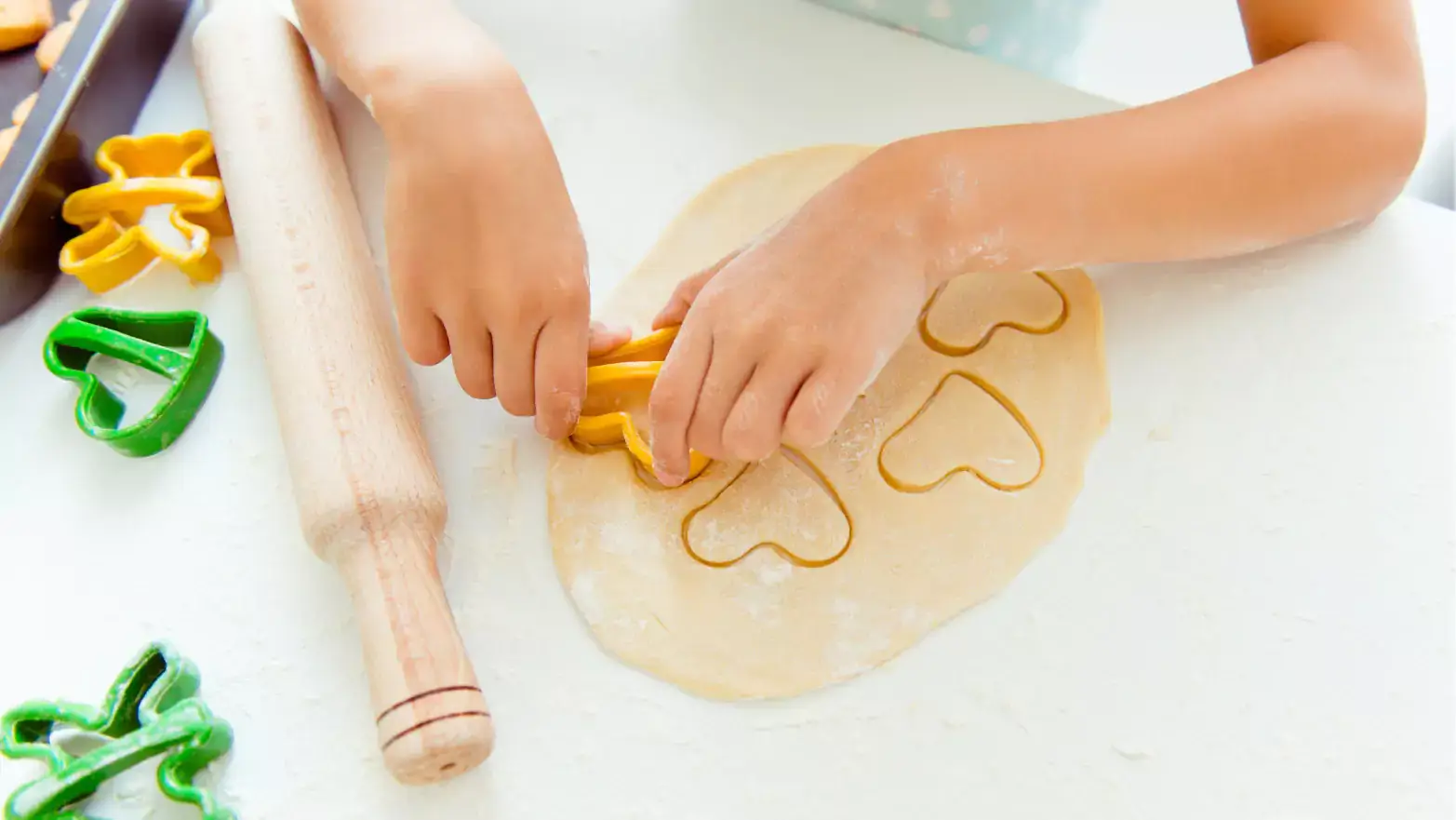
Shaping and decorating sugar cookies is a great baking activity for kids and parents alike. This activity is a blast for little hands, teaching them fine motor skills as they roll out the dough, cut their cookies and get creative with frosting and sprinkles. Plus, they'll need to follow directions and practice patience while they wait for their cookies to bake!
How to do it:
- Use a kid-friendly sugar cookie recipe or a pre-made dough.
- Let your kids roll out the dough (with adult supervision).
- Choose fun cookie cutter shapes and help your kids cut their cookies.
- Bake according to instructions.
- Let the cookies cool completely before decorating with frosting and sprinkles.
Tips:
- Chill the dough before rolling it out to prevent sticking.
- Let kids practice their decorating skills on paper before diving into the frosting.
10. Simple and healthy fruit kebabs
Ages: 4-10
What they'll learn: Healthy eating, knife skills (for older kids with adult supervision), color recognition
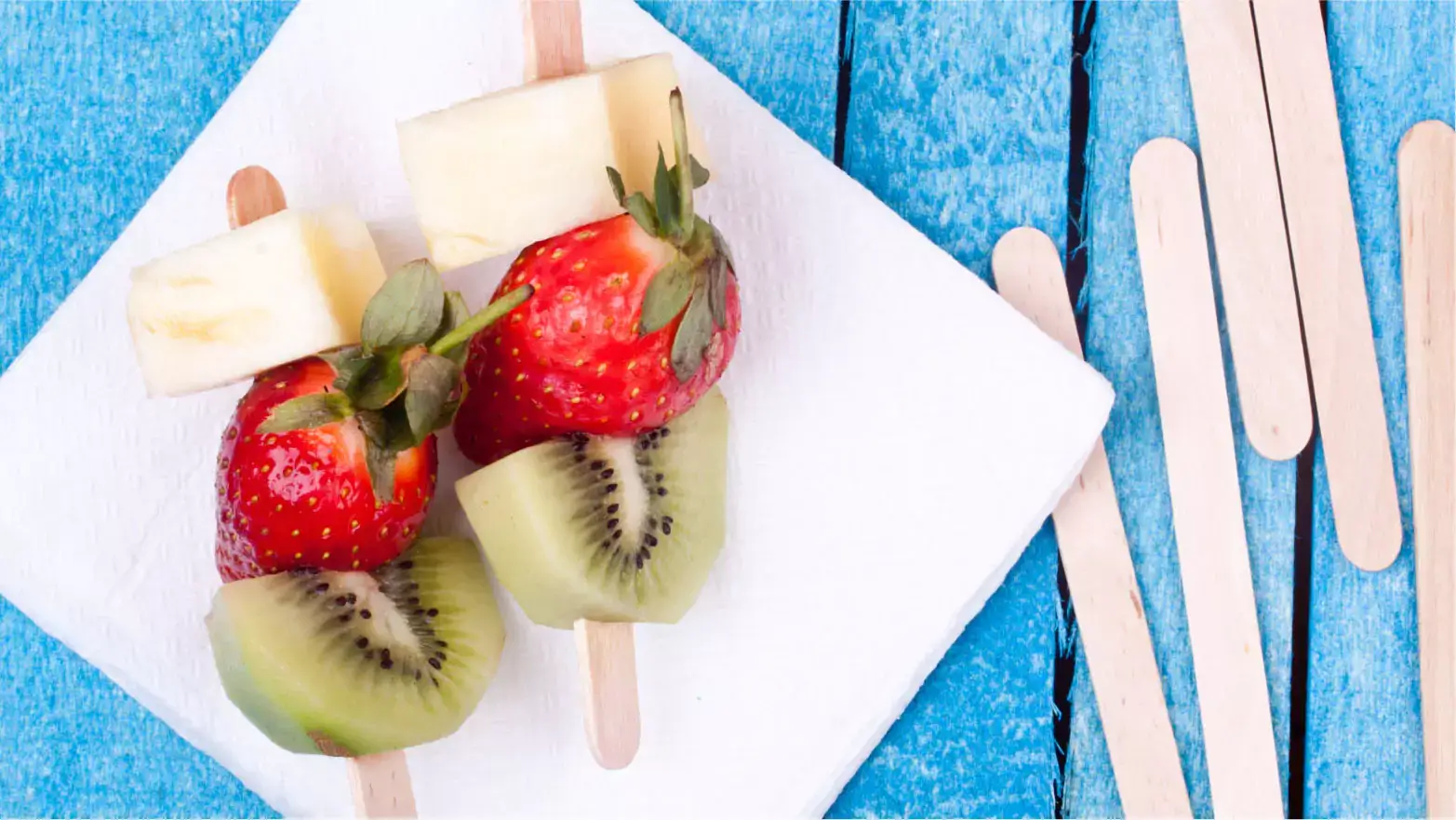
Making fresh fruit kebabs is the perfect summer cooking activity for little eaters! This refreshing snack is a feast for the eyes and a smart way to teach your kids about healthy eating. Provide a variety of colorful fruits like:
- Watermelon
- Cantaloupe
- Honeydew melon
- Strawberries
- Blueberries
- Pineapple
- Apples
- Grapes (cut grapes in half for younger kids)
They'll be threading vibrant fruits onto the skewer while learning about color recognition and building those fine motor skills. (Those tiny blueberries can be tricky!)
How to do it:
- Provide a variety of pre-cut fruit and let your kids thread it onto skewers in a fun pattern.
- Add a drizzle of chocolate or honey for a sweeter treat!
Tips:
- Use large, blunt skewers for easier handling by young children.
- Use cookie cutters to create fun shapes.
- Older kids can help with careful cutting under adult supervision.
- Make them ahead of time and toss into your toddler’s lunch box for a healthy treat.
Grab it now on Instacart


11. Safe scramble
Ages: 5-7
What they'll learn: Heat safety, basic cooking techniques (whisking), following directions
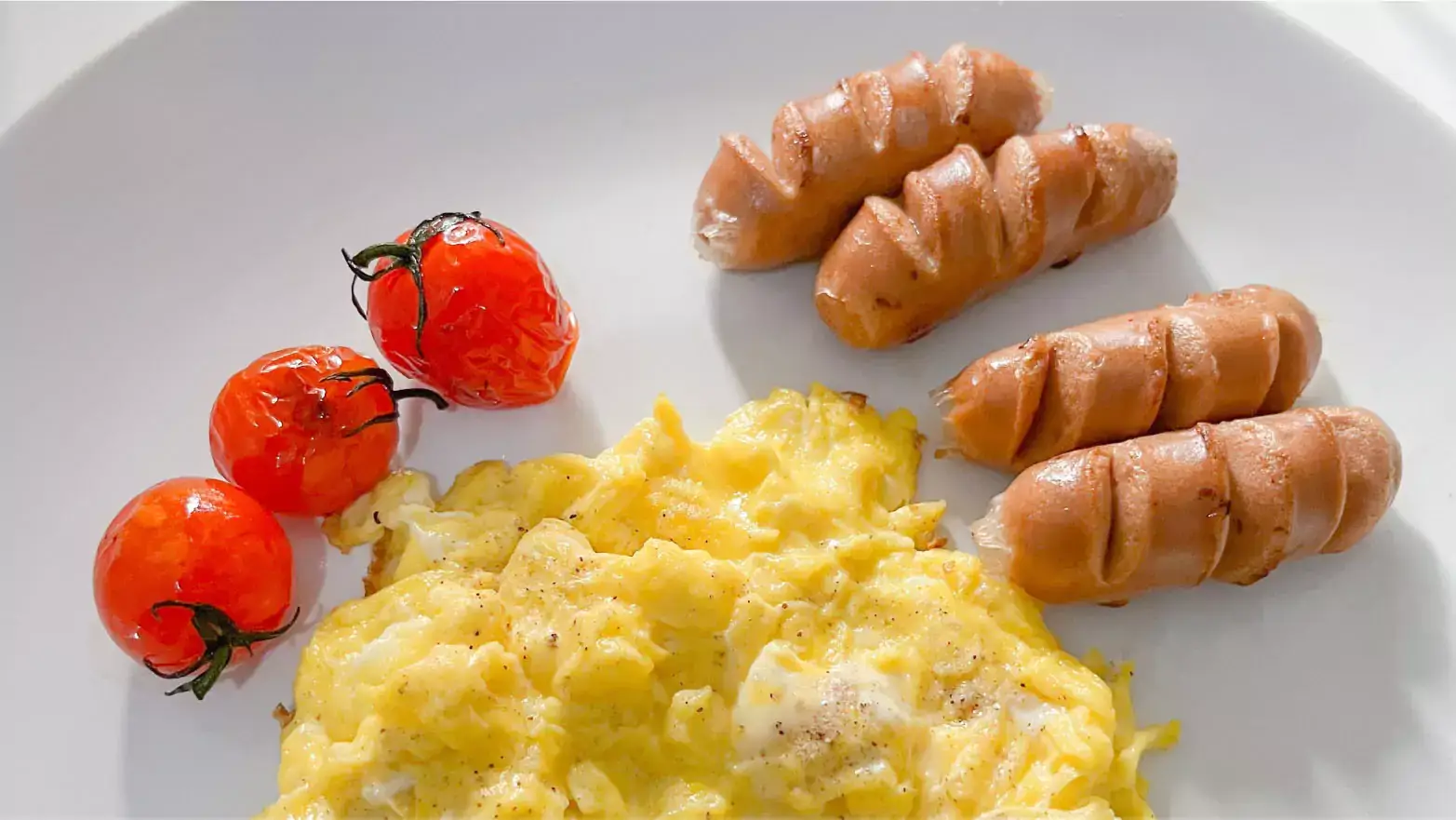
Whipping up a fresh batch of scrambled eggs is another fantastic cooking activity that'll allow kids to focus on essential kitchen skills, like coordination and heat safety. Here are a few key points to cover when introducing your little ones to the stove:
- Explain the "hot zone": Point out the stovetop burners as the "hot zone" and explain that they get very hot when turned on. Let them know they should never touch the burners or pots and pans on the stove without an adult's help.
- Stay a safe distance: While you're cooking, encourage your child to stay at a safe distance from the stove. This could be a designated spot on the counter or a chair a few feet away.
- Adult supervision is key: Always emphasize that you'll be handling the hot items like the pan and the spatula. This way, they can observe and learn without putting themselves at risk.
- Let them feel the warmth (carefully): Once you've removed the pan from the heat, it might be safe for them to feel a little bit of the warmth on the outside (depending on how hot it is). Let them do this briefly while you hold the pan and closely supervise to avoid any burns.
How to do it:
- Have your kids help crack the eggs and whisk them together in a bowl with a splash of milk.
- Supervise your little ones as they carefully pour the mixture into a pan over low heat.
- Let them help with gently stirring the eggs with a spatula until cooked through.
Tips:
- Use a nonstick pan for easy cleanup.
- Add shredded cheese, chopped veggies or cooked meats for a more substantial scramble.
12. Crispy rice treats
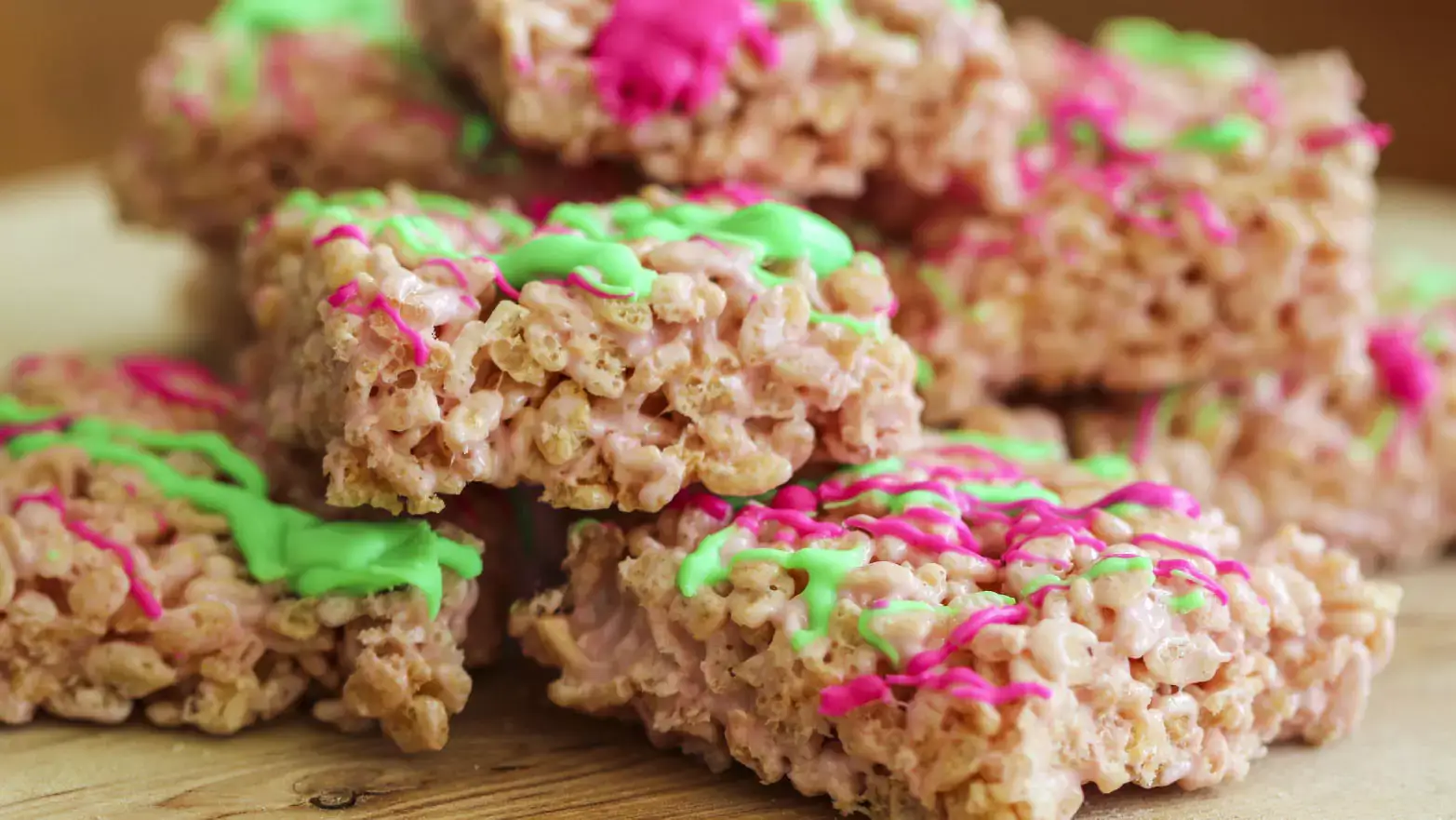
Ages: 5-8
What they'll learn: Following a recipe, teamwork
Crispy rice treats are the perfect introduction to recipe-following for little chefs! This nostalgic recipe features just three ingredients — butter, marshmallows and crisped rice cereal — with simple steps even young children can grasp. Witnessing the transformation from ingredients to yummy treats teaches them the importance of each step and the joy of working together in the kitchen.
How to do it:
- Supervise your little ones as you melt marshmallows and butter together.
- Let them help you stir in the rice cereal and press the mixture into a baking dish.
- Once cool, they can decorate their treats with sprinkles or frosting.
Tips:
- Use a nonstick baking dish for easy removal.
13. Birds in a nest (spaghetti and meatballs)
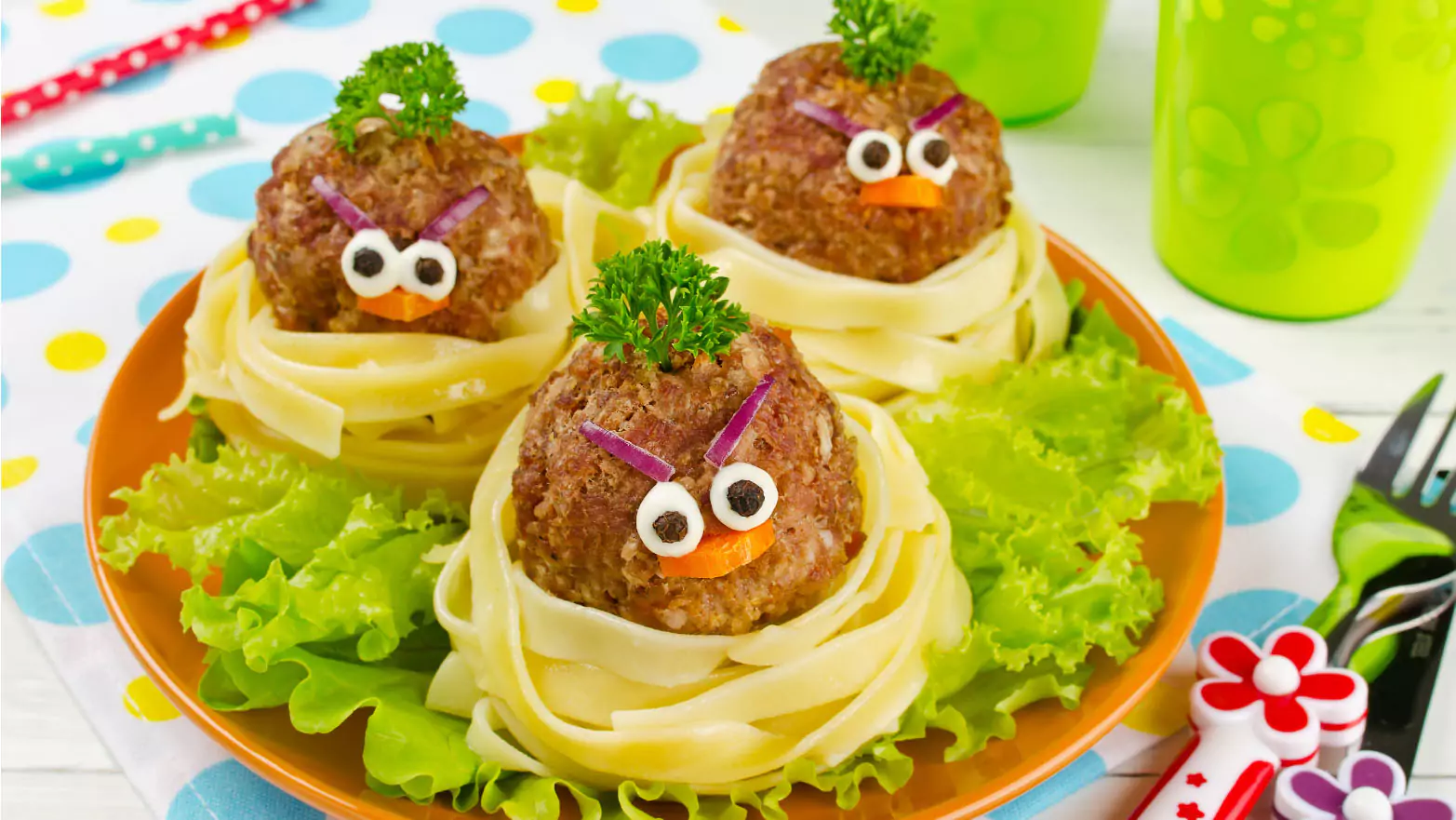
Ages: 5-8
What they'll learn: Fine motor skills, creativity, portion control
Look for fun cooking projects for elementary students? Birds in a nest — a cute spin on spaghetti and meatballs — turns mealtime into playtime as kids learn essential cooking skills.
Kids will have a blast using their fine motor skills to carefully twirl cooked spaghetti into nest shapes, strengthening their hand-eye coordination and dexterity. They can unleash their creativity, arranging the nests and decorating with veggies or cheese to personalize their feathered friends.
How to do it:
- Prep and cook meatballs according to your favorite meatball recipe, or use pre-cooked meatballs.
- Prepare spaghetti according to package directions.
- Let your little ones help you twirl the cooked spaghetti around the sides of greased muffin tins, forming nests.
- Place a meatball in the center of each nest and top with your favorite spaghetti sauce and shredded cheese.
- Bake in a preheated oven at 375°F (190°C) for 10-15 minutes or until the cheese is melted and bubbly.
- Once they've cooked, let kids get creative with veggies or chopped herbs to create faces and feathers for their birds.
Tips:
- Use easy-grip tongs to help younger kids handle the cooked spaghetti.
- Prep veggies and herbs ahead of time, or have older kids practice their knife skills while the nests bake.
14. Magic mini muffins
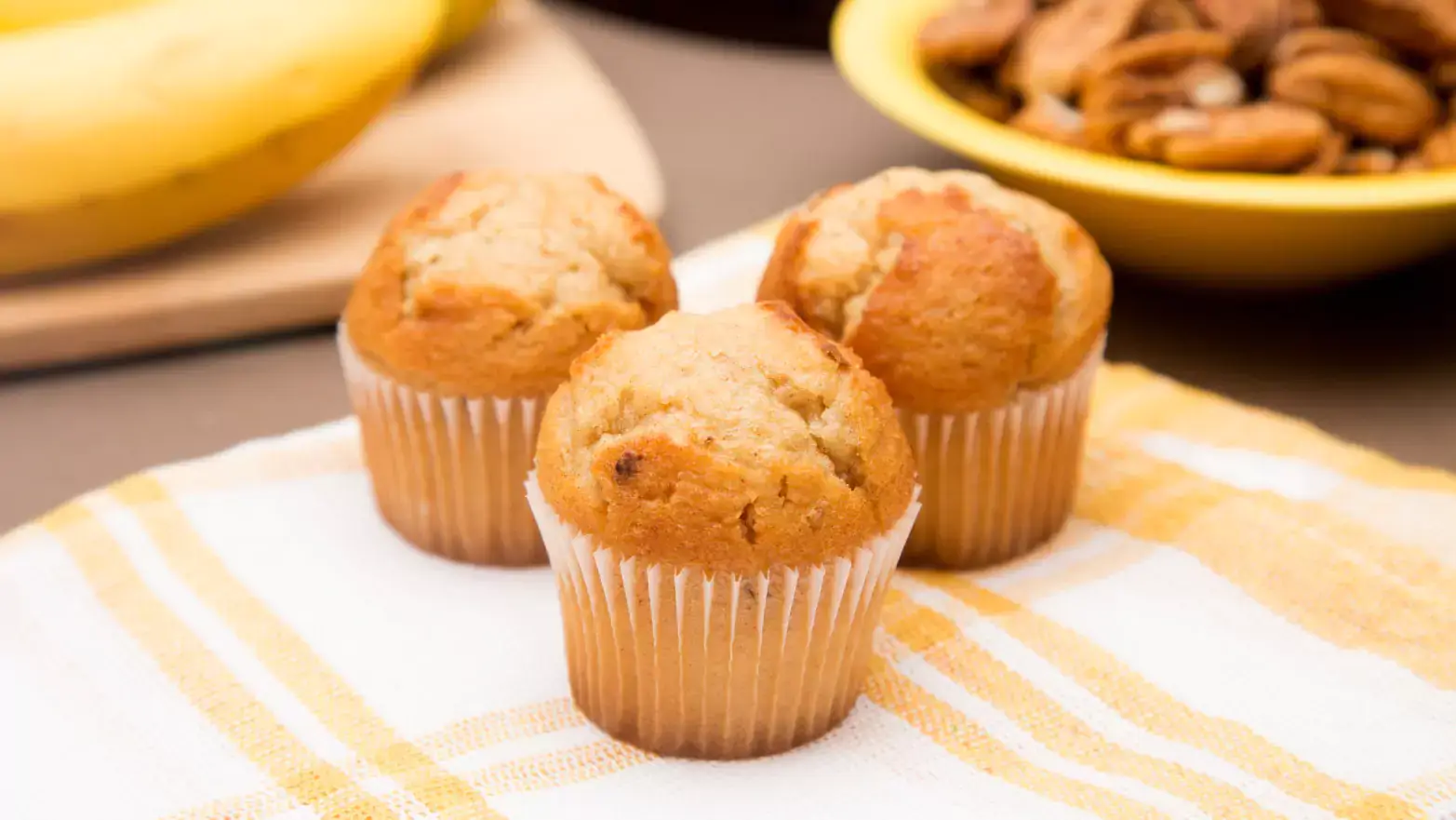
Ages: 5-10
What they'll learn: Following a recipe, measuring ingredients, teamwork
Mini muffins are the perfect bite-sized baking activity for kids! Scooping flour, sugar and chocolate chips into the bowl becomes a fun exercise in measuring while mixing the batter fosters teamwork.
As your kids watch the batter transform into fluffy muffins, they'll gain a sense of accomplishment and learn the importance of each step in the recipe.
How to do it:
- Choose a kid-friendly muffin recipe like blueberry or banana nut.
- Let your kids help with measuring and mixing the ingredients, pouring batter into muffin tins and adding fun toppings like chopped nuts or chocolate chips.
- Bake according to instructions.
Tips:
- Use muffin liners for easy cleanup.
- Let older kids practice their reading skills by following the recipe steps.
15. Parfait paradise
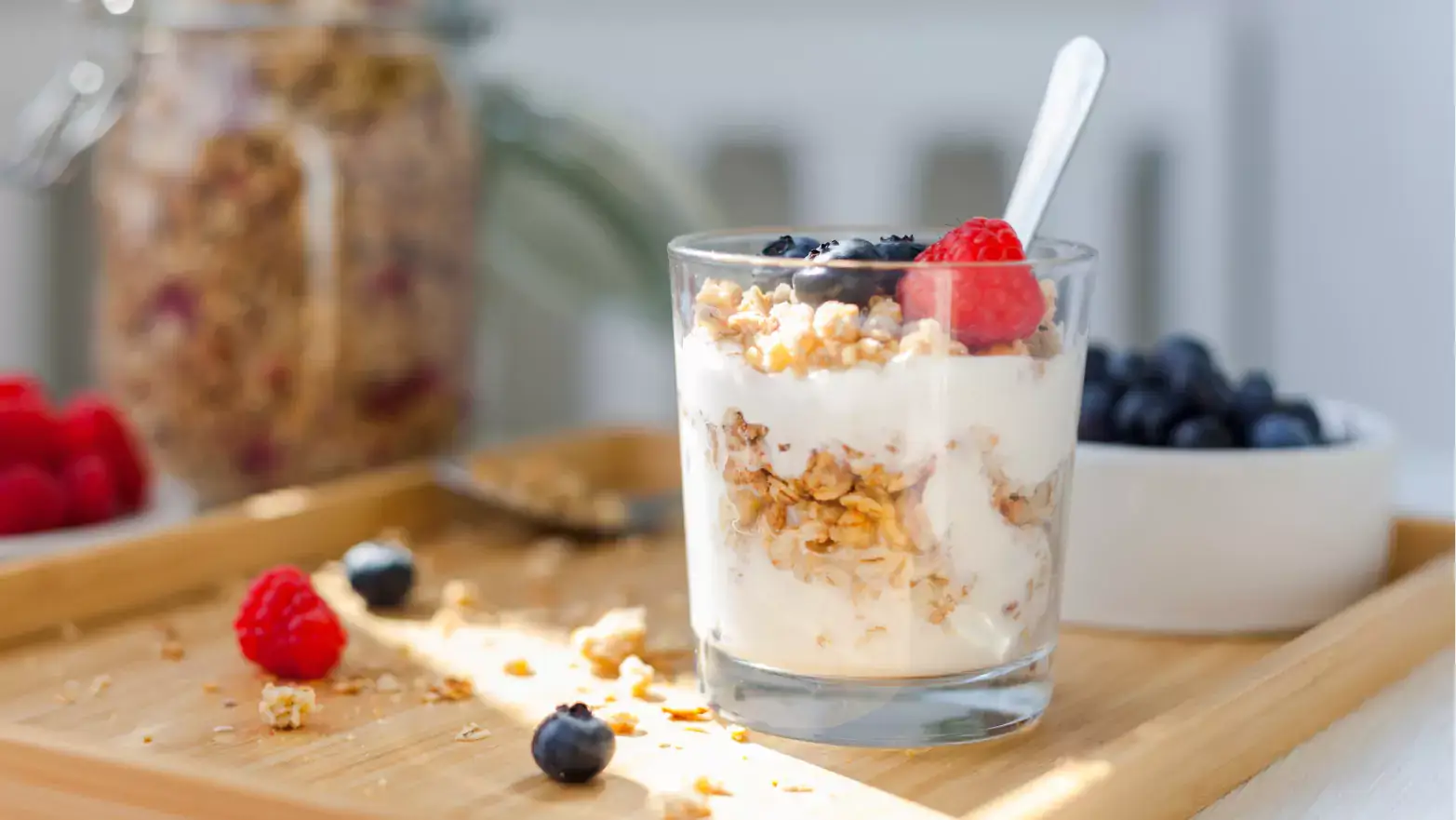
Ages: 5-10
What they'll learn: Layering ingredients, portion control, creativity
Yogurt parfaits are a great way to get kids excited about healthy eating. Layering yogurt, fruit and granola together teaches them about building and separating flavors. As they scoop and pour, they'll practice portion control, making sure each layer is just the right size.
But the best part is the creativity. Kids can arrange colorful fruits and crunchy toppings to make their parfaits look like works of art. In the end, they'll have a healthy and satisfying snack that tastes as good as it looks!
How to do it:
- Set out a variety of yogurt flavors, granola, chopped fruits and nuts (if safe for allergies).
- Let your kids build their own parfaits in layers, encouraging them to experiment with different flavor combinations.
Tips:
- Prep chopped fruits and nuts beforehand to avoid knife work for younger kids.
- Use small bowls or cups for portion control.
- Make ahead for breakfast or as a refreshing after-school snack.
16. Balanced breakfast burrito
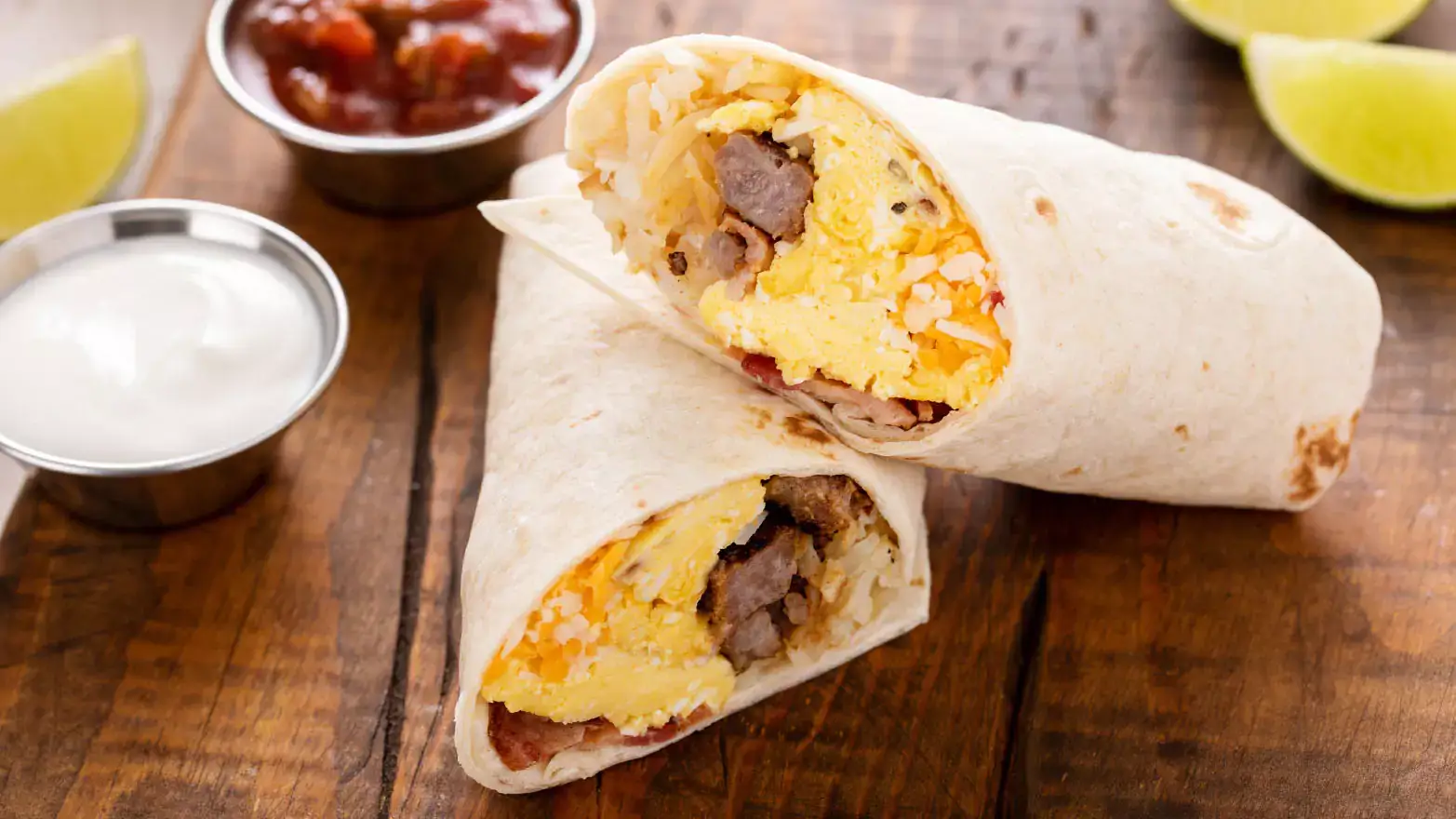
Ages: 6-10
What they'll learn: Building a balanced meal, creativity
Once your little ones have mastered the scrambled eggs technique, take it a step further by helping them build their very own breakfast burrito. This hands-on experience teaches kids how to build a satisfying and nutritious meal, all wrapped up in a yummy, portable package.
Scrambled eggs and cheese provide protein, while chopped veggies like peppers and onions add vitamins and fiber. Let them explore different options — maybe black beans for extra protein or avocado slices for healthy fats.
How to do it:
- Prep your burrito ingredients — have older kids help with cutting and dicing.
- Scramble eggs with your little ones and place them in a whole-wheat tortilla.
- Let them build their own breakfast burritos with the provided ingredients, encouraging them to build a balanced meal.
- Carefully help wrap the burritos. (You may need to cut them in half for little hands!)
Tips:
- Prep chopped fillings beforehand to save time.
17. Cozy tomato soup
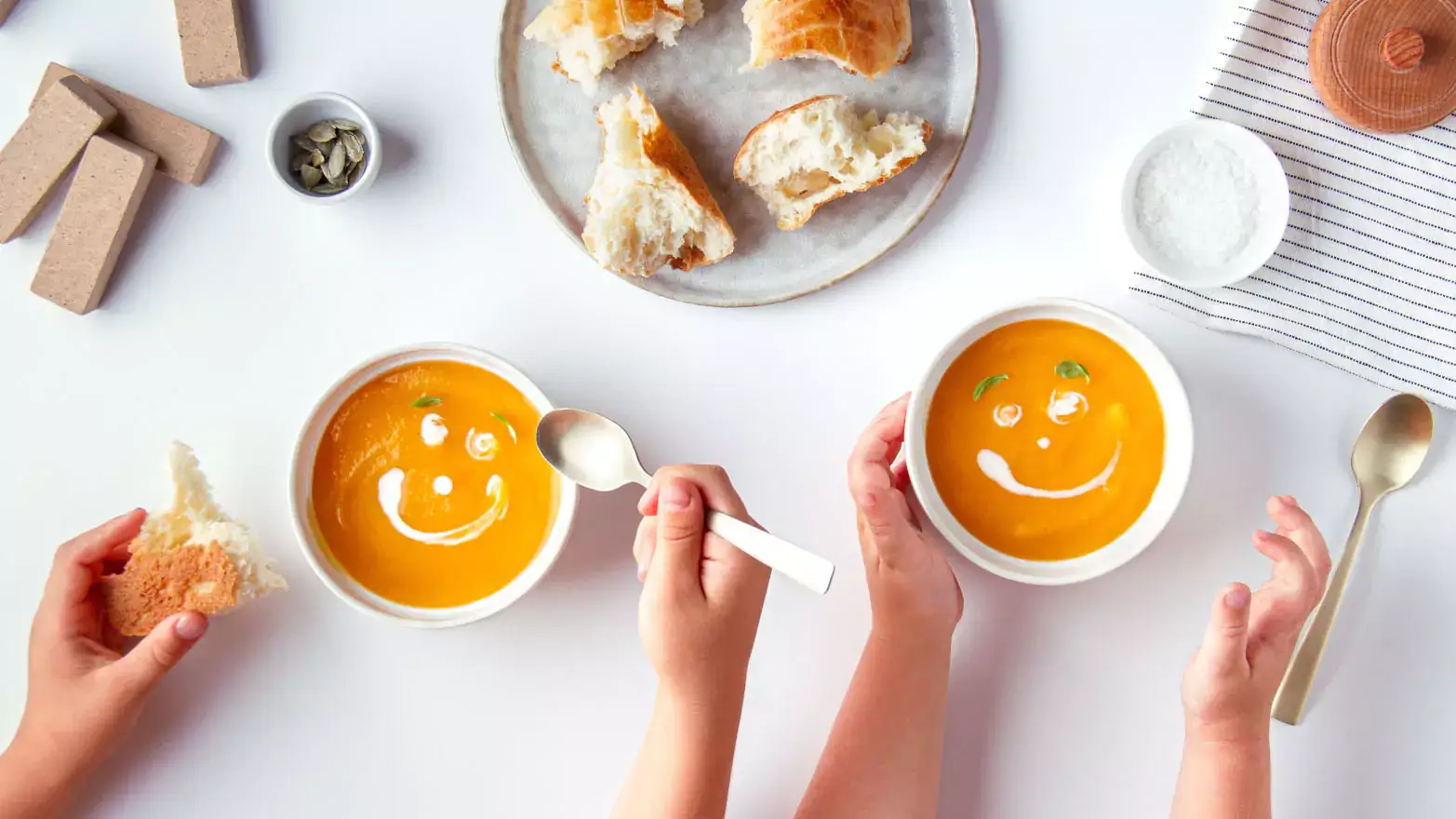
Ages: 8-10
What they'll learn: Following a recipe, basic chopping skills (with adult supervision), teamwork
Turn up the warmth (and the fun!) in your kitchen with a cozy tomato soup recipe alongside your little chefs! This kid-friendly cooking activity is a gateway to essential skills, like how to navigate a simple recipe and how to hold a knife safely (with your guidance, of course!).
How to do it:
- Choose a simple tomato soup recipe or use canned diced tomatoes.
- Let your kids help with tearing or chopping vegetables like celery or carrots (with adult supervision for older children).
- They can add the ingredients to the pot and stir with you.
- Once the soup is simmering, let them help you pour it into bowls and add a dollop of yogurt or cream for a finishing touch.
Tips:
- Prep chopped vegetables beforehand for younger kids.
- Let them choose their favorite toppings like grated cheese, croutons or a drizzle of olive oil.
- Enjoy for a delicious meal on a chilly day.
18. Grilled cheese
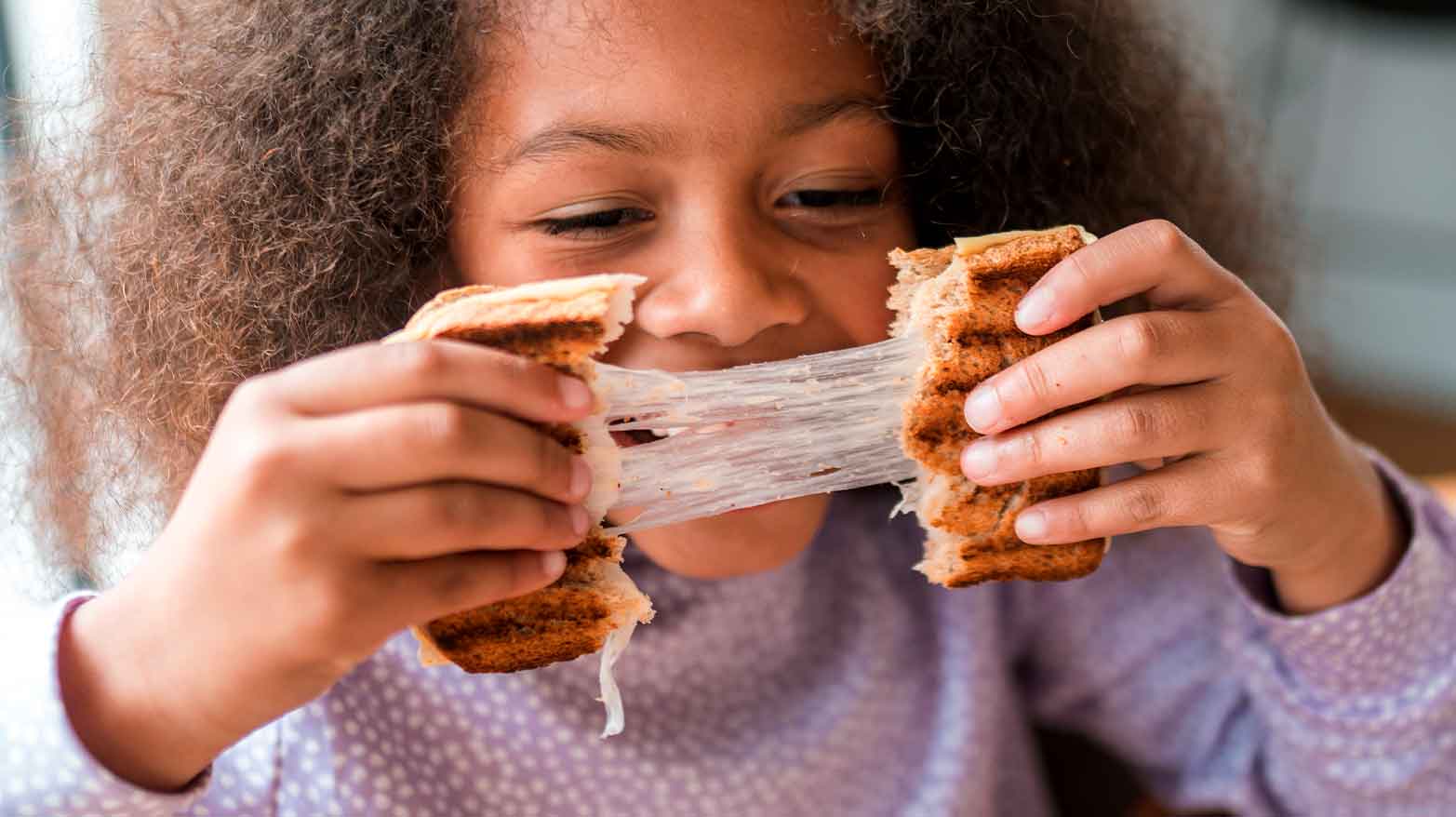
Ages: 5-10
What they’ll learn: Heat safety, fine motor skills
The perfect pairing for your tomato soup: grilled cheese! Kids will love learning how to make this beloved classic. Toddlers can help spread the butter and cheese with supervision, while older kids can learn to use a kid-safe knife and a spatula. It’s also a good opportunity to teach your youngsters about stovetop safety.
If you and your family want to enjoy a more flavorful variation of the classic grilled cheese, you can also try making a gourmet grilled cheese with pear and prosciutto or a fancy grilled cheese with turkey and cranberry.
How to do it
- Have your kids spread the top and bottom of bread slices with butter. Assemble the sandwiches with your favorite type of cheese.
- Add the grilled cheese sandwiches to a pan on the stove. Help your kids carefully press it down with a spatula and flip it once one side is golden.
- When both sides are crispy, remove the sandwich from heat, and enjoy!
Tips
- Use a panini press as an alternative to the stovetop.
19. Sushi showdown
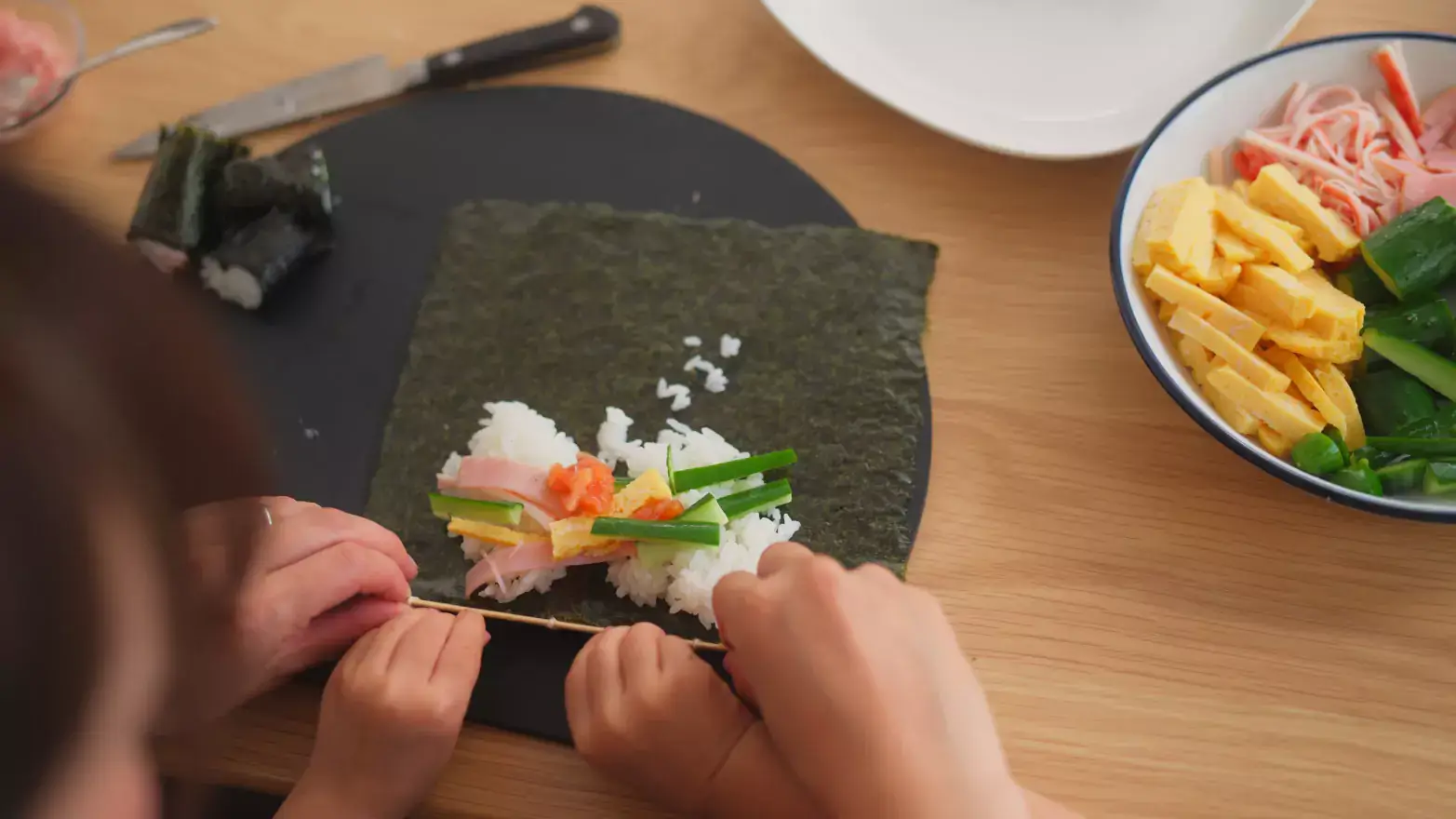
Ages: 10-12
What they'll learn: Knife skills (with adult supervision), following instructions, exploring new cultures
Unleash your inner sushi chef with a kid-friendly sushi recipe! Kids can practice basic knife skills under adult supervision, and following your lead as you assemble the rolls introduces them to a whole new way of preparing food.
Sushi is also an exciting gateway to exploring new cultures and cuisines. They'll get to experience the unique textures and tastes of seaweed, soy sauce and kid-approved fillings like:
- Rice
- Sliced mango
- Cream cheese
- Cucumber
- Carrots
- Imitation crab
- Shrimp
- Spam
- Avocado
How to do it:
- Let your older kids practice their knife skills (with adult supervision) by cutting the vegetables into thin strips.
- Help them spread a thin layer of rice onto a sheet of seaweed (nori) and add their chosen fillings.
- Have them carefully roll up the sushi using a bamboo mat.
- Once rolled, they can slice the sushi into bite-sized pieces and enjoy it with soy sauce, pickled ginger and wasabi for the brave ones!
Tips:
- Invest in a kid-safe sushi knife or use a vegetable peeler for younger children.
- Follow an online tutorial to visually guide you and your kids through the sushi-making process.
Grab it now on Instacart


20. Build-your-own quesadillas
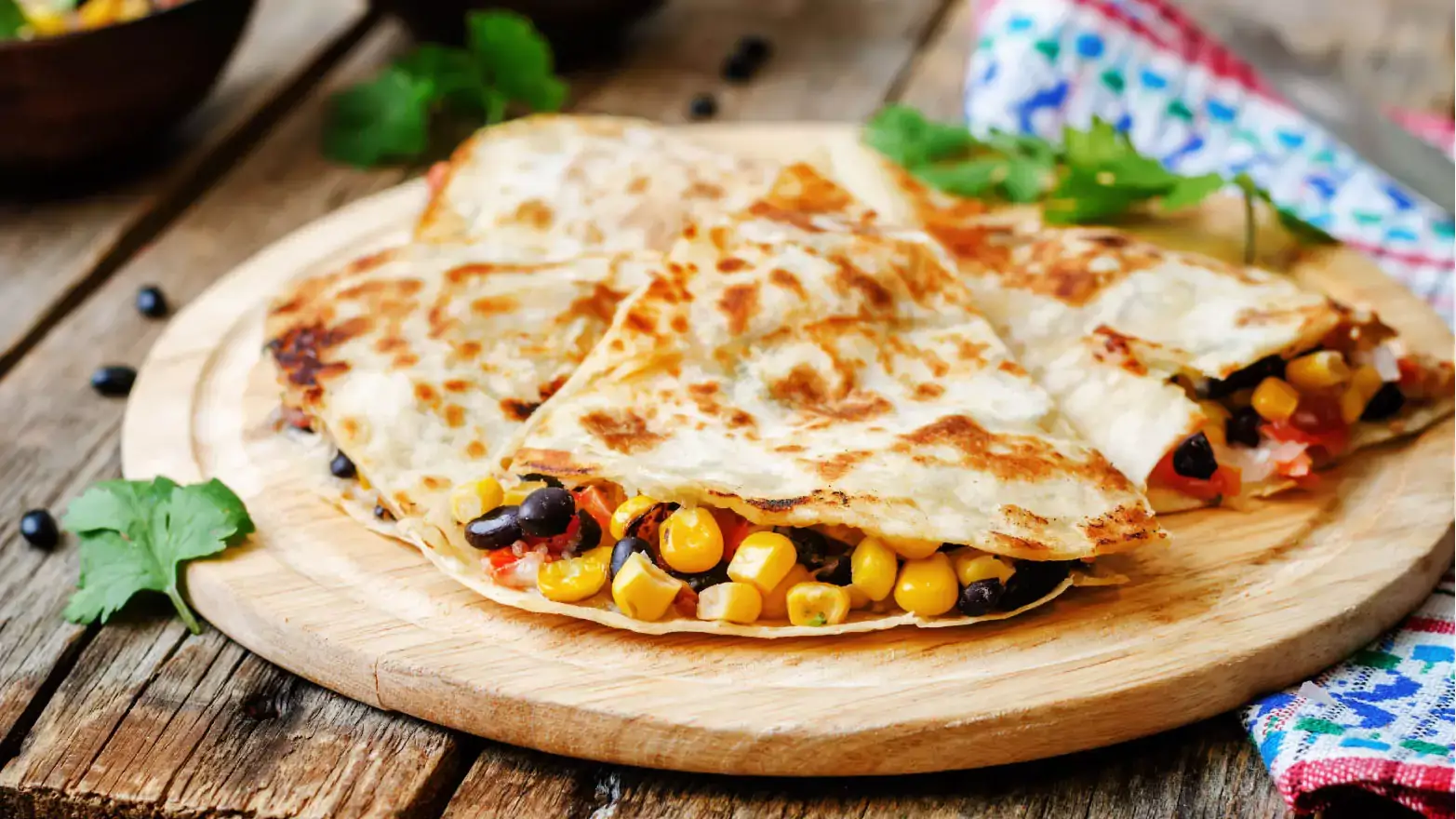
Ages: 10-12
What they'll learn: Portion control, using a stove, exploring different flavors, following a recipe (loosely)
Looking for easy lunch ideas your older kids can make on their own? Build-your-own quesadillas are a simple cooking project for kids that’ll help build their confidence in the kitchen. Guiding them through tasks like spreading cheese, placing tortillas in the pan and flipping the quesadilla will help them master basic cooking skills.
Let them personalize their creation with different fillings and toppings, like:
- Shredded cheese
- Diced chicken
- Black beans
- Onions
- Peppers
- Mushrooms
- Salsa
- Guacamole
- Sour cream
How to do it:
- Heat a large skillet or griddle over medium heat.
- Let your older kids cook their own quesadilla by placing a tortilla in the pan, adding their chosen fillings, folding it in half and cooking until golden brown and melty.
- They can then slice their quesadillas and enjoy them with their favorite toppings.
Tips:
- Prep chopped vegetables beforehand to save time.
- This is a great way to clean out leftover ingredients in your fridge and get creative with flavors.
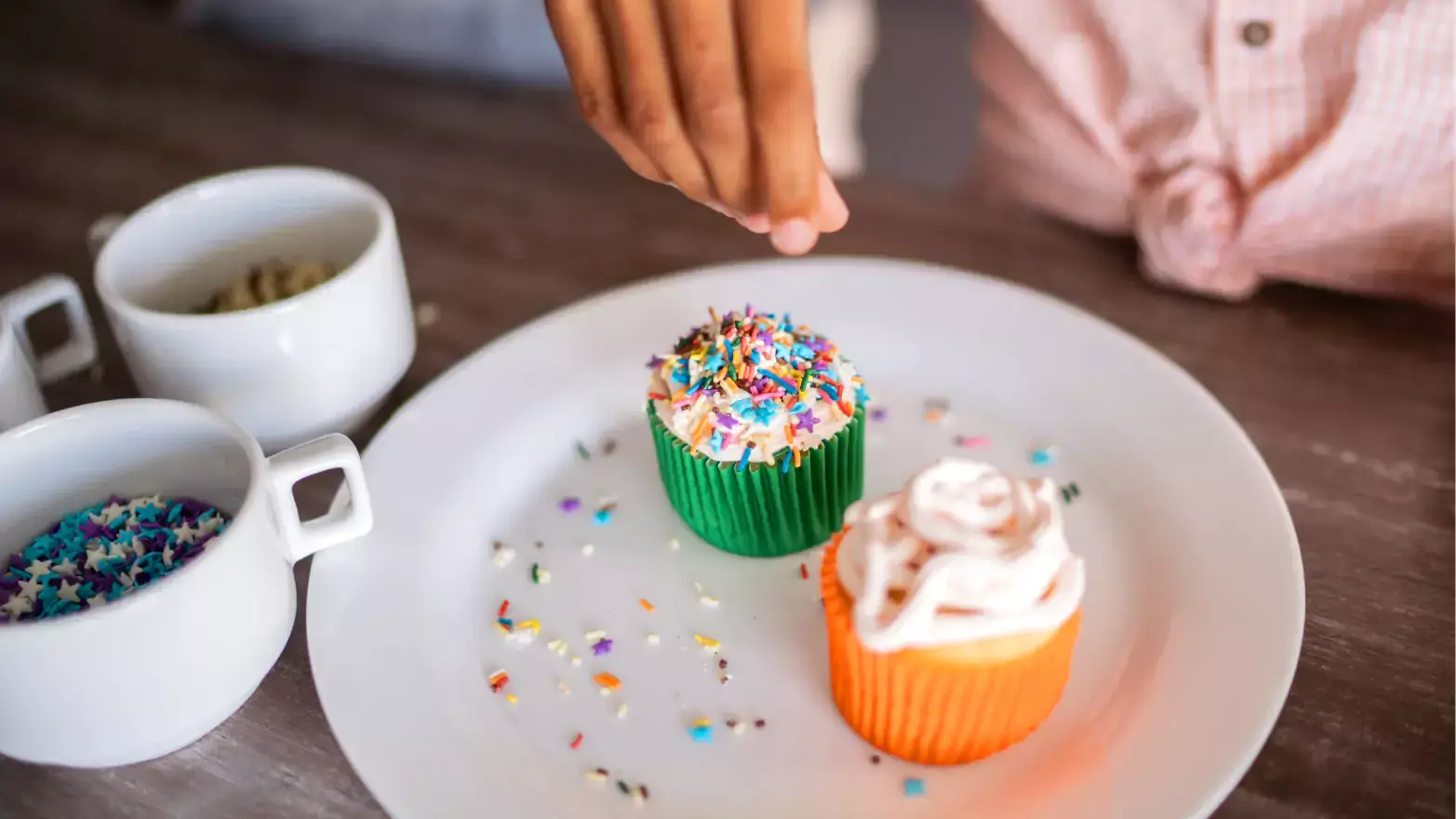
21. Cupcake decorating challenge
Ages: 10-12
What they'll learn: Fine motor skills, creativity
Take a page from your favorite reality baking show and host an exciting cupcake decorating challenge with your kids! Whip out the piping bags and help them hone their fine motor skills by decorating with fun and colorful ingredients like:
- Frosting
- Sprinkles
- Mini candies
- Chopped nuts
- Chocolate drizzle
- Fresh fruit
- Whipped cream
This is a great cooking project for family nights or birthday parties. A little friendly competition can fuel creativity and keep things exciting — set a timer, pick a winner (or just admire everyone's masterpieces) and get ready for some delicious fun!
How to do it:
- Bake a batch of cupcakes from scratch, or just make a boxed cake mix better. Have your kids help with mixing the ingredients and portioning out the batter evenly into a greased cupcake tin with cupcake liners.
- Prepare frosting in a variety of colors and set out a selection of fun decorating supplies.
- Divide your little ones into teams or have them compete individually.
- Set a timer and let the decorating fun begin!
- Once time is up, judge the cupcakes based on creativity, overall design and frosting technique (or just for fun!). Award prizes (homemade certificates or small treats) and enjoy your delicious creations.
Tips:
- Use cupcake liners for easy cleanup.
- Provide small spoons or piping bags (with adult supervision) for more intricate decorating.
- Encourage teamwork, friendly competition and, of course, fun!
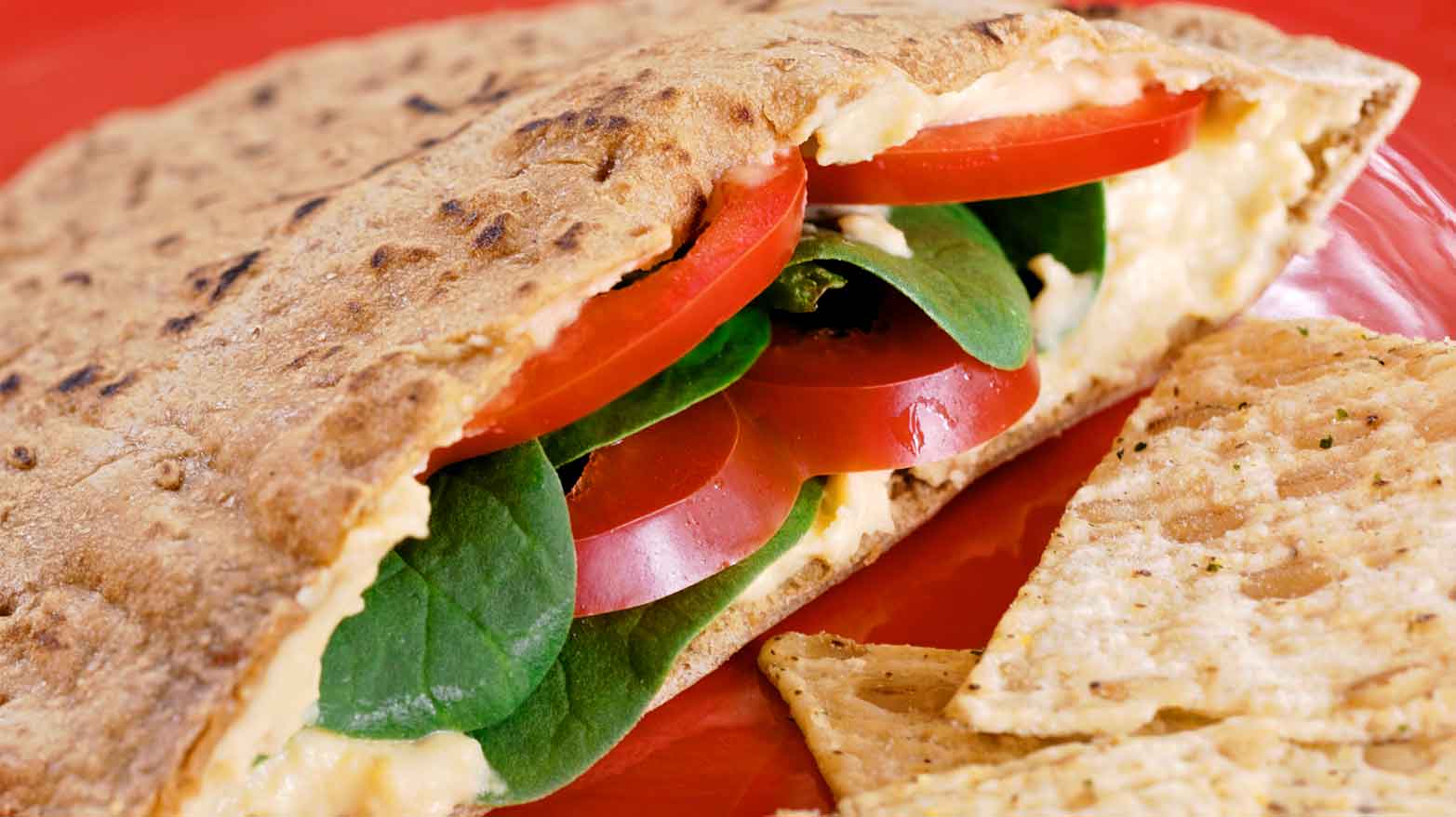
22. Pita pockets and hummus
Ages: 4-8
What they’ll learn: Portion control, healthy eating, color recognition, basic knife skills (with adult supervision)
Having trouble getting your kids to eat their veggies? Making these veggie-stuffed pita pockets with creamy hummus together will make preparing and combining colorful vegetables fun! Include veggies like:
- Carrots
- Cucumbers
- Bell peppers
- Salad greens
- Tomatoes
- Sprouts
How to do it
- Help your kids chop up the veggies.
- Cut the pita bread in half for your little ones and show them how to pull open the pockets.
- Let your kids toss the veggies together in a big bowl with some oil.
- Mix hummus with lemon juice.
- Have the kids stuff their own pita pockets with as many veggies as they want.
- Spread hummus inside each pocket and enjoy.
Tips
- Buy pre-cut pita pockets to skip the first step.
- It may be a good idea to pre-cut the veggies before getting the little ones involved.
- Let the kids toss their own salad mixture by letting them choose the veggies they enjoy.
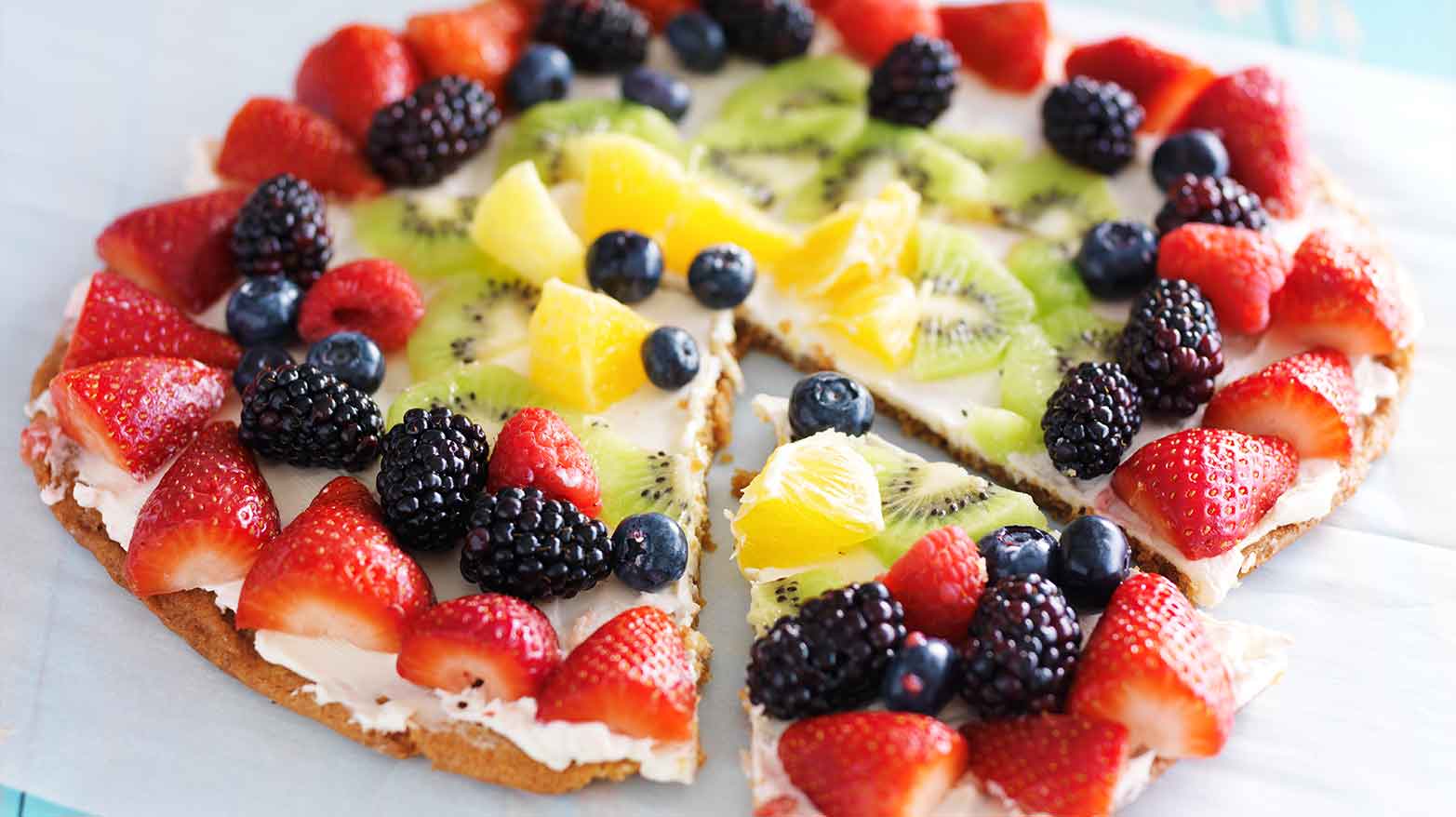
23. Fruit pizza
Ages: 3-7
What they’ll learn: Following a recipe, measuring ingredients, creativity
No kid isn’t going to perk up at the mention of dessert pizza. This fun, easy fruit pizza is essentially a giant cookie with cream cheese frosting that you decorate with fruit. You’ll then slice up the “pizza” and serve pieces for the whole family to enjoy.
This colorful recipe will let your kids get creative in the kitchen by letting them choose their favorite fruits to create designs. For the toppings, add fruit like:
- Blueberries
- Strawberries
- Kiwi
- Mango
- Pineapple
- Orange slices
- Grapes
Among cooking activities for kindergarteners and younger, this one is bound to get everyone excited to participate.
How to do it
- To make the cookie crust, roll out sugar cookie dough into a circle and place on a greased pizza pan. Then bake in the oven.
- Mix together cream cheese, sugar and vanilla to make a cream cheese frosting.
- Once the cookie crust is cooked and cooled, spread the frosting on top. The kids can use plastic or child-safe knives.
- Place the fresh fruit on top of the cream cheese.
Tips
- If you don’t want to make a full pizza, you can also make mini versions for individual, cookie-sized portions. For even more fun, use cookie cutters to shape the cookie crust into cute shapes.
- Choose fruit pairings for specific holidays. For example, for the Fourth of July, use strawberries and blueberries to make a red, white and blue design.
- Make a game out of it and give out points for the most creative design!
24. Macaroni pasta salad
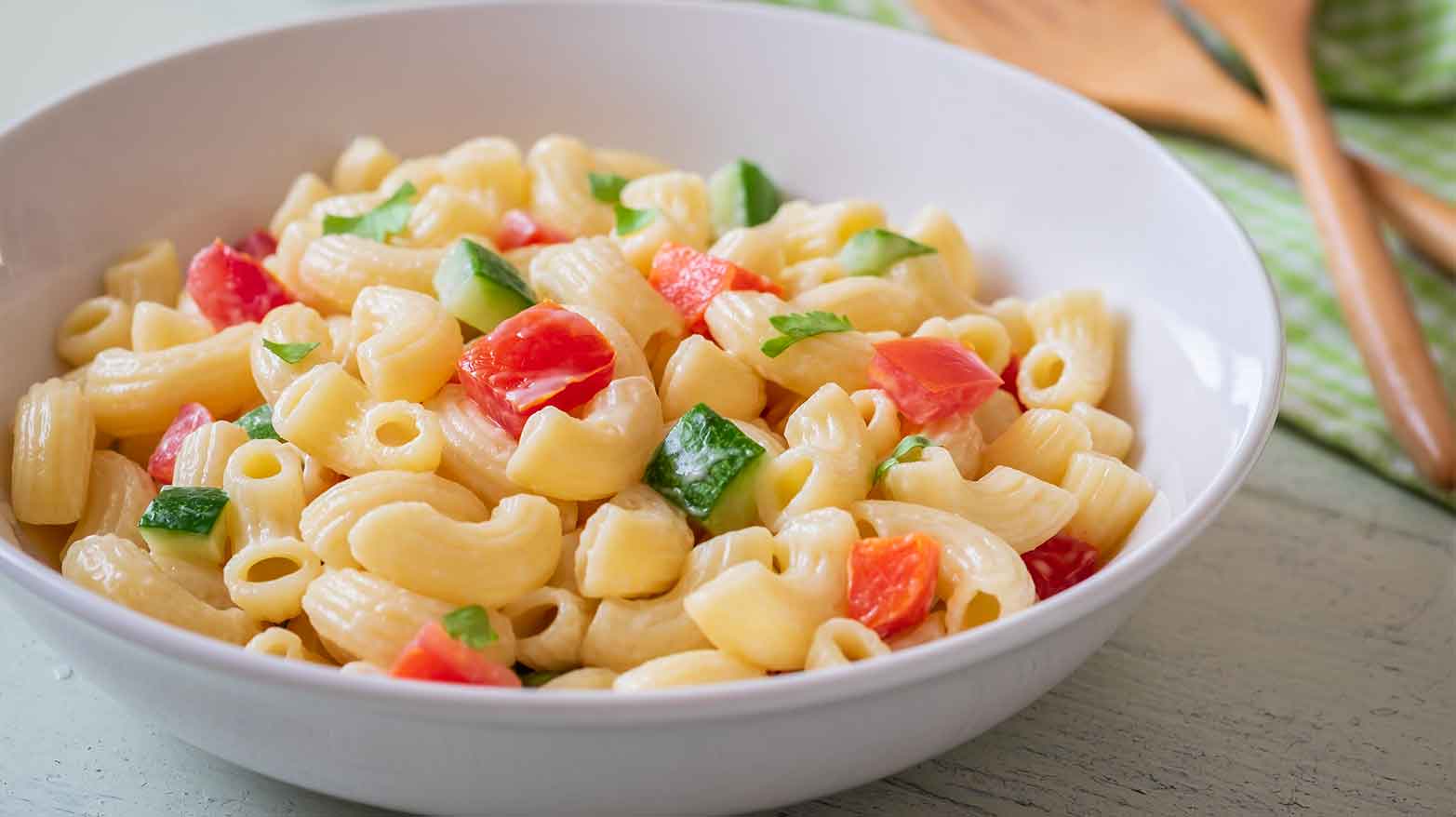
Ages: 5-11
What they’ll learn: Knife skills (with adult supervision), measuring ingredients
Light, crunchy and creamy, this macaroni pasta salad is so easy that most of it just involves mixing. That’s why it’s a great choice to get the kids involved. Younger kids can have fun stirring up the ingredients, while older kids, with your help, can practice cutting vegetables and measuring out ingredients for the dressing.
How to do it
- Help your kids cook the macaroni according to the package instructions. Make sure to supervise around boiling water.
- Let the younger kids mix together the dressing with mayonnaise, vinegar, mustard, salt, sugar and pepper. Older kids can use this step to practice measuring out ingredients.
- Add cooked macaroni, celery, bell peppers and onion to the dressing. Older kids can use this time to carefully practice knife skills under your supervision. With younger kids, just chop the veggies for them and let them add them to the mixture.
- Stir up with the dressing and enjoy!
Tips
- Prep chopped veggies beforehand for younger kids.
- Add any other crunchy vegetables, like cucumbers or radishes, that you have in the fridge.
25. Veggie roll-ups
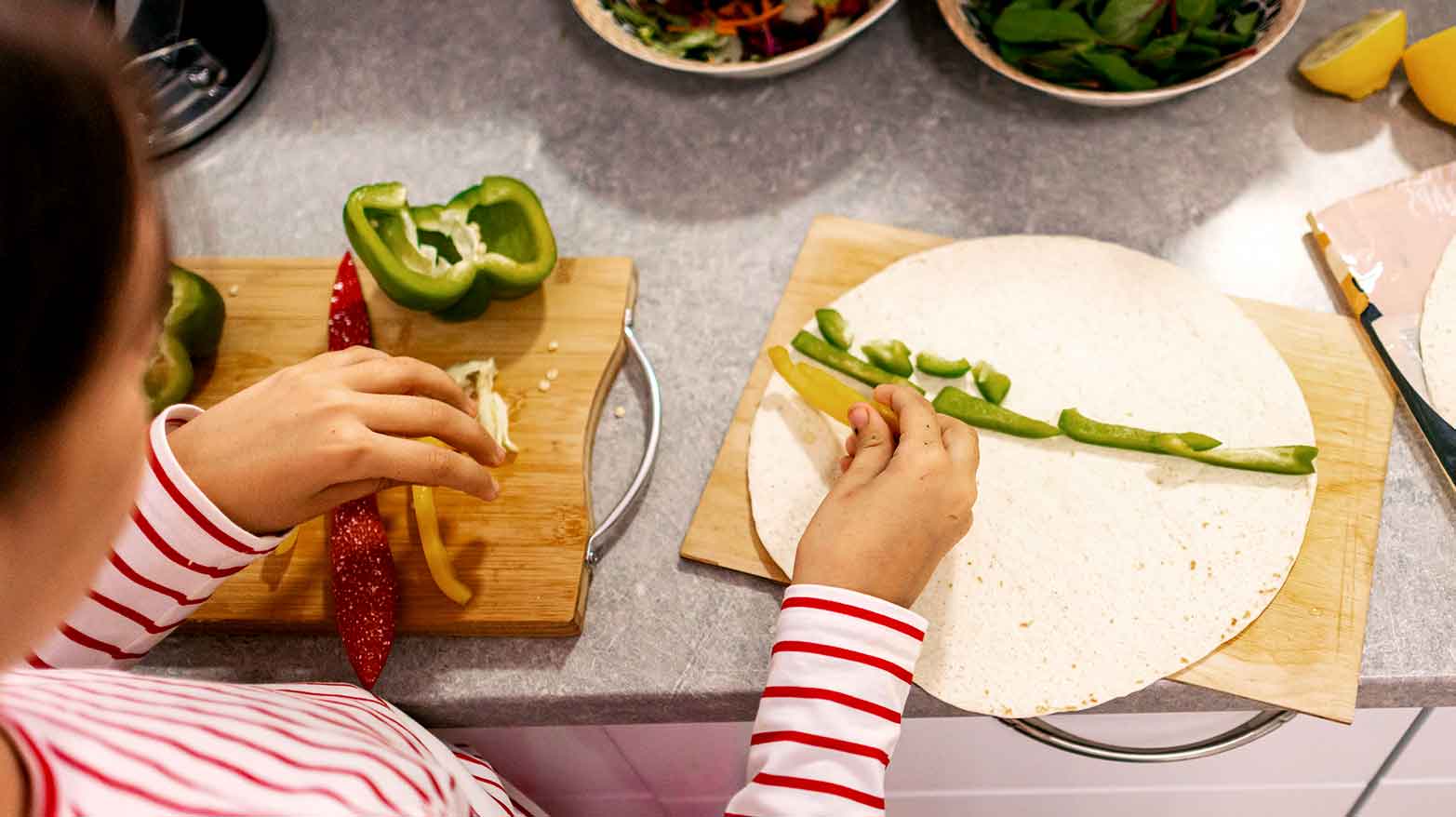
Ages: 4-10
What they’ll learn: Fine motor skills, creativity, knife skills (with adult supervision), teamwork
Veggie roll-ups, or pinwheels, are an excellent, hands-on recipe for kids. They require minimal preparation and no cooking, and are quick to make — perfect for kids who easily get distracted.
Plus, they’re chock-full of nutritious veggies like:
- Baby spinach
- Carrots
- Bell peppers
- Red onion
- Cucumber
- Lettuce
- Sprouts
How to do it
- Have the kids spread cream cheese evenly over tortillas. Younger children can use plastic knives.
- Let the kids place the vegetables over the cream cheese on each tortilla. Each can be in charge of their own tortilla and make a fun pattern.
- Guide any kids who are still learning fine motor control to tightly roll up each tortilla.
- Help slice the tortillas into 1-inch pieces and enjoy.
Tips
- Keep roll-ups fresh in the fridge for up to two days.
- These are perfect for packing school lunches and serving up at birthday parties.
- Use pre-cut veggies for younger children.
26. Walking tacos
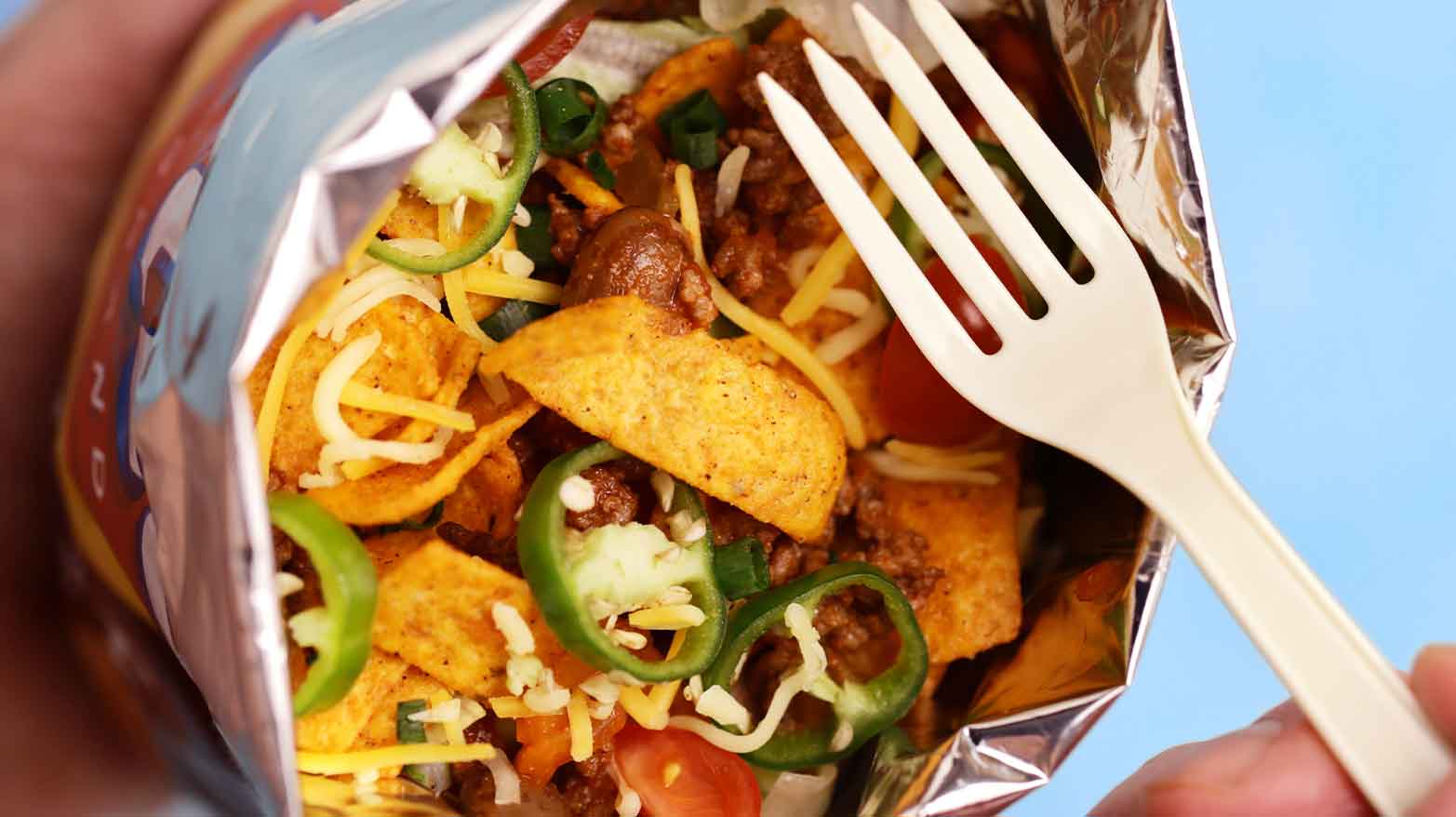
Ages: 4-8
What they’ll learn: Fine motor skills, heat safety
This recipe for walking tacos makes cleanup easy — you eat them straight out of a chip bag with a fork. You’ll need to help kids cook and season the ground beef, but after that, it’s all theirs. They crush chips, stir in the beef and preferred toppings and then eat them right out of the bag.
Possible toppings include:
- Lettuce
- Tomatoes
- Cheese
- Salsa
- Sour cream
- Onions
This fun recipe is minimal on cleanup and super customizable. You can even change up the type of chips you use, from regular tortilla chips to flavored chips.
How to do it
- Help kids cook ground beef in a skillet with taco seasoning. Be extra careful around heat.
- Let the kids take a single-serving chip bag and gently crush up the chips inside.
- Have kids open the bags and pour in ground beef and toppings.
- The kids can then mix it all up with a fork and eat straight out of the bag.
Tips
- Make sure kids are gentle when crushing the chips to avoid popping the bags.
- Cook the ground beef ahead of time for younger kids.
27. Gingerbread overnight oats with apples
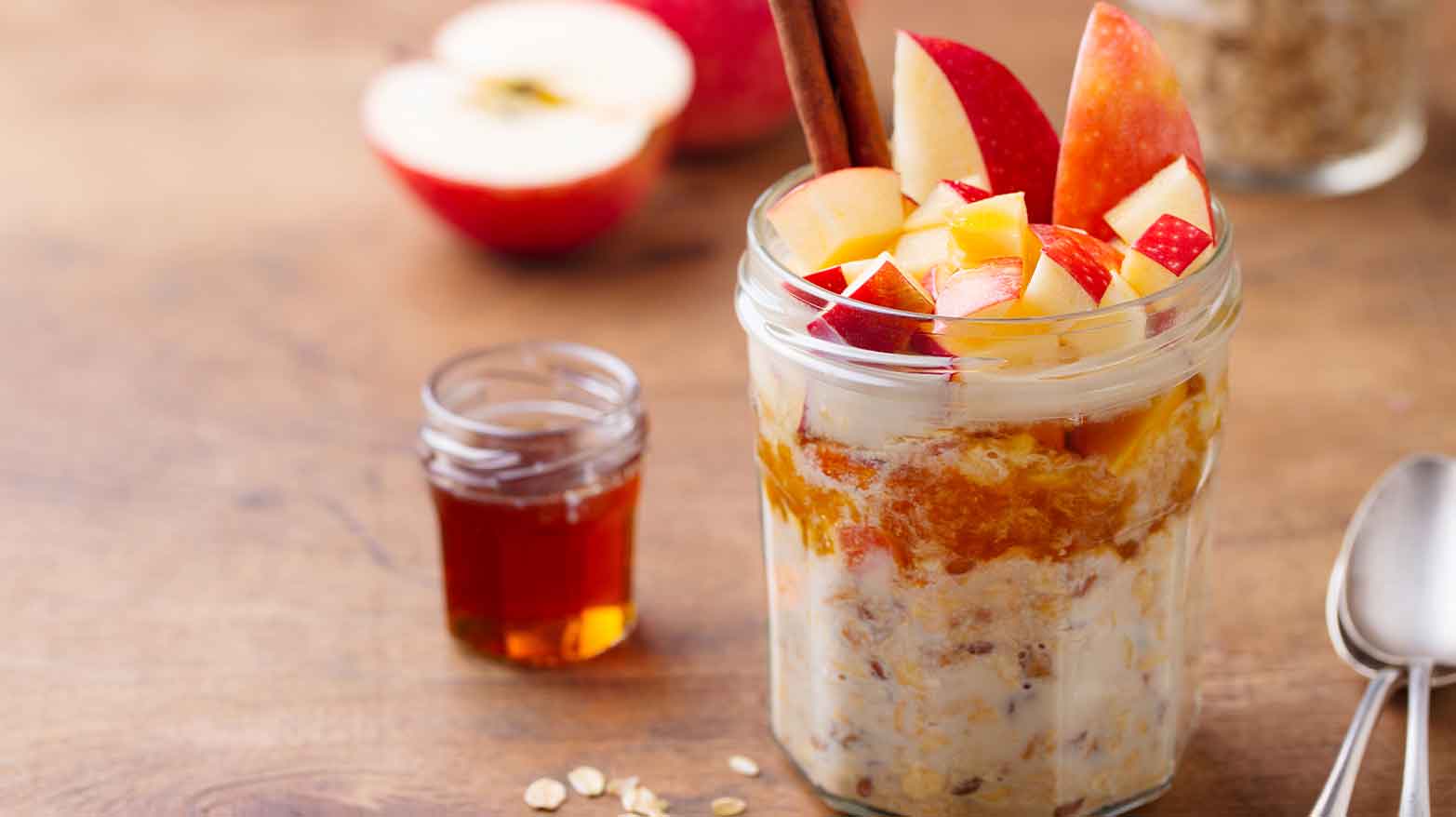
Ages: 5-10
What they’ll learn: Patience, healthy eating, measuring ingredients
Think meal-prepping oats is solely for adults? Think again! Overnight oats also make for awesome no-bake cooking activities for kids. These gingerbread overnight oats are not only delicious but also a great way to teach kids about planning ahead. Show them how simply combining a few ingredients with oats in a jar the night before saves time and yields a yummy breakfast the next morning.
They’re also customizable, so you can let your kids experiment with flavors and choose their own toppings.
Toppings you can try out include:
- Caramelized apples
- Blueberries
- Blackberries
- Crumbled gingerbread cookies
- Nuts
- Coconut
- Greek yogurt
How to do it
- In a jar, combine the oats, almond milk, molasses, ginger and cinnamon.
- Let the kids stir up the mixture.
- Put on the lid and refrigerate overnight.
- The next morning, let the kids customize their oatmeal by offering toppings like apple slices, gingerbread cookie crumbles and nuts.
Tips
- To add some sweetness, caramelize the apples the next morning by adding apple slices to a pan with melted butter and brown sugar. You’ll need to take care of this or closely supervise any kids around the hot pan.
- Pre-slice the apples for younger kids.
28. Homemade granola bars
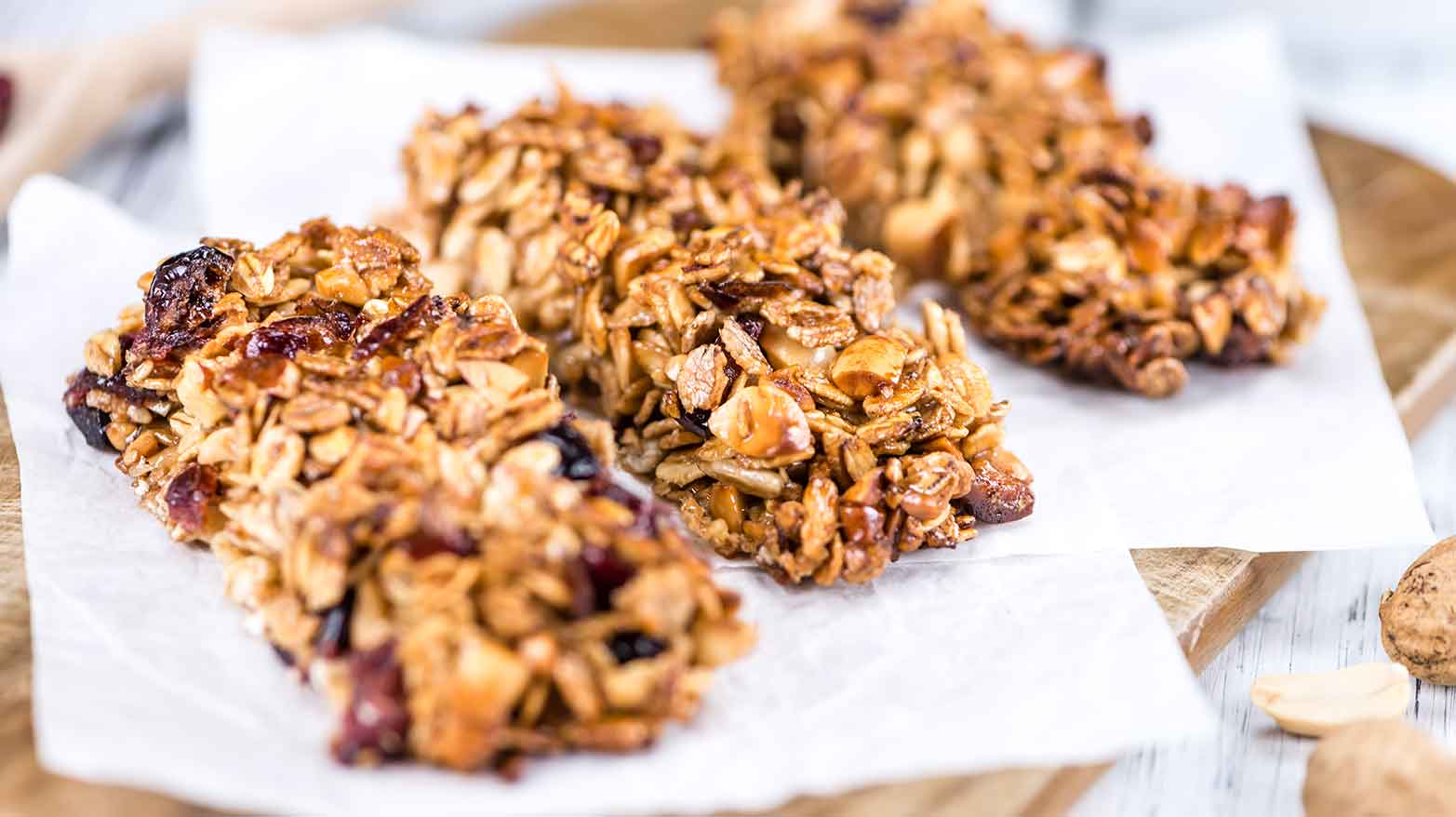
Ages: 5-10
What they’ll learn: Healthy eating, following a recipe, measuring ingredients
Homemade granola bars are healthy, nourishing and easy to customize based on your preferences. Get the kids involved to teach them to follow a recipe and feel a sense of accomplishment once they enjoy their tasty snack the next day. They’ll also get experience with cups, teaspoons and tablespoons by learning to measure out the oats, honey, nuts and seeds.
You can use any nuts and seeds you like, but here are some suggestions:
- Chopped almonds
- Flax seeds
- Sunflower seeds
Dried fruits you can use include:
- Cherries
- Apricots
- Cranberries
- Raisins
How to do it
- Let the kids combine oats and chocolate chips with nuts, seeds and dried fruit.
- Help them heat the vanilla and honey in a saucepan. Once they are liquid, carefully pour them over the dry ingredients.
- Once the liquid is cooled, spread the mixture onto a baking tray. The kids can press down on the mixture to create an evenly spread layer.
- Bake, let cool and help the kids carefully cut the mixture into bars.
Tips
- Line the baking tray with parchment paper for easy cleanup.
- Let the kids choose their desired seeds and dried fruit to make the bars more customizable.
29. Fruit and pretzel animals
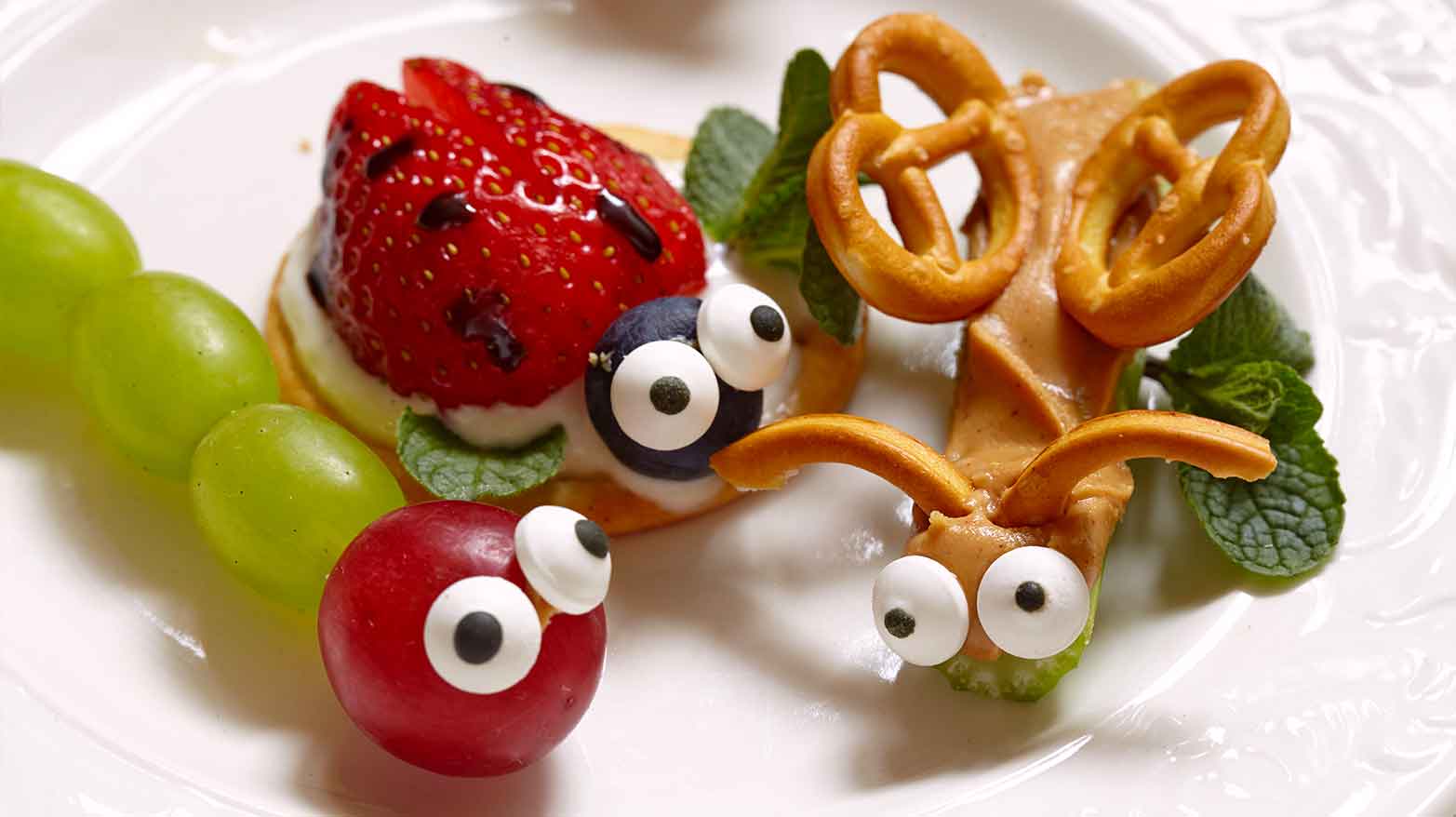
Ages: 3-7
What they’ll learn: Creativity, teamwork, fine motor skills
Let your kids unleash their creativity in the kitchen with one of the most classic no-bake cooking activities for preschoolers: fruit and pretzel animals. Experiment with poking pretzels into bananas to make spiders, centipedes, penguins, butterflies and more! Don’t mind the mess — just think of it as arts and crafts that you can eat afterwards.
Here are some recommended ingredients for your creations:
- Bananas
- Pears
- Grapes
- Chocolate
- Peanut butter
- Coconut shavings
- Mini marshmallows
- Nuts
How to do it
- Use a soft fruit like a banana or a pear for the body (or make a caterpillar by skewering grapes!). Help your little one cut these up if necessary.
- Help them stick pretzel sticks into the fruit for legs and tails.
- Add nuts, candy, chocolate chips or mini marshmallows for the eyes, nose and ears.
Tips
- Look up pictures of fruit and pretzel animals people have already made online to try and recreate them.
- This makes for one of the best classroom cooking activities to try out as a teacher.
- Get sugar googly eyes to make your animals even sillier!
30. Strawberry French toast roll-ups
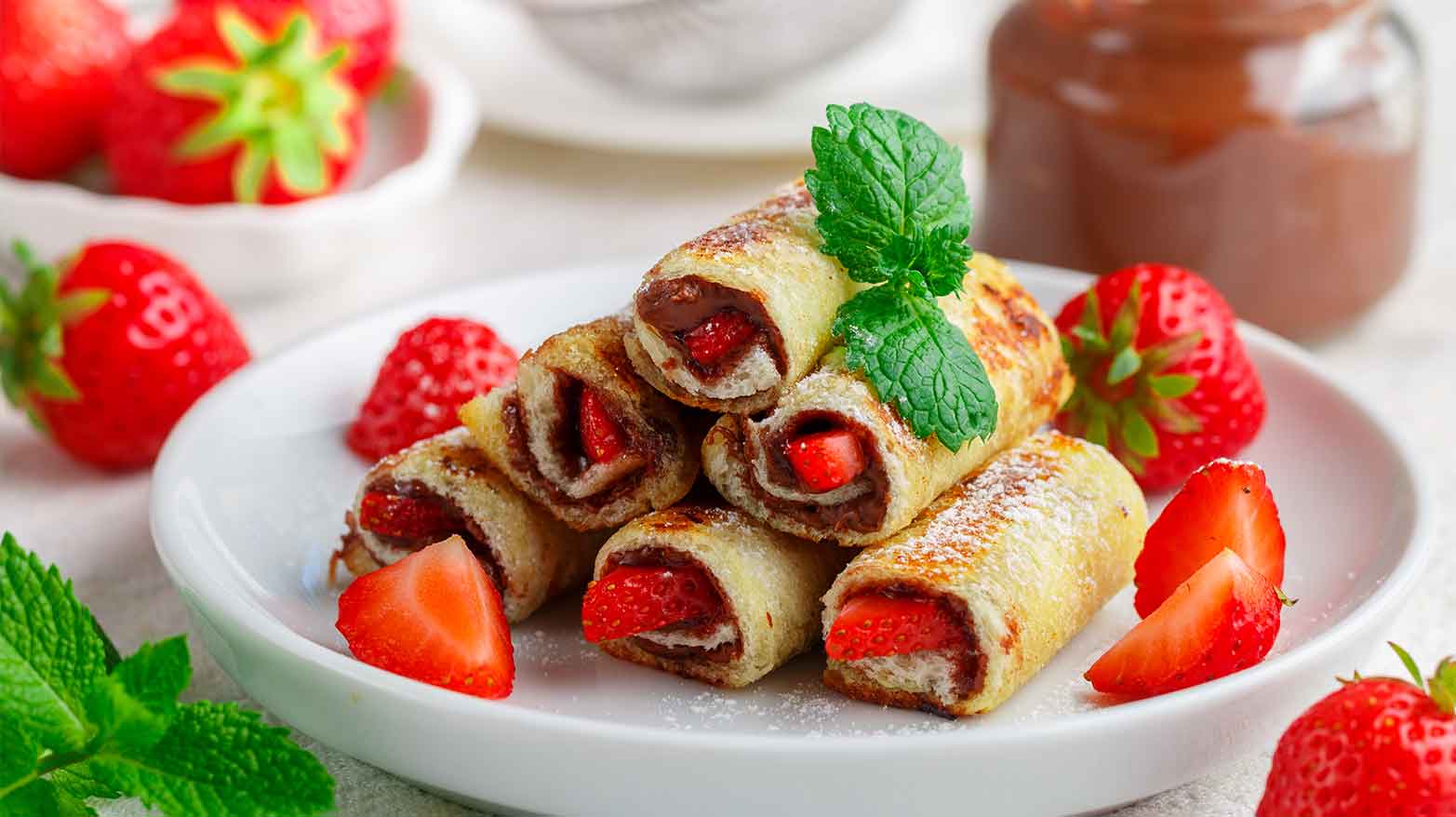
Ages: 6-13
What they’ll learn: Fine motor skills, heat safety, following instructions, teamwork
This slightly more advanced recipe is totally worth making, as it’s great for teaching older kids about heat safety in the kitchen. These strawberry and chocolate hazelnut French toast roll-ups are a twist on classic French toast, resulting in a heavenly snack for breakfast or dessert. Kids will get to roll up the bread, dip it in the outer coating and help you cook it before running to the table to enjoy.
How to do it
- Help your kids trim off the crust from each slice of bread. Let them flatten the bread with a rolling pin.
- Guide them to spread a layer of chocolate hazelnut spread on each slice. Then provide them with diced strawberries to sprinkle on top.
- Help them roll up the bread slices tightly.
- Whisk the eggs and milk together in a shallow dish, and combine the sugar and cinnamon in a separate dish.
- Melt the butter in a large skillet over medium heat — you’ll need to supervise carefully here.
- Help the kids dip each roll-up in the egg mixture and then in the cinnamon-sugar mixture.
- Cook the roll-ups on all sides until golden brown and enjoy with maple syrup.
Tips
- As a slightly more advanced recipe, you may need two adults in the kitchen when making these with multiple kids.
- You can also prepare the egg and cinnamon-sugar mixtures beforehand and just have the kids help dip before you cook the roll-ups.
31. Banana bread
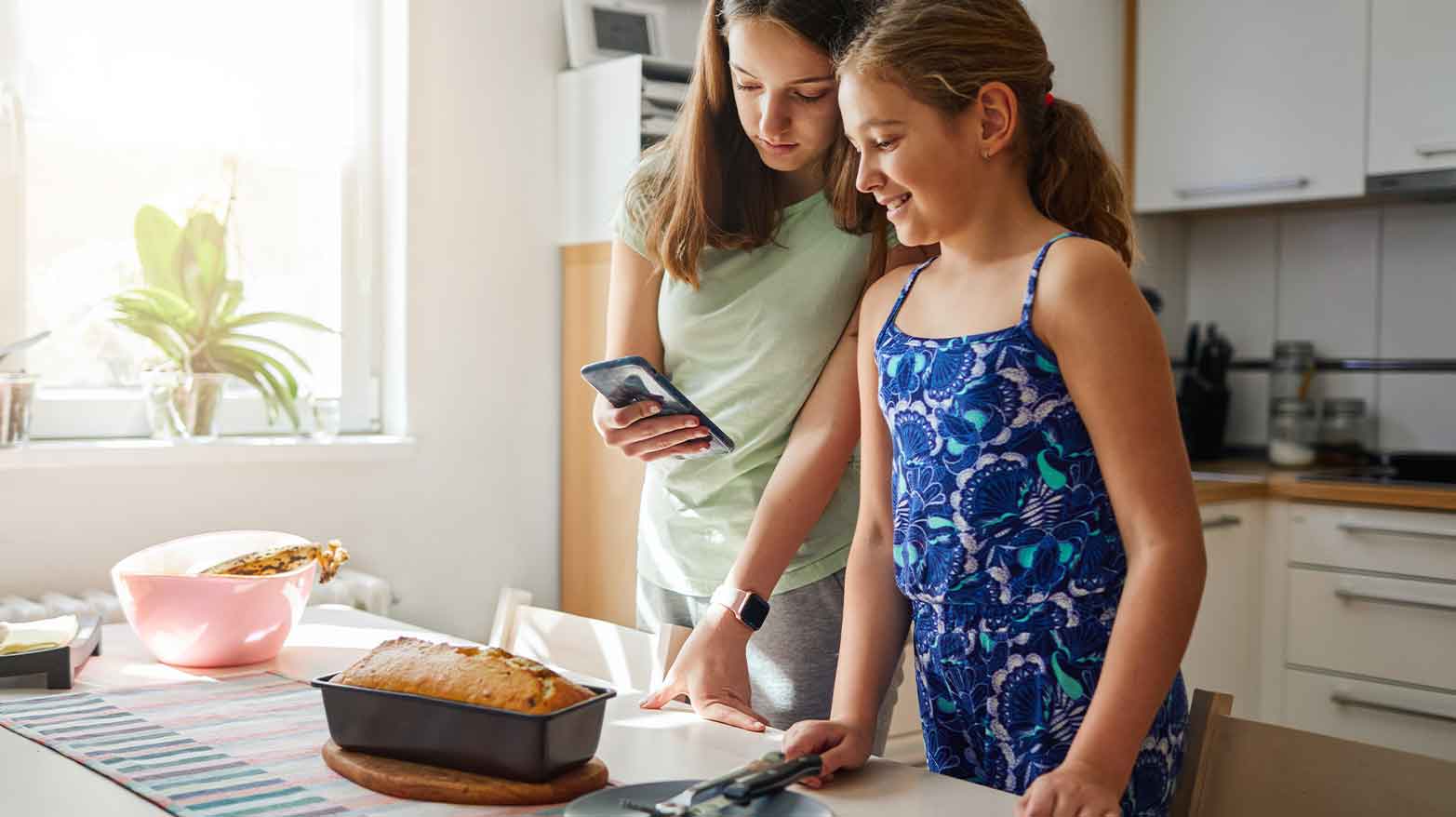
Ages: 4-10
What they’ll learn: Fine motor skills, following instructions, measuring ingredients
Kids will have fun helping mash the bananas and mix the ingredients when making this simple banana bread. This recipe is a sensory-rich, quick activity to do together when you need to use up a few overripe bananas. You won’t even need any baking soda for this one!
You can also let your kids customize their bread with optional ingredients like:
- Chocolate chips
- Chopped walnuts
- Pecans
- Almonds
- Blueberries
- Dried fruit
- Pumpkin spice
- Greek yogurt
How to do it
- Let the kids mash up the bananas and melted butter with a fork or potato masher in a large bowl.
- Help them beat or whisk in the sugar, eggs, vanilla extract and buttermilk.
- Let the kids mix up flour, baking powder and salt in a new bowl.
- Add the dry ingredients to the banana mash with chopped walnuts and let the kids stir it all together.
- Pour the batter into a loaf pan and bake. Let cool and serve with butter.
Tips
- Use a nonstick loaf pan or line it with parchment paper for easy cleanup.
32. Banana ice cream
Ages: 3-7
What they’ll learn: Knife skills (with adult supervision), teamwork, patience, healthy eating
Banana ice cream can be made with just one ingredient (you guessed it — bananas!), but this delicious recipe is boosted by honey, almond milk and vanilla extract. It makes a great treat to help kids cool off when they come in after playing outside on a hot summer day.
Choose from a variety of toppings like:
- Chocolate chips
- Chocolate sauce
- Crushed cookies
- Pretzels
- Strawberries
- Blueberries
- Chia seeds
How to do it
- Let the kids peel and slice the bananas (under supervision), and then leave the bananas in the freezer for two hours.
- Blend the frozen banana chunks in a food processor. You’ll need to operate the blender, but the kids can help you push the buttons.
- Blend again after adding vanilla, honey and milk.
- Help the kids pour the mixture into a new container. Freeze it for four hours or more.
- Enjoy the ice cream in a bowl with your kids’ favorite toppings!
Tips
- Let the kids pick out their favorite toppings at the grocery store to make the recipe more exciting and customizable.
- Mix in a spoonful of peanut butter or chocolate hazelnut spread to add more nuttiness, sweetness and flavor.
33. Frozen banana pops

Ages: 3-6
What they’ll learn: Fine motor skills, patience, teamwork
Frozen banana pops are simple, kid-friendly and easy to customize. You can dip the banana in chocolate sauce and/or roll the banana in your favorite cereal or nuts. Kids will love dipping the banana pops in their favorite toppings, such as:
- Chopped peanuts
- Cereal
- Chocolate chips
- Sprinkles
Banana pops make for an excellent summer treat and an engaging activity for your young ones. All you need is a little patience as the pops sit in the freezer for a few hours.
How to do it
- Let the kids peel and cut bananas in half (under supervision). Have them stick a popsicle stick into each banana half and freeze them for at least an hour.
- Melt some chocolate chips in the microwave with coconut oil.
- Let the kids dip the banana pops into the warm chocolate. Then, they can drip or roll them in their chosen toppings.
- Freeze the banana pops again for at least an hour, and then enjoy!
Tips
- You can swap out the chocolate for Greek yogurt if you like.
- Use small cups instead of large bowls to help your kids dip the pops into the chocolate and toppings more easily.
Tips for cooking with kids and toddlers
Cooking with your kids is a great opportunity to teach them valuable life skills and have fun together. But as we all know, young ones, especially toddlers, have short attention spans and can get easily frustrated. Here are some tips to help things go smoothly:
- Prepare ahead of time: You may need to pre-measure ingredients for younger children and have them ready to mix. Chop onions, preheat the oven and cook meat to put in tacos ahead of time. Have all your needed tools ready to go so you don’t have to stop the fun to find something.
- Focus on safety: Closely supervise kids in the kitchen whenever heat or sharp knives are involved. Kid-friendly knives are great options for teaching children to cut soft foods. Butter knives and plastic knives are other options.
- Assign tasks: Help children learn responsibility and take pride in their culinary creations by assigning them tasks and letting them build confidence. Mixing, stirring and mashing are all engaging and non-frustrating tasks for toddlers.
- Talk through each step: Make it a learning opportunity and talk through the "why" behind each step as you go. Count and measure ingredients aloud and read through the recipe together.
- Encourage experimentation and creativity: Give kids agency by letting them make choices, like what toppings to add to a pizza or what color icing to pipe onto cupcakes. Once they've made their culinary creation, encourage them to give it a name.
- Clean up together. Take the opportunity to teach food safety and hygienic practices. Demonstrate hand washing before and after handling raw meats, for example. Make dishwashing a collaborative effort.
It’s never too early to get cookin’ with Instacart
Whether you’re a teacher building a cooking activity lesson plan or a parent looking for something new for your kids to try, these activities will help get things started. Cooking with your kids can be a rewarding and enriching experience, but it doesn't have to be stressful. With a little planning and these fun cooking activities for kids, you can turn your kitchen into a culinary playground.
Ready to whip up some kitchen magic with your kids? Instacart can help! No more scrambling around the grocery store with energetic little helpers in tow — Instacart saves you time and keeps the fun in the kitchen. Shop for all your recipe ingredients with ease and have them delivered right to your door.

Cady Cohen
Author
Cady Cohen is a culinary writer at Instacart who empowers home cooks to navigate the exciting world of food with confidence. She has worked in digital media for over seven years covering food, health, and wellness. From handy conversion charts and recipe calculators to in-depth cooking guides, Cady's work makes grocery shopping a breeze and empowers you to make informed choices about what you put on your plate.

Heather Matley
Editor
Heather Matley is an editor at Instacart whose passion for food and cooking has inspired her work on everything from grocery guides to recipe development. With over eight years of experience in editing, content creation, and search engine optimization, she strives to empower readers with the most effective tools, guides, and ideas to transform their home cooking.

Instacart Recommends
View most recent posts →