7 Best Oils for Frying and How To Use Them

Creating mouthwatering fried dishes boils down to the oil you use. Certain types of cooking oil not only cook your food to perfection but also enhance the flavors. Whether you’re whipping up chicken wings on game day or making a batch of onion rings to complement your dinner, it’s important to choose the right oil.
Different oils have different smoke points and flavors. The smoke point is the temperature at which the oil starts to smoke and break down — it’s best to pick an oil with a higher smoke point so you can use high temperatures. Here’s a closer look at the best oils for frying and how to use them.
1. Vegetable oil
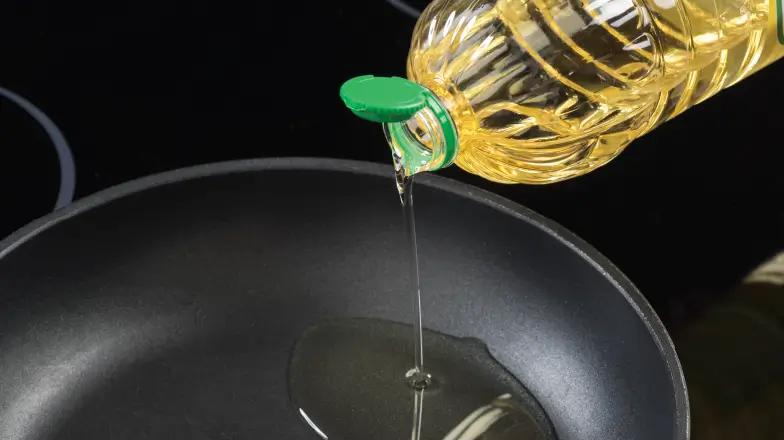
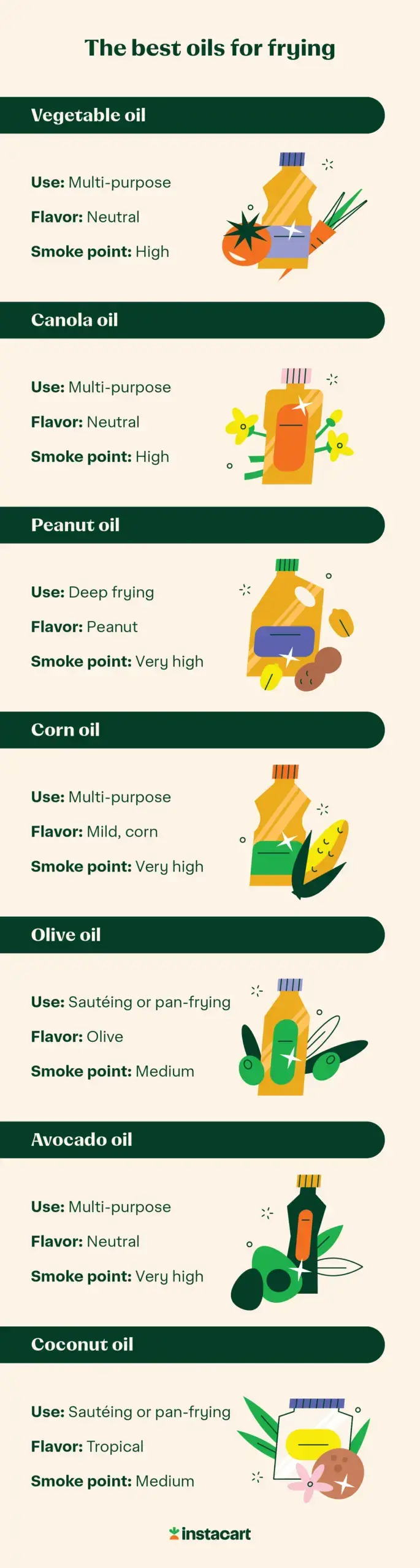
Think of vegetable oil as a multi-purpose oil — this type of oil is a blend of different plant-based oils, including sunflower and soybean. Vegetable oil has a neutral flavor, which is why it’s one of the best oils for frying. Use vegetable oil for frying breaded chicken for date night, homemade french fries for Sunday dinner and much more. Its high smoke point allows it to withstand high temperatures before burning.
Smoke point: 400°F
Best for: Any type of frying
2. Canola oil
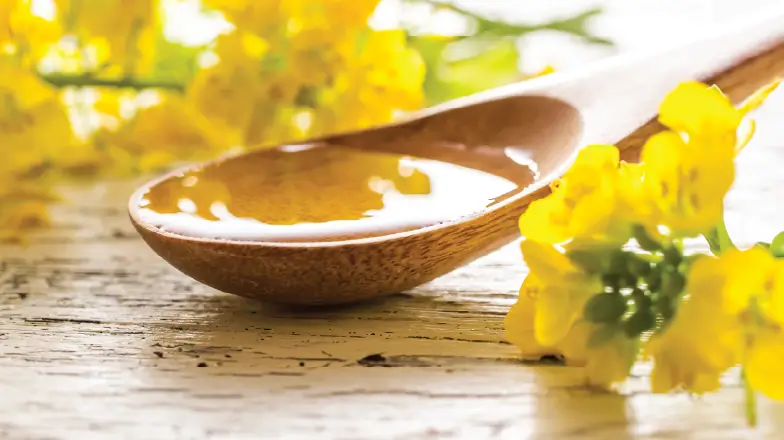
Canola oil is another great option if you’re looking for a neutral-flavored oil for frying. You can use canola oil for any type of frying, whether you’re making hashbrowns or fried cod. Canola oil also works fine for deep-frying because of its high smoke point.
Smoke point: 400°F
Best for: Any type of frying
3. Peanut oil

Peanut oil is a great type of cooking oil for frying due to its high smoke point. In fact, it’s often a preferred oil for deep-frying. Keep in mind that peanut oil has a slightly distinct flavor of nuts. Also, make sure to be careful using peanut oil in case people have allergies. Peanut oil is a popular choice for fried chicken or french fries.
Smoke point: 450°F
Best for: Deep-frying
4. Corn oil
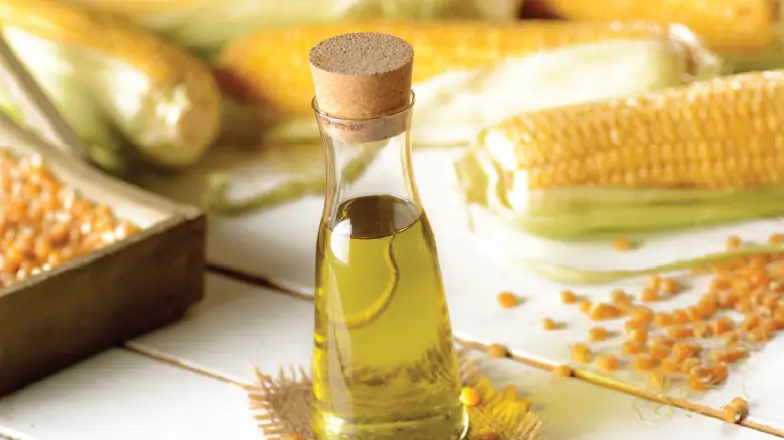
Corn oil is one of the best oils for frying because of its high smoke point. This type of vegetable oil can be used for any type of frying. Corn oil has a mild but neutral flavor and shouldn’t impact the flavor of your dishes.
Smoke point: 450°F
Best for: Any type of frying
5. Olive oil
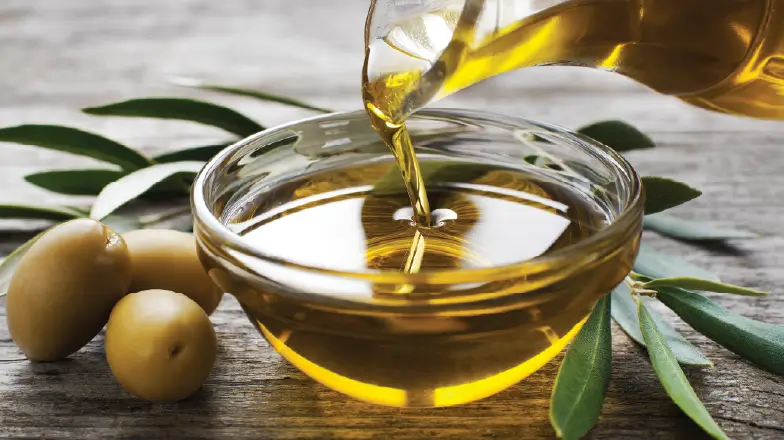
Olive oil is one of the most commonly found ingredients in a kitchen. This is a go-to oil for frying simply because of its convenience, but the processing of the olive oil matters — a refined or light olive oil works best for frying. Olive oil has a lower smoke point than other types of cooking oil, but it can still get the job done if you’re cooking vegetables or pan-frying cuts of steak and other meat. It’s also important to know that olive oil has a distinct flavor and can alter the flavor of your dish.
Smoke point: 375°F
Best for: Sauteing or pan-frying
6. Avocado oil
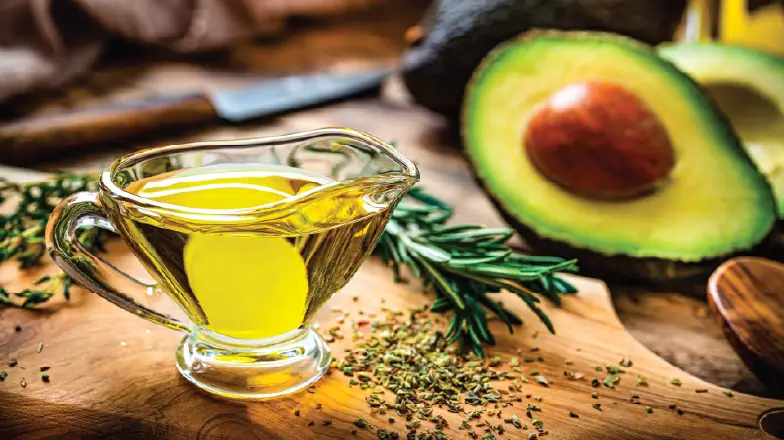
Avocado oil has the highest smoke point, making it one of the best oils for frying. It has a mild, buttery flavor that doesn’t overpower the seasonings or sauces of your dishes. You can use avocado oil for deep-frying, light pan-frying or even sauteing — it’s truly the most versatile type of cooking oil.
Smoke point: 520°F
Best for: Any type of frying
7. Coconut oil
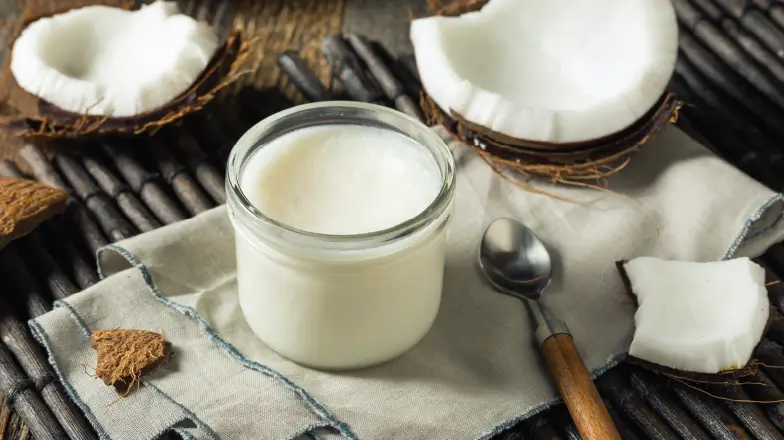
Coconut oil is an alternative option for light pan-frying or sauteing vegetables, but due to its lower smoke point, it isn’t the best oil for deep-frying. It’s also important to note that unrefined coconut oil has a lower smoke point than refined coconut oil — roughly a 50-degree difference. Refined coconut oil also has a more neutral flavor.
Smoke point: 350-400°F
Best for: Sauteing or pan-frying
Grab it now on Instacart


Tips for frying
No one wants to ruin a meal by overcooking it. Here are some tips to fry your food to perfection every time:
- Use the right oil: The first step to frying like a pro starts with choosing the right oil. Since each type of cooking oil has different smoke points and flavors, they can alter your end result. Choose an oil with a higher smoke point for deep-frying and a lower smoke point for standard sauteing or pan-frying.
- Maintain the right temperature: Make sure you’re maintaining the right temperature to ensure your food is cooked evenly. If thetemperature is too low, your food could be greasy or soggy, while a temperature that’s too high could burn your food.
- Use proper tools: Invest in a good deep-fryer, frying pans and cooking tools to set you up for cooking a masterpiece. Make sure to use the right-sized equipment to eliminate overcrowding and uneven cooking.
- Drain excess oil: After you fry your food, make sure to drain excess oil so you don’t end up with a greasy mess. Place your fried food on paper towels to absorb extra oil.
- Monitor the cooking time: Make sure to keep a close eye on your food to prevent under- or overcooking. You can also use a cooking time calculator to ensure you follow the correct times.
Fried food recipes
Unsure how to use these cooking oils? Here are some fried food recipes to try now that you know more about the best oil for frying.
- Pan-fried crab cake
- Southern fried green tomatoes
- Southern chicken-fried steak
- Crispy fried cabbage
- Crispy fried pickles
- Crispy fried shrimp
- Buttermilk fried okra
- Crispy fried zucchini
- Korean fried chicken
- Cinnamon fried apples
- Crispy fried corn
- Crispy fried fish
- Smoky chicken tenders
The hot seat: Best oils for frying
Now that you’re an expert on the best oil for frying, it’s time to get started prepping your meal. Keep in mind the smoke point, the type of food you’re cooking and the flavors of the dish when looking for your perfect oil for frying.
Reduce your prep time by placing an online order today for different types of cooking oil. From canola to avocado oil, you can receive your ingredients without leaving your home.
Need to convert oil to butter but not sure how? Check out our guide to easily convert these ingredients.

Cady Cohen
Author
Cady Cohen is a culinary writer at Instacart who empowers home cooks to navigate the exciting world of food with confidence. She has worked in digital media for over seven years covering food, health, and wellness. From handy conversion charts and recipe calculators to in-depth cooking guides, Cady's work makes grocery shopping a breeze and empowers you to make informed choices about what you put on your plate.

Heather Matley
Editor
Heather Matley is an editor at Instacart whose passion for food and cooking has inspired her work on everything from grocery guides to recipe development. With over eight years of experience in editing, content creation, and search engine optimization, she strives to empower readers with the most effective tools, guides, and ideas to transform their home cooking.